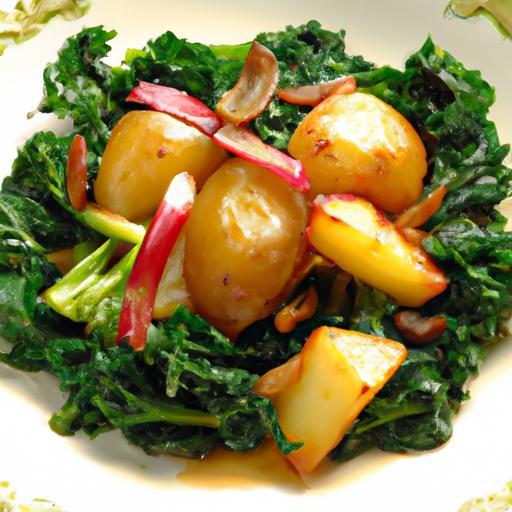

Imagine transforming your meals into vibrant tapestries of color, flavor, and nutrition – all by simply inviting a richer variety of plants to your plate. In a world where processed foods dominate and dietary monotony reigns, the concept of “30 Plants a Week” emerges as a refreshing invitation to rediscover nature’s bounty. This guide is your passport to exploring an abundance of fruits, vegetables, grains, nuts, and herbs that not only delight your palate but also fortify your health. Dive into a delicious adventure where diversity meets wellness, and learn how embracing a wide array of plants can unlock new culinary horizons while nurturing your body from the inside out. Ready to revolutionize the way you eat? Let’s cultivate a week worth of plants, one nourishing bite at a time.
The Power of Plant Diversity in Your Diet: Vibrant Rainbow Grain Bowl
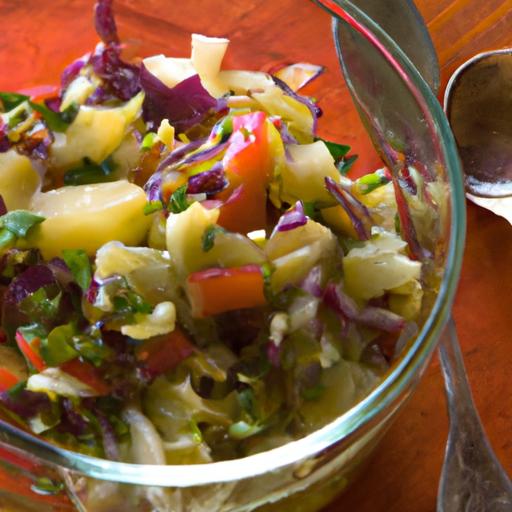
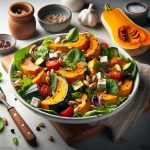
30 Plants a Week: Your Guide to Diverse, Healthy Eats inspires this vibrant rainbow grain bowl, a celebration of seasonal, colorful vegetables and hearty grains that fuel your body with essential nutrients and exciting textures. Born from my travels through Mediterranean farmers’ markets, this bowl embodies how plant diversity not only heightens flavor but also supports sustained energy and gut health.
Prep and Cook Time
Prep: 20 minutes | Cook: 25 minutes | Total: 45 minutes
Yield
Serves 4 generous portions
Difficulty Level
Easy to Medium
Ingredients
- 1 cup quinoa, rinsed and drained
- 2 cups water or low-sodium vegetable broth
- 1 medium sweet potato, diced into ½-inch cubes
- 1 cup shredded purple cabbage
- 1 cup baby spinach, loosely packed
- 1 cup roasted chickpeas (drained if canned)
- ½ cup shredded carrot
- 1 ripe avocado, sliced
- ¼ cup pumpkin seeds, toasted
- 2 tbsp extra virgin olive oil
- 1 tbsp fresh lemon juice
- 1 tsp smoked paprika
- Salt and black pepper, to taste
- Fresh cilantro or parsley for garnish
Instructions
- Cook the quinoa: In a medium saucepan, combine quinoa with water or vegetable broth, bring to a boil, then reduce heat, cover, and simmer for 15 minutes or until fluffy. Remove from heat and let rest covered for 5 minutes.
- Prepare sweet potatoes: Preheat oven to 400°F (200°C). Toss the diced sweet potato with 1 tbsp olive oil, smoked paprika, salt, and pepper. Spread evenly on a baking sheet and roast for 20 minutes, turning halfway through, until tender and lightly caramelized.
- Assemble the base: In a large mixing bowl, fluff the quinoa and let cool slightly. Add shredded purple cabbage, baby spinach, shredded carrot, and roasted chickpeas. Toss gently to combine.
- Make the dressing: Whisk together the remaining 1 tbsp olive oil with fresh lemon juice, salt, and pepper to taste. Drizzle over the quinoa and vegetable mixture, tossing lightly to coat everything evenly.
- Finish the bowl: Divide the quinoa mix into four bowls. Top each bowl with roasted sweet potato, sliced avocado, and toasted pumpkin seeds. Garnish with fresh cilantro or parsley for a burst of herbal aroma and vibrant green color.
Chef’s Notes
This bowl shines with seasonal vegetables-swap sweet potato for roasted beets or butternut squash in colder months. You can replace quinoa with freekeh or brown rice for a different grain profile. For an added protein boost, toss in hemp seeds or a spoonful of tahini in the dressing. Store components separately if prepping ahead, combining just before serving to maintain freshness and texture.
Serving Suggestions
Serve this nutrient-dense bowl warm or chilled, perfect for lunch or dinner. Pair with a crisp glass of sparkling water infused with cucumber and mint or a light herbal tea. Garnish additionally with toasted sesame seeds or a drizzle of your favorite plant-based yogurt for creaminess.

| Nutrient | Per Serving |
|---|---|
| Calories | 380 kcal |
| Protein | 12 g |
| Carbohydrates | 55 g |
| Fat | 12 g |
Discover more creative plant-based recipes in our Plant Powered Recipes collection. For in-depth insights on plant diversity benefits, visit the Harvard T.H. Chan School of Public Health for expert guidance.
Q&A
Q&A: 30 Plants a Week – Your Guide to Diverse, Healthy Eats
Q1: What does “30 plants a week” really mean?
A1: It’s a vibrant challenge to boost your diet by eating 30 different plant foods each week! Think beyond the usual fruits and veggies-grains, nuts, seeds, herbs, spices, legumes, and even edible flowers count. The goal? To flood your plate with nature’s colorful bounty and feed your body a rainbow of nutrients.
Q2: Why aim for 30 different plants? Isn’t variety overrated?
A2: Variety isn’t just fun; it’s fundamental to health. Different plants bring unique fibers, vitamins, minerals, and antioxidants that work together to support your gut microbiome, boost immunity, and may even reduce chronic disease risk. The more diverse your plant intake, the more diverse your gut flora-which means better digestion and overall vitality.
Q3: How do I start incorporating 30 plants into my weekly meals without losing my mind?
A3: Start small and build your plant repertoire over time! Swap in a new veggie each week, sprinkle seeds or nuts on your salads, explore whole grains like quinoa or farro, and experiment with herbs and spices to flavor dishes. Planning meals around plant diversity-think mixed greens, roasted root medleys, or colorful stir-fries-makes it deliciously easy and exciting.
Q4: Are all plant foods created equal when chasing this 30-plant goal?
A4: Not all plants wear the same superpower cape. While all add fiber and nutrients, some pack extra punches-like kale’s vitamin K or turmeric’s anti-inflammatory magic. Including a mix of raw and cooked veggies, leafy greens, legumes, and whole grains ensures you harvest a full garden of benefits.
Q5: What about those with allergies or dietary restrictions? Is 30 still doable?
A5: Absolutely! The plant kingdom is vast. If tree nuts are off-limits, reach for seeds; if gluten is an issue, explore buckwheat or millet. Sensitivities just nudge creativity-lentils, avocado, colorful root veggies, seaweed, and herbs can all be stars on your 30-plant list.
Q6: Can the “30 plants a week” approach really impact my health?
A6: Research suggests a diverse plant-based diet improves digestion, supports healthy weight, boosts energy, and lowers inflammation. It’s a simple, tasty way to nourish your body deeply and tune into nature’s wisdom-one bite, one plant variety at a time.
Q7: Any pro tips for tracking my plant diversity without getting overwhelmed?
A7: Keep a colorful food journal or use apps that log your plant intake. Challenge yourself to try a “new plant of the week” or create themed meals-like Mediterranean night featuring olives, tomatoes, chickpeas, oregano, and artichokes. Make it a joyful exploration rather than a chore!
Embrace the 30-plants-a-week adventure-it’s not just eating; it’s celebrating life’s natural variety on your plate!
Future Outlook
As you embark on your journey toward incorporating 30 plants a week into your meals, remember that diversity is not just a culinary adventure-it’s a vibrant pathway to nourishment and wellness. Each leaf, tuber, seed, and berry carries its own unique benefits, colors, and flavors, inviting you to explore the endless possibilities nature offers. Embrace this guide as your companion in transforming everyday eating into a celebration of health, sustainability, and creativity. With every bite, you’re not only fueling your body but also cultivating a deeper connection to the earth’s bounty. Here’s to a future filled with vibrant plates and thriving well-being-one plant at a time.