
In the quiet folds of a bubbling sourdough starter lies a living, breathing ecosystem-a miniature world where wild yeasts and lactic acid bacteria engage in an ancient alchemy, transforming humble flour and water into the fragrant, tangy foundation of artisan bread. This natural fermentation process, passed down through generations, is far more than culinary tradition; it is a dynamic scientific marvel that blends biology, chemistry, and time. As we peel back the layers of this microbial masterpiece, we unravel the fascinating interplay of nature’s tiniest workers and discover how their delicate dance gives rise to the rich texture, complex flavors, and healthful qualities that make sourdough bread a timeless favorite. Welcome to the science behind sourdough starters: nature’s alchemy at its most delicious.
The Science Behind Sourdough Starters: Nature’s Alchemy
Unlocking the mysteries of sourdough starters reveals a fascinating microbial symphony that transforms flour and water into the foundation of artisanal bread. The Science Behind Sourdough Starters: Nature’s Alchemy guides you through the delicate dance of wild yeasts and lactic acid bacteria, which work harmoniously to create that signature tang and rise you crave. Understanding this natural fermentation process not only deepens your appreciation but empowers you to nurture a starter bursting with vitality and rich flavor.
Prep and Cook Time
- Preparation: 10 minutes (daily maintenance 5 minutes)
- Fermentation: 5-7 days for initial development
- Active Use: Ready to bake after 7 days, ongoing feedings required
Yield
1 healthy sourdough starter culture (approx. 1 cup), sufficient to bake multiple loaves over weeks of maintenance
Difficulty Level
Medium – Requires patience, attention, and understanding of fermentation cues, but immensely rewarding
Ingredients
- 1 cup whole wheat flour, freshly milled preferred for richer nutrition
- 1 cup filtered water, lukewarm (75°F to 80°F is ideal to encourage microbial activity)
- 1/2 cup all-purpose flour, sifted and fresh
- Additional filtered water for feeding and adjusting consistency
Instructions
- Day 1: Initial Mix – In a clean glass jar, combine 1 cup whole wheat flour with 1 cup filtered lukewarm water. Stir vigorously to incorporate air, encouraging wild yeast capture. Cover loosely with a breathable cloth and secure with a rubber band.
- Days 2-3: First Feedings – You may see bubbles forming; discard half the starter and add 1/2 cup all-purpose flour plus 1/2 cup water. Stir well and loosely cover. Repeat every 24 hours.
- Day 4-5: Developing Aroma and Rise – Starter should double in size within 6-8 hours post-feeding. The aroma shifts from grassy to mildly tangy, signaling lactic acid bacteria activation. Feed twice daily if robust activity is observed.
- Day 6-7: Achieving Peak Vitality – Your starter is ready when it doubles predictably, has a pleasant sour aroma, and bubbles coat the sides. Perform the float test: a teaspoon of starter dropped in water should float, indicating good fermentation gases.
- Ongoing Maintenance – For daily baking, feed equal parts starter, all-purpose flour, and water once daily. For less frequent use, refrigerate and feed weekly.
Tips for Success: Troubleshooting and Consistency
- Slow or No Bubbling: Ensure water temperature is warm but not hot; wild yeasts thrive near 75°F. Use unchlorinated water to avoid inhibiting microbes.
- Hooche Layer Formation: A greyish liquid on top signals hunger-discard liquid and feed immediately.
- Off Smells (Rotten or Pinkish Tints): Discard and start anew; contamination or incorrect flour may cause issues.
- Starter Not Rising: Increase feeding frequency or switch flours to whole grain for extra nutrients.
- Maintaining Flavor: Adjust feeding intervals and hydration levels to balance acidity and yeast activity, tailoring flavor depth.
Serving Suggestions
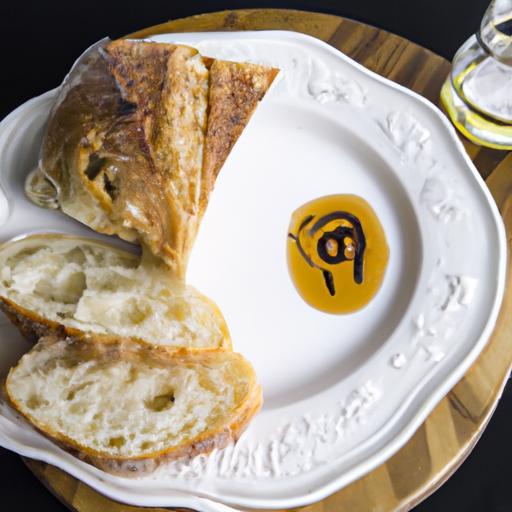
Use your lively starter to create stunning artisan loaves with crispy crusts and open crumb structures. For extra flair, incorporate herbs, nuts, or dried fruits into your dough. Garnish finished bread with a sprinkle of coarse sea salt or a brush of olive oil for gloss. Gift jars of vibrant starter to friends, encouraging a shared exploration of fermentation magic.
| Nutrition per 1 tbsp Starter | Calories | Protein | Carbs | Fat |
|---|---|---|---|---|
| Sourdough Starter | 15 | 0.5g | 3g | 0g |
For further scientific insight, visit the NCBI article on sourdough microbiology. To elevate your bread-making journey, explore our comprehensive guide on artisan sourdough techniques.

Q&A
Q&A: The Science Behind Sourdough Starters: Nature’s Alchemy
Q1: What exactly is a sourdough starter?
A sourdough starter is a living, bubbling community of wild yeast and lactobacilli bacteria cultivated from flour and water. It’s the magical leavening agent that transforms humble dough into tangy, aromatic bread without commercial yeast. Think of it as a natural alchemist’s potion – alive, evolving, and brimming with microscopic power.
Q2: How does this “alchemy” actually work?
The wild yeast ferments the sugars in flour, producing carbon dioxide gas and alcohol. The gas creates bubbles that make the dough rise, while the alcohol and organic acids generated by lactobacilli give sourdough its signature tangy flavor and improve shelf life. It’s a symbiotic dance where microbes collaborate, crafting flavor and texture in perfect harmony.
Q3: Why can’t we just use store-bought yeast?
Store-bought yeast is a single strain, designed to work rapidly and predictably, but it lacks the complexity sourdough starters boast. The diverse wild cultures in a starter deliver a richer flavor profile, nuanced aroma, and a more robust texture. Plus, the fermentation process helps break down gluten and phytates, making sourdough easier to digest and more nutritious.
Q4: Where do the wild yeasts and bacteria come from?
They’re everywhere-in the flour, the air, even on your hands. These microbes hitch a ride into your starter’s mixture, settling in and forming a dynamic ecosystem. The environment you cultivate, including temperature and hydration, shapes which species dominate, giving every starter a unique microbial fingerprint.
Q5: How does one care for a sourdough starter?
Feeding your starter is akin to tending a garden. Regularly refresh it with flour and water to provide fresh nutrients for the microbes. Maintain a consistent temperature to keep activity steady, and breathe gently-it’s a living culture that thrives with balance. Neglect can cause it to weaken or develop off-flavors, but with love and patience, it rewards you with endless baking possibilities.
Q6: Can the science behind sourdough starters help improve my baking?
Absolutely! Understanding fermentation timelines, microbial activity, and acid development empowers you to tweak hydration, fermentation speed, and flavor complexity. Watching the starter bubble, rise, and mature becomes a fascinating experiment-each loaf a delicious testament to the living science you’ve harnessed.
Q7: So, is sourdough baking really nature’s alchemy?
Indeed. It’s a transformation wrought not by fire or magic wand, but by invisible creatures working in concert, turning simple flour and water into a fragrant, tangy loaf that nourishes both body and soul. In every sourdough starter bubbles a tiny laboratory of nature’s oldest chemistry, a culinary alchemy blending biology, chemistry, and art.
The Conclusion
As the fragrant bubbles rise and the tangy aroma fills your kitchen, it’s clear that sourdough starters are more than just a mix of flour and water-they are living, breathing ecosystems shaped by nature’s subtle chemistry and microbial artistry. This alchemical dance between wild yeast and lactic acid bacteria transforms simple ingredients into complex flavors and textures that have delighted humans for millennia. By understanding the science behind sourdough starters, we not only deepen our appreciation for this ancient craft but also unlock new possibilities in baking, culture, and even health. So next time you nurture your bubbling starter, remember: you’re tending to a microbial symphony, a natural marvel that connects us to the timeless rhythms of fermentation and life itself.