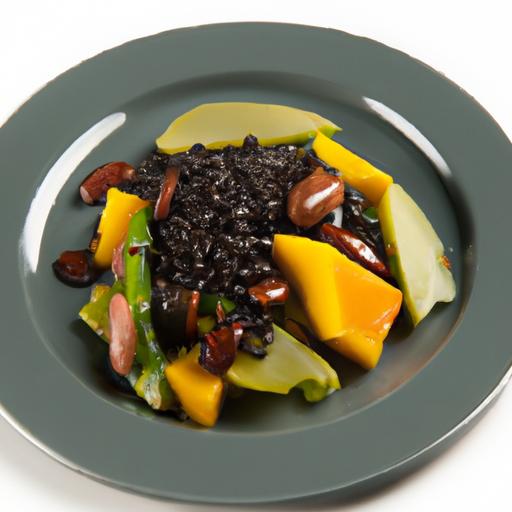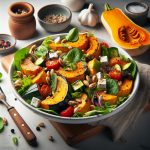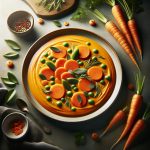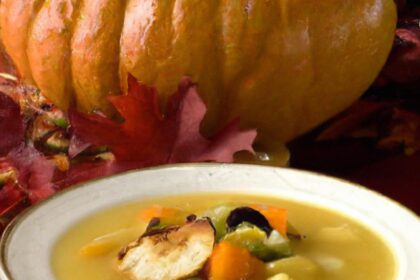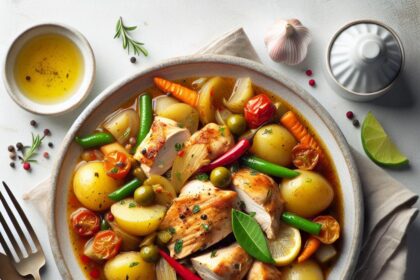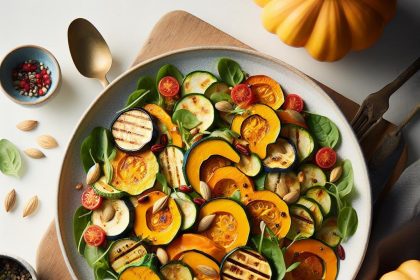

Beneath every meal lies a world teeming with life-your gut microbiome, a bustling community of trillions of microorganisms that play a starring role in your overall health. Nourishing this invisible ecosystem isn’t just about digestion; it’s about fueling your immune system, enhancing mood, and boosting energy. The good news? You don’t need a science degree or exotic ingredients to support this inner universe. With a handful of simple, delicious meals crafted to feed your gut flora, you can transform everyday eating into a powerful act of self-care. Let’s dive into easy, gut-friendly recipes that bring harmony and vitality to your microbiome, one bite at a time.
Nourish your gut with meals crafted to boost microbiome health-these dishes don’t just taste delightful but feed the billions of friendly bacteria essential for your overall wellness. Understanding how certain foods nurture your gut flora transforms eating from mere sustenance into a vibrant daily ritual that supports digestion, immunity, and mood. Drawing from timeless traditions and modern science alike, these easy recipes combine prebiotics and probiotics in a harmony of texture, flavor, and color that invites you to savor every bite with purpose.
Prep and Cook Time
- Preparation: 15 minutes
- Cooking: 10 minutes
- Total Time: 25 minutes
Yield
Serves 4 generous portions
Difficulty Level
Easy
Ingredients
- 1 cup cooked quinoa (rinsed and drained)
- 1 cup sauerkraut (unpasteurized for active probiotics)
- 1 cup roasted chickpeas (see tip below for seasoning)
- ½ cup chopped kale (washed and finely shredded)
- ⅓ cup sliced almonds (lightly toasted)
- 1 medium carrot (peeled and julienned)
- 2 tbsp extra virgin olive oil
- 1 tbsp fresh lemon juice
- 1 tsp minced garlic
- 1 tsp grated ginger
- ¼ cup plain Greek yogurt (full-fat, live cultures)
- 1 tbsp chopped fresh mint (optional, for freshness)
- Salt and freshly ground black pepper (to taste)
Instructions
- Prepare the roasted chickpeas: Preheat oven to 400°F (200°C). Toss drained chickpeas with 1 tablespoon olive oil, a pinch of salt, and smoked paprika if desired. Spread evenly on a baking sheet and roast for 20 minutes, shaking halfway through, until golden and crunchy. Set aside.
- Massage the kale: Place shredded kale in a bowl with a pinch of salt and lemon juice. Massage with your hands for about 2 minutes until the leaves soften and darken in color, releasing their natural sweetness.
- Mix the dressing: In a small bowl, whisk together remaining olive oil, lemon juice, minced garlic, grated ginger, salt, and pepper.
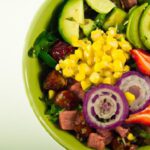
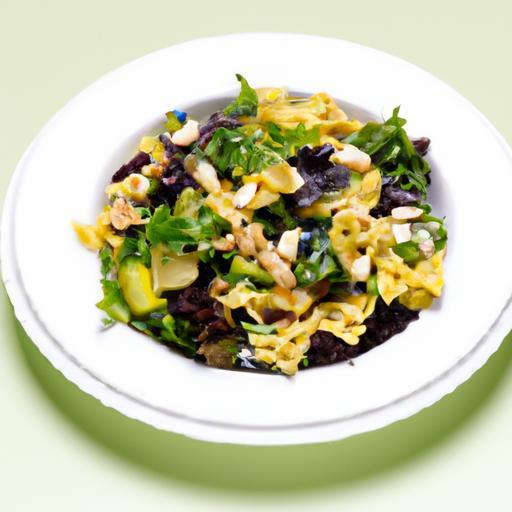
- Assemble the salad: In a large bowl, combine cooked quinoa, massaged kale, julienned carrots, sauerkraut, toasted almonds, and roasted chickpeas.
- Add the dressing: Pour the dressing over the salad and toss gently to coat all ingredients evenly.
- Top with probiotic boost: Garnish with spoonfuls of Greek yogurt and sprinkle chopped fresh mint over the top for a bright finish.
- Serve immediately: For optimal texture and live culture benefits, serve fresh or chilled within an hour. This dish also holds well overnight in the fridge for a vibrant lunch option.
Tips for Success
- Substitutions: If you prefer vegan options, swap Greek yogurt with coconut yogurt containing live cultures to keep the probiotic benefit.
- Flavor Boost: Adding a splash of apple cider vinegar can enhance the tanginess and support digestion.
- Make-Ahead: Roast chickpeas and prepare quinoa up to two days ahead, storing separately for maximum crunch.
- Storage: Keep sauerkraut refrigerated and unpasteurized for the highest probiotic content; avoid heating it to protect live bacteria.
Serving Suggestions
Plate this nourishing bowl over a bed of crisp mixed greens or alongside a lightly grilled piece of wild salmon for omega-3 support. Garnish with a lemon wedge and a sprinkle of toasted sesame seeds for visual appeal and extra texture contrast. Pair it with a refreshing glass of kombucha or kefir to elevate probiotic intake further.

| Nutrient | Amount (per serving) |
|---|---|
| Calories | 320 kcal |
| Protein | 12 g |
| Carbohydrates | 35 g |
| Fat | 13 g |
For further reading on the remarkable connection between your diet and gut health, consider visiting the National Institute of Diabetes and Digestive and Kidney Diseases for reliable insights. To explore more delicious gut-friendly recipes, check out our Prebiotic and Probiotic Balanced Recipes article.
Q&A
Q&A: Nourish Your Gut – Easy Meals to Boost Microbiome Health
Q1: Why should I care about nurturing my gut microbiome?
A1: Think of your gut microbiome as a bustling city of trillions of tiny residents-bacteria, fungi, and other microbes-all working behind the scenes to keep you healthy. When these microbial communities are happy and diverse, they help digest food, produce essential nutrients, support your immune system, and even influence your mood. Feeding them well is like throwing a vibrant street festival that keeps your internal city thriving!
Q2: What kinds of foods are best for gut health?
A2: Your gut microbes love fiber-rich and fermented foods. This means colorful fruits and veggies, whole grains, legumes, and probiotic-packed items like yogurt, kimchi, sauerkraut, and kefir. These foods act as prebiotics and probiotics-prebiotics feed the good bacteria, and probiotics add new friendly microbes to the mix.
Q3: Can you suggest some easy gut-friendly meals?
A3: Absolutely! Here are three simple ideas:
- Breakfast: Overnight oats with chia seeds, topped with berries and a dollop of Greek yogurt. Fiber and probiotics in one delicious bowl!
- Lunch: A colorful chickpea and quinoa salad with fermented pickles and a drizzle of olive oil. Full of plant power and probiotics!
- Dinner: Grilled salmon with a side of roasted Brussels sprouts and a tangy sauerkraut salad. Omega-3s plus fermented goodness.
Q4: How quickly will I notice benefits after improving my diet?
A4: Gut health is a journey, not a race. Many people notice subtle improvements like better digestion, more energy, or improved mood within a couple of weeks, but the true transformation takes consistent care over months. Think of it as planting a garden-you won’t get a harvest overnight, but with patience and nurturing, you’ll cultivate a flourishing microbiome.
Q5: Should I avoid anything to protect my gut?
A5: Certain foods and habits can disrupt your microbiome balance. Excessive sugar, highly processed foods, and overuse of antibiotics can all throw your gut flora off-kilter. It’s also helpful to moderate alcohol and reduce stress, as both can impact gut health. Instead, focus on whole, nutrient-dense foods and mindful eating habits.
Q6: Can gut-friendly eating help with weight management or mood?
A6: Yes! Your gut bacteria play a key role in metabolism and produce neurochemicals like serotonin-the “feel-good” hormone. Eating a gut-nourishing diet can help regulate appetite, reduce inflammation, and improve mental wellbeing. It’s nutrition that supports your body and mind simultaneously.
Q7: Any quick tips for beginners looking to boost their gut health today?
A7: Start simple: add a serving of fermented food daily, swap refined grains for whole grains, and include at least two different veggies in every meal. Drink plenty of water, get moving, and tune into how your body feels. Your gut is your superpower-feed it wisely and watch your health glow from the inside out!
Closing Remarks
As you embark on the delicious journey of nourishing your gut, remember that every bite is a step toward a healthier, happier microbiome. These easy meals aren’t just food-they’re your gut’s best friends, working quietly to boost digestion, immunity, and overall well-being. By embracing simple, gut-friendly ingredients, you’re cultivating a vibrant ecosystem inside, one that supports you from the inside out. So, savor the flavors, experiment with new recipes, and let your meals be a celebration of wellness that truly starts within. Your gut will thank you, bite by nourishing bite.