
In the bustling ecosystem of your digestive tract, a thriving community of microbes tirelessly works to keep you healthy, vibrant, and energized. But like any dynamic neighborhood, these microscopic residents need the right nourishment and support to flourish. Enter the dynamic duo of gut health: prebiotics and probiotics. When paired thoughtfully, they create a symphony of synergy that can transform your digestive wellness, boost immunity, and even elevate your mood. In this article, we’ll unlock the secrets to mastering prebiotic and probiotic pairings-arming you with the knowledge to cultivate a happy, balanced gut that supports your whole-body health from the inside out.
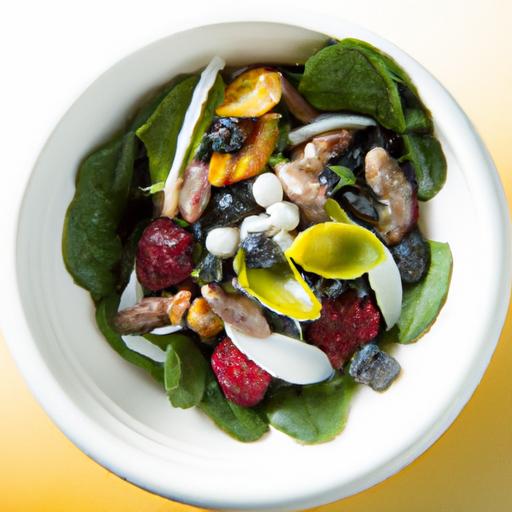
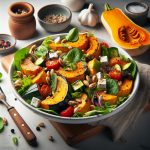
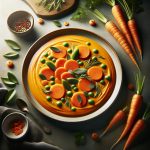
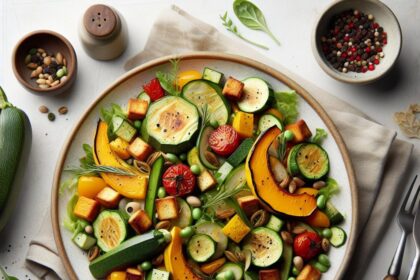
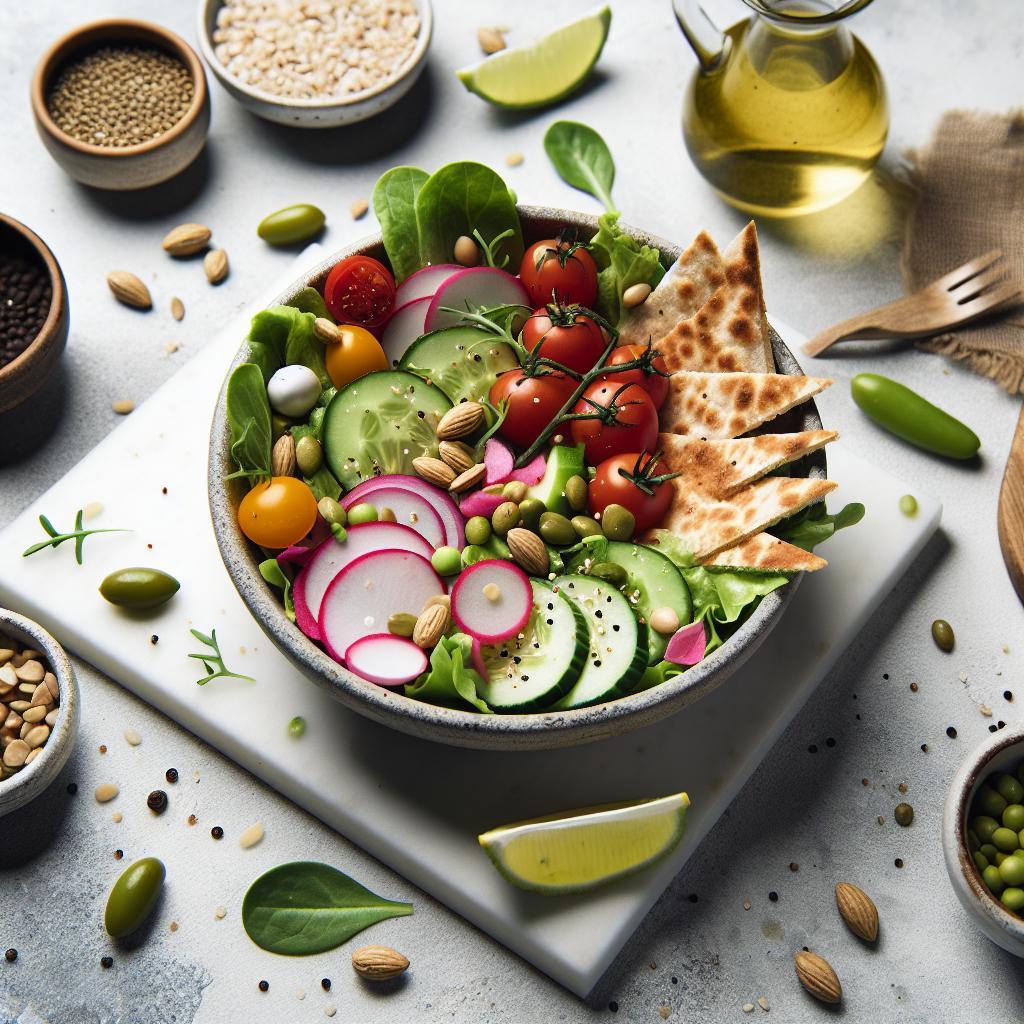
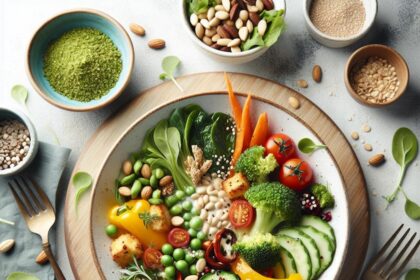
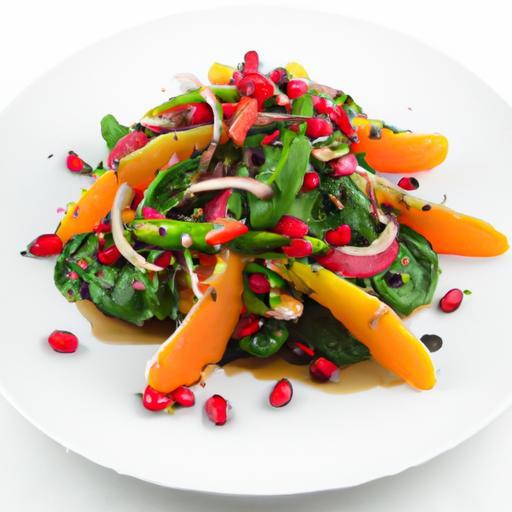
Boost Gut Health: Mastering Prebiotic & Probiotic Pairings opens a flavorful gateway to understanding how your culinary choices can nurture a thriving microbiome. Combining the nourishing power of prebiotic foods with the restorative magic of probiotic strains, this approach elevates gut wellness to a delicious art form. Imagine a vibrant plate brimming with crisp, earthy vegetables and creamy, tangy fermented delights working harmoniously to support digestion, immunity, and overall vitality.
Prep and Cook Time
Preparation: 15 minutes | Cooking: 10 minutes | Total Time: 25 minutes
Yield
Serves 4
Difficulty Level
Easy
Ingredients
- 1 cup cooked chickpeas (a rich prebiotic legume)
- 1 cup sauerkraut (classic probiotic fermented cabbage)
- 1 medium red onion, thinly sliced
- 2 cups kale, washed and chopped (fiber-packed prebiotic)
- 1 small apple, diced (adds natural sweetness and prebiotic fiber)
- 1 tbsp extra virgin olive oil
- 1 tbsp apple cider vinegar (supports probiotic environment)
- 1 garlic clove, minced (potent prebiotic)
- Salt and freshly ground black pepper, to taste
- 2 tbsp plain Greek yogurt (live probiotic cultures)
- Fresh dill for garnish
Instructions
- Sauté the kale and garlic: In a large skillet over medium heat, warm the olive oil. Add minced garlic and sauté until fragrant, about 1 minute. Add chopped kale and cook, stirring frequently, until vibrant and tender, roughly 4-5 minutes.
- Prepare the base: Add cooked chickpeas, diced apple, and thinly sliced onion to the skillet. Toss gently to combine and cook 2-3 minutes more to blend flavors without softening the apple too much.
- Incorporate the probiotics: Remove the skillet from heat. Gently fold in the sauerkraut and Greek yogurt, being careful not to overmix so the probiotics remain active.
- Dress and season: Drizzle with apple cider vinegar and season with salt and black pepper to taste. Toss lightly to distribute the dressing.
- Serve and garnish: Portion into bowls and top each serving with a sprig of fresh dill for an herbal aroma and elevated presentation.
Chef’s Notes
- For a vegan version, substitute Greek yogurt with coconut yogurt that contains live cultures.
- Use chickpeas freshly cooked for a creamier texture or canned for convenience-just rinse well.
- Ensure sauerkraut is raw and unpasteurized to retain its probiotic benefits.
- Make the sautéed base ahead of time and gently fold in probiotics just before serving to preserve their potency.
- Add a sprinkle of toasted pumpkin seeds or walnuts for a satisfying crunch and extra prebiotic fiber.
Serving Suggestions
This vibrant bowl shines as a nutrient-dense lunch or a refreshing side dish alongside grilled fish or roasted chicken. Pair it with a chilled glass of kombucha or kefir to amplify probiotic intake. Garnish with lemon zest or thin cucumber ribbons for a bright, fresh contrast that complements the dish’s earthy and tangy notes.

| Nutrient | Per Serving |
|---|---|
| Calories | 220 kcal |
| Protein | 10 g |
| Carbohydrates | 28 g |
| Fat | 6 g |
For further insights on gut-friendly recipes, see our detailed guide on Fermented Foods for Gut Health. Additionally, the National Center for Biotechnology Information offers excellent research on the interplay between prebiotics and probiotics in promoting intestinal balance.
Q&A
Q&A: Boost Gut Health – Mastering Prebiotic & Probiotic Pairings
Q1: What exactly are prebiotics and probiotics? How do they differ?
A: Think of probiotics as the friendly bacteria-the live microbes that add vitality to your gut microbiome. Prebiotics, on the other hand, are the food for these bacteria-non-digestible fibers that nourish and help probiotics flourish. Together, they create a balanced ecosystem inside your digestive tract.
Q2: Why is pairing prebiotics with probiotics so important for gut health?
A: Pairing is like setting up a match made in microbiome heaven. Probiotics introduce beneficial bacteria, but without prebiotics to feed them, their impact is short-lived. Prebiotics support the growth and activity of these probiotics, enhancing their ability to colonize your gut and improve digestion, immunity, and even mood.
Q3: Can you give an example of a powerful prebiotic-probiotic pairing?
A: Absolutely! A classic combo is yogurt (probiotic-rich) paired with banana (loaded with inulin, a prebiotic fiber). Together, the probiotic bacteria from yogurt feast on the banana’s prebiotic fibers, leading to a thriving gut environment that supports everything from nutrient absorption to reducing inflammation.
Q4: Are there any creative or easy ways to incorporate these pairings into daily meals?
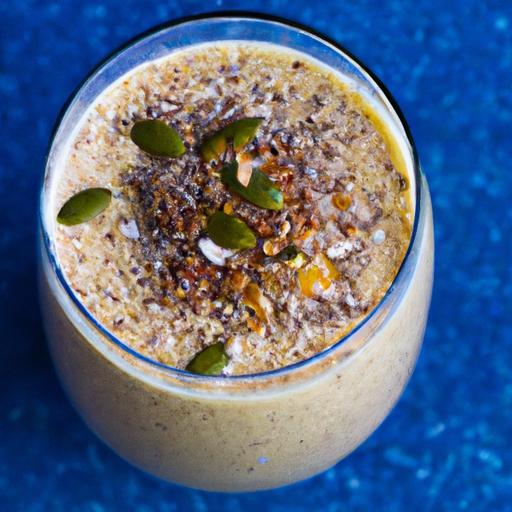
A: Get playful in the kitchen! Try kimchi (probiotics) with roasted garlic (prebiotic), or a kefir smoothie blended with oats. Even a simple green salad topped with sauerkraut and a sprinkle of chia seeds can do wonders. The key is combining fermented foods with fiber-rich ingredients to feed your gut’s good bacteria.
Q5: How soon can you notice benefits from improving your gut health with these pairings?
A: Results vary, but many people report improved digestion, increased energy, and better mood within a few weeks. Long-term commitment ensures a robust and resilient microbiome. Remember, good gut health is a marathon, not a sprint!
Q6: Are there any cautions or tips for beginners diving into prebiotic-probiotic combos?
A: Start slowly! Introducing too much fiber or fermented foods at once can cause bloating or discomfort. Gradually increase your intake and listen to your body. Also, diversify your sources-different probiotics and prebiotics target different bacteria, creating a more diverse and balanced microbiome.
Mastering prebiotic and probiotic pairings unlocks a vibrant gut ecosystem. It’s a delicious science that rewards your body with wellness from the inside out!
In Retrospect
In the journey to vibrant health, your gut is the unsung hero-an intricate ecosystem thriving on balance and harmony. By mastering the art of pairing prebiotics and probiotics, you’re not just feeding your microbiome; you’re cultivating a powerhouse of wellness from within. Remember, it’s not about choosing one over the other but weaving them together in a symbiotic dance that empowers digestion, boosts immunity, and uplifts your overall vitality. So, let your meals be a canvas where fiber-rich plants and beneficial microbes unite, unlocking the secrets to a healthier, happier gut-because when your gut thrives, you do too.