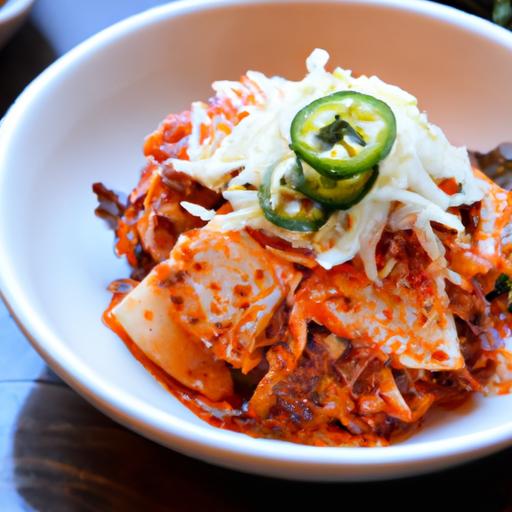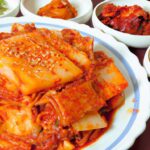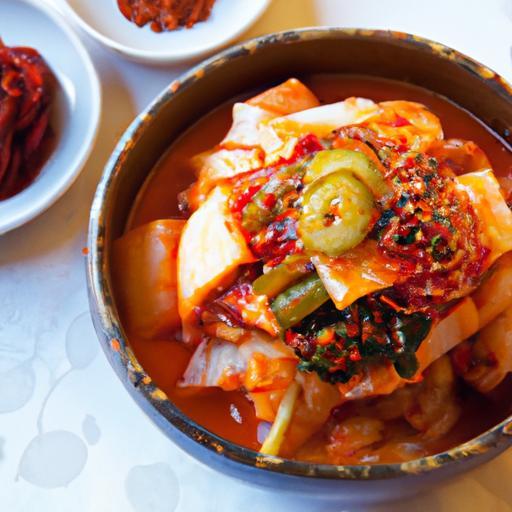

In the vibrant tapestry of Korean cuisine, one dish stands out not just for its bold flavors but for its cultural significance and remarkable health benefits: kimchi. This fiery, fermented delicacy is much more than a spicy side dish-it is a living tradition, a culinary art, and a superfood powerhouse all rolled into one. From its ancient origins steeped in history to the complex dance of fermentation that ignites its signature tang, kimchi captures the essence of Korea’s rich heritage and innovative spirit. Join us as we peel back the layers of this iconic dish, uncovering the science, stories, and sizzling flavors behind Korea’s beloved spicy superfood.
Kimchi, Korea’s iconic spicy fermented superfood, is a vibrant testament to centuries-old culinary artistry that brings both exceptional flavor and remarkable health benefits to the table. From its origins in traditional village gardens to modern kitchens worldwide, kimchi is much more than a side dish-it’s a living cultural heritage and a wellness powerhouse that invigorates the palate with bold layers of umami, heat, and tang.
Prep and Cook Time
Preparation: 30 minutes
Fermentation: 5-7 days (at room temperature) or up to 3 weeks (in the refrigerator)
Yield
Approximately 1 quart (about 4 cups) of kimchi, serving 6-8 as a side dish
Difficulty Level
Medium – Requires time for fermentation but easy to prepare
Ingredients
- 1 medium napa cabbage (about 2 pounds), quartered
- 1/4 cup sea salt (for salting the cabbage)
- 4 cups water (for soaking and rinsing)
- 1 tablespoon grated ginger
- 3 cloves garlic, minced
- 2 teaspoons sugar
- 1 small daikon radish, julienned
- 4 green onions, thinly sliced
- 1/3 cup Korean red chili flakes (gochugaru) – adjust to heat preference
- 3 tablespoons fish sauce (or soy sauce for vegan option)
- 1 small carrot, shredded (optional for color and crunch)
Instructions
- Prepare the cabbage: Cut the napa cabbage lengthwise into quarters and soak in a large bowl filled with water and 1/4 cup sea salt. Toss to evenly distribute the salt, then let it sit for 1.5 to 2 hours, turning every 30 minutes to ensure even wilting. This process softens the cabbage and draws out moisture.
- Rinse and drain: After salting, thoroughly rinse the cabbage quarters under cold running water 2-3 times to remove excess salt. Drain well, allowing the cabbage to rest in a colander while preparing the spice paste.
- Prepare the kimchi paste: In a mixing bowl, combine grated ginger, minced garlic, sugar, gochugaru, fish sauce, and a splash of water to create a thick paste. Adjust the chili flakes for a milder or smokier heat. Stir until the mixture is cohesive and fragrant.
- Mix vegetables: Add the julienned daikon, sliced green onions, and shredded carrot to the spice paste. Use your hands (wear gloves!) to fold the vegetables and paste uniformly, coating every strand with the vibrant red mixture.
- Assemble the kimchi: Spread the paste evenly between each cabbage leaf layer for maximum flavor infusion. Once thoroughly coated, tightly pack the cabbage quarters into a clean glass or ceramic fermentation jar, pressing down firmly to eliminate air pockets.
- Ferment: Seal the container loosely (to allow gases to escape) and leave it at room temperature for 5 to 7 days, checking daily. Once it reaches your preferred sourness, transfer it to the refrigerator to slow the fermentation and enhance flavor complexity.
- Enjoy! Your homemade kimchi is now ready to elevate your meals with authentic Korean zest and probiotic benefits.
Chef’s Notes
- For a vegan-friendly option, substitute fish sauce with soy sauce or miso paste to maintain depth of flavor.
- Use gloves when handling gochugaru and the spice paste to avoid skin irritation.
- If you prefer a faster fermentation, keep the jar in a warmer spot; cooler temperatures will slow the process.
- Store kimchi in an airtight container once fermented to prevent odors in your fridge.
- Feel free to experiment with additional ingredients like oysters, chives, or mustard greens for regional variety.
Serving Suggestions
Kimchi’s bold flavor can complement almost any meal. Serve it as a side with steamed rice and Korean BBQ, mix it into fried rice or noodles, or top a ramen bowl with a spoonful for added heat and texture. Garnish with fresh sesame seeds and thinly sliced green onions for a pop of color. Try it folded into grilled cheese sandwiches or as a vibrant topping on avocado toast for adventurous fusion dishes.

| Nutrient | Per Serving (1/2 cup) |
|---|---|
| Calories | 30 |
| Protein | 2g |
| Carbohydrates | 6g |
| Fat | 0.5g |
| Fiber | 2g |
Unlock the secrets of this spicy fermented superfood and get inspired by the diversity and health benefits that kimchi brings to your plate. For more Korean recipes that celebrate authentic flavors, check out this vibrant Bibimbap guide. Also, dive deeper into kimchi’s nutritional science at the National Institutes of Health (NIH) for authoritative insights.
Q&A
Q&A: Kimchi Uncovered – Korea’s Spicy, Fermented Superfood Explained
Q1: What exactly is kimchi?
A1: Kimchi is Korea’s iconic fermented vegetable dish, bursting with bold flavors that marry tangy, spicy, sour, and savory notes. Traditionally made with napa cabbage and Korean radishes, it’s seasoned with chili pepper flakes, garlic, ginger, and salted seafood or fish sauce, then left to ferment into a probiotic powerhouse.
Q2: Why is kimchi often called a “superfood”?
A2: Beyond its vibrant taste, kimchi is packed with vitamins A, B, and C, rich in fiber, and loaded with good-for-you probiotics. These live bacteria promote gut health, bolster the immune system, and even aid digestion. The fermentation process amplifies nutritional benefits, transforming humble vegetables into a nutritional dynamo.
Q3: How long has kimchi been around?
A3: Kimchi’s roots dig deep-over 2,000 years! Early variations were simple salted vegetables preserved to last through harsh Korean winters. The fiery chili pepper made its triumphant arrival in the 16th century, giving kimchi its signature heat and deepening its cultural significance.
Q4: How is kimchi traditionally made?
A4: The kimchi-making ritual, or “kimjang,” is a communal event where families gather to prepare large batches. Napa cabbage is salted to soften, rinsed, then coated with a spicy paste crafted from chili flakes, garlic, ginger, and fermented seafood. The mixture ferments in earthenware jars at cool temperatures, developing layers of complex flavors over days or weeks.
Q5: Can kimchi be made with other vegetables?
A5: Absolutely! While napa cabbage reigns supreme, kimchi can feature cucumbers (oi kimchi), radishes (kkakdugi), green onions (pa kimchi), and even less conventional ingredients like mustard greens. Each offers a unique crunch and flavor profile, showcasing kimchi’s versatility.
Q6: How spicy is kimchi?
A6: Spiciness varies by recipe and region-from mildly piquant to tongue-tingling heat. Korean chili powder (gochugaru) provides a smoky, balanced heat rather than overwhelming fiery burn. For those sensitive to spice, there’s always non-spicy or mild kimchi versions to try.
Q7: What’s the best way to eat kimchi?
A7: Kimchi is incredibly versatile! Enjoy it as a zesty side dish (banchan), mix it into stews (kimchi jjigae), fry it into pancakes (kimchi jeon), or even blend it into sauces and burgers for a fermented kick. Its tangy spice adds depth and complexity to countless dishes.
Q8: How should kimchi be stored?
A8: Keep kimchi chilled in an airtight container. Fermentation continues slowly in the fridge, so flavors deepen and sourness intensifies over time. Many aficionados consider “over-fermented” kimchi perfect for cooking hearty stews or fried rice, while fresher kimchi pairs well with lighter meals.
Q9: Any tips for beginners trying kimchi?
A9: Start small! Try mild kimchi varieties first to acclimate your taste buds. Pair it with neutral foods like rice or tofu to balance the heat and tang. And remember, kimchi is all about personal taste-feel free to experiment and discover your perfect crunch and spice level.
Q10: Why has kimchi gained global popularity?
A10: Kimchi’s rise beyond Korea is no accident-it’s a delicious symbol of wellness, tradition, and culinary creativity. As global palates crave bold, healthful flavors, kimchi’s probiotic benefits and unique zing have won over food lovers and chefs worldwide, cementing its status as a spicy, fermented superfood with universal appeal.
Concluding Remarks
As the last fiery crunch of kimchi lingers on your palate, you begin to appreciate that this vibrant dish is far more than just a sidekick to Korean cuisine. It is a living tradition, a bubbling testament to centuries of fermentation mastery, and a powerhouse of nutrients that fuels both body and soul. Whether you crave its spicy zing, its probiotic magic, or its cultural storytelling, kimchi invites you to savor the complex dance of flavor and history that has shaped Korea’s culinary identity. So next time you unwrap a jar of this fermented superfood, remember: you’re tasting a story of resilience, creativity, and the simple joy of bold, spicy life.