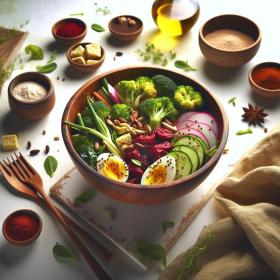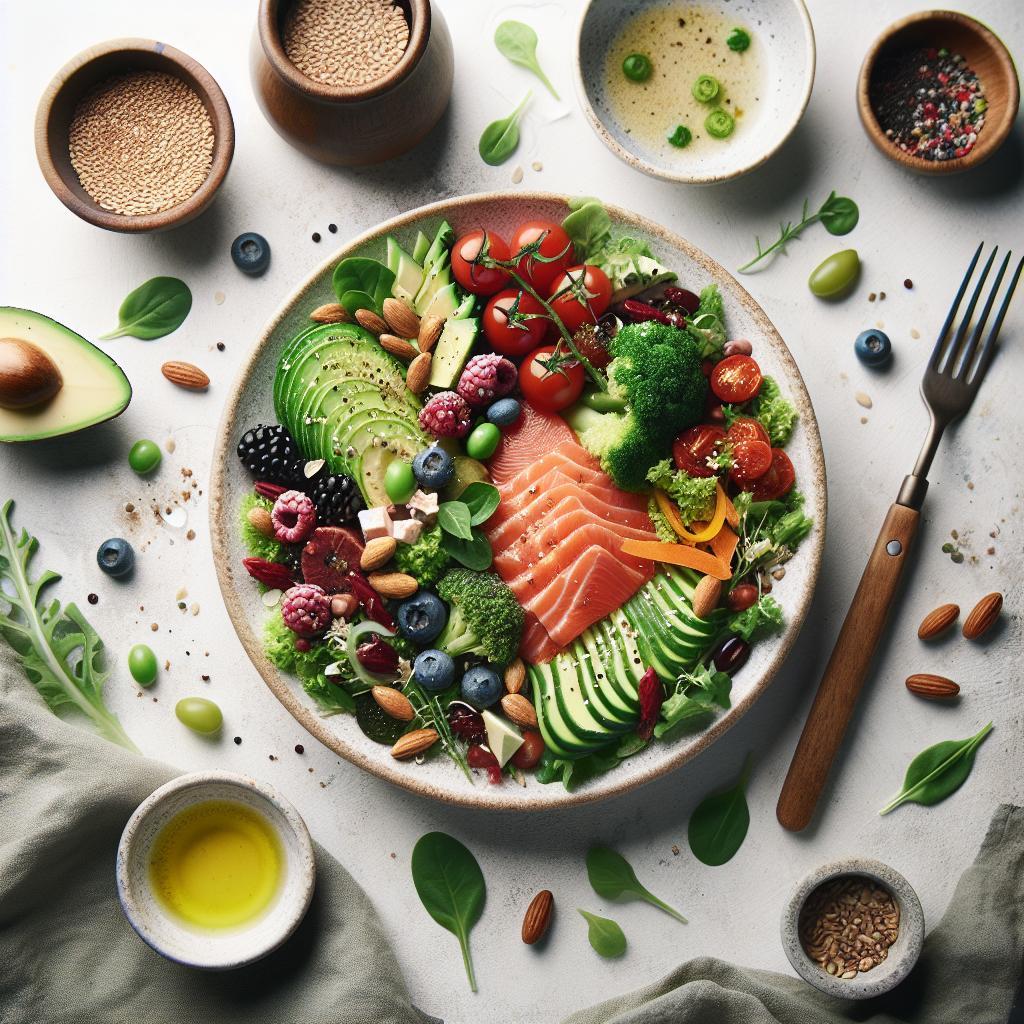

In a world buzzing with quick fixes and instant solutions, the true secret to vibrant health often lies in what’s quietly thriving within us-our gut. Probiotics, the beneficial bacteria that call our digestive system home, are powerful allies in boosting immunity, enhancing digestion, and uplifting overall wellness. But you don’t need to hunt down obscure supplements or complicated diets to tap into these natural health boosters. With a few simple, probiotic-rich ingredients and a sprinkle of creativity, you can craft delicious meals that cultivate wellness from the inside out. Join us as we explore easy, flavorful ways to nourish your microbiome and unlock the radiant health that starts at your table.
Boost Health Naturally by embracing the vibrant world of probiotics through simple, delicious fermented foods that transform your digestive wellness with every bite. The magic of probiotics lies in their ability to support your gut flora, enhance digestion, and elevate overall vitality. Whether you’re a seasoned fermenter or just beginning to explore this culinary realm, integrating probiotic-rich dishes into your daily meals is an inviting and tasty way to nurture your health from within.
Prep and Cook Time
Prep Time: 15 minutes (plus 24-48 hours fermentation)
Cook Time: 10 minutes (optional for some recipes)
Yield
4 servings
Difficulty Level
Easy
Ingredients
- 1 medium head green cabbage (about 2 pounds), shredded
- 1 tablespoon sea salt (preferably non-iodized)
- 1 teaspoon caraway seeds (optional, for depth of flavor)
- 1 cup water (filtered, non-chlorinated)
- 1 tablespoon freshly grated ginger (optional, to boost probiotic benefits)
- 1 medium carrot, julienned (adds sweetness and crunch)
- 1 teaspoon mustard seeds (optional, for aroma)
Instructions
- Prepare the cabbage: Remove outer leaves from the cabbage, then shred finely using a sharp knife or mandoline.
- Salt and massage: Place shredded cabbage in a large bowl and sprinkle with sea salt. Massage vigorously for about 5-7 minutes until the cabbage softens and releases liquid. This brine is essential for fermentation.
- Add flavor boosters: Stir in caraway seeds, mustard seeds, grated ginger, and julienned carrot to the cabbage mixture, distributing them evenly.
- Pack the jar: Transfer the cabbage mixture to a clean quart-sized glass jar. Press down firmly with your fist or a tamper to submerge the cabbage completely beneath its brine. If needed, add water to ensure all cabbage is covered.
- Weight and seal: Use a fermenting weight or a small, clean jar to keep the cabbage submerged under the brine. Cover the jar with a breathable cloth or fermentation lid to allow gases to escape but keep contaminants out.
- Ferment: Leave the jar at room temperature (65-75°F) for 24 to 48 hours. Begin tasting after 24 hours; fermentation time can be adjusted based on your preferred tanginess and texture.
- Refrigerate: Once fermented to your liking, seal the jar with a tight lid and refrigerate to slow down fermentation. Sauerkraut can last for 4-6 weeks refrigerated.
- Serve: Enjoy as a side dish, or incorporate into salads, sandwiches, and wraps to enliven your meals with natural probiotics.
Chef’s Notes
- Use non-iodized salt; iodine can inhibit fermentation.
- Press cabbage firmly into the jar to eliminate air pockets; exposure to air causes mold.
- You can experiment by adding garlic, chili flakes, or fennel seeds for varied probiotic profiles and flavors.
- If you notice any mold on the surface, discard it promptly. The rest of the batch is frequently still good if submerged properly.
- Make-ahead tip: Ferment once and store multiple jars for an effortless probiotic boost throughout the week.
Serving Suggestions
Serve your probiotic-rich sauerkraut chilled as a crisp, tangy topping on grilled meats, hearty sandwiches, or mixed into grain bowls. Garnish with fresh dill or chopped chives for a burst of color and herbaceous aroma. Another idea is to fold it into mashed avocado on toast or pair it with creamy cheeses like aged gouda or camembert for balanced textures that excite the palate.
| Nutrient | Per Serving |
|---|---|
| Calories | 25 kcal |
| Protein | 1 g |
| Carbohydrates | 5 g |
| Fat | 0.1 g |
| Fiber | 2 g |
| Sodium | 290 mg |
Incorporating probiotic-rich fermented foods like this homemade sauerkraut is a flavorful, natural way to boost health naturally. For additional inspiration on digestive wellness meals, explore our guide on fermented food recipes. Also, for scientific insights on probiotics’ health benefits, visit NIH’s guide to probiotics.

Q&A
Q&A: Boost Health Naturally: Crafting Easy Probiotic-Rich Meals
Q1: What exactly are probiotics, and why should I care about them?
A1: Probiotics are live beneficial bacteria that naturally reside in your gut. Think of them as tiny superheroes helping your digestion, supporting your immune system, and even lifting your mood. Including probiotics in your diet can restore balance to your gut flora, promoting overall wellness from the inside out.
Q2: How can I add probiotics to my daily meals without turning into a kitchen scientist?
A2: Great news – you don’t need a lab coat! Start simple by incorporating foods like yogurt, kefir, kimchi, sauerkraut, and miso. These tasty staples are alive with probiotics and easy to blend into everyday dishes. For example, add kefir to your morning smoothie, or toss sauerkraut into a sandwich for a zesty crunch and gut boost.
Q3: Are probiotic-rich meals only for breakfast, or can I enjoy them all day?
A3: Probiotics are versatile dining companions, ready to jazz up every meal! Think miso soup for lunch, a tangy yogurt dip for snacks, or a fermented pickled veggie side for dinner. The key is consistency – weaving probiotics into your daily routine nourishes your gut ecosystem continuously.
Q4: Can I make my own probiotic-rich meals at home easily?
A4: Absolutely! Fermentation is both an ancient art and a modern superfood hack. Start with a simple homemade sauerkraut-just cabbage and salt left to ferment for a week. You’ll marvel at the transformation as veggies turn tangy and rich in probiotics. Plus, crafting your own ferments lets you tailor flavors and keeps your kitchen buzzing with life.
Q5: Any tips to maximize the benefits of probiotics when cooking?
A5: Probiotics are living organisms, so high heat can be their nemesis. To preserve their superpowers, add probiotic foods at the end of cooking or enjoy them raw. For instance, sprinkle kimchi onto hot dishes right before serving, rather than cooking it, to keep those beneficial bacteria thriving.
Q6: Can anyone enjoy probiotic-rich meals, or should certain people be cautious?
A6: Most people can reap the benefits of probiotics safely. However, those with compromised immune systems or serious health conditions should chat with their healthcare provider before diving into fermented foods. When starting out, go slow-introduce probiotics gradually to let your gut adjust comfortably.
Q7: How soon can I expect to feel the positive effects after eating probiotic-rich meals?
A7: Patience is key! While some may notice improved digestion and energy within days, for many it takes a few weeks of regular consumption to feel the full benefits. Think of it as nurturing a garden – consistent care yields a vibrant, flourishing gut ecosystem over time.
Q8: What’s the takeaway message for boosting health naturally with probiotics?
A8: Probiotic-rich meals are a delicious, natural way to support your body’s inner balance. By choosing simple, ferment-packed foods and making them a regular part of your diet, you’re feeding not just your hunger, but the millions of beneficial allies inside you that keep you thriving. Embrace the friendly flora, and watch your health bloom!
In Summary
As we’ve explored, infusing your daily diet with probiotic-rich meals doesn’t require a culinary degree-just a sprinkle of creativity and a dash of intention. By embracing these simple, natural ingredients, you’re not just feeding your body; you’re nurturing a thriving internal ecosystem that supports digestion, immunity, and overall vitality. So next time you step into the kitchen, think of it as a gateway to better health, where every bite is a deliberate step toward balance and well-being. Crafting these easy, gut-friendly dishes is more than cooking-it’s cultivating a lifestyle rooted in wellness, one probiotic-rich meal at a time.