
Beneath the surface of our daily diets lies a world teeming with life-an intricate ecosystem within our gut that quietly shapes our well-being in profound ways. At the heart of this bustling microbial metropolis are prebiotic fibers, the unsung heroes fueling the health and harmony of our digestive system. But what exactly are these mysterious fibers, and how do they unlock the door to a healthier gut? In this article, we embark on a fascinating journey to uncover the science behind prebiotic fibers, revealing their powerful role in nurturing beneficial bacteria and transforming our approach to nutrition and wellness. Prepare to discover how unlocking the potential of prebiotic fibers could be the key to a happier, healthier you.
Unlocking gut health starts with understanding how prebiotic fibers act as powerful allies in nurturing your digestive ecosystem. These special fibers feed your beneficial gut bacteria, promoting a harmonious microbiome that supports everything from digestion to immune resilience. Imagine your gut as a flourishing garden-prebiotic fibers are the essential nutrients that help your microbial flora blossom, leading to optimal health and lasting wellness.
Prep and Cook Time
Prep: 10 minutes | Cook: 15 minutes | Total: 25 minutes
Yield
Serves 4 as a gut-nourishing side or light meal
Difficulty Level
Easy
Ingredients
- 1 cup raw chicory root, thinly sliced – a potent source of inulin, a natural prebiotic fiber
- 1 cup cooked Jerusalem artichoke, diced – rich in resistant starch and fiber
- 1 medium leek, washed and sliced – full of inulin and gentle on digestion
- 1 cup cooked black beans – adds fiber and protein for a balanced meal
- 2 cloves garlic, minced – contains prebiotic compounds to boost gut flora
- 1 tbsp olive oil – for sautéing and enhancing nutrient absorption
- ½ tsp ground turmeric – for added anti-inflammatory properties
- Salt and freshly ground black pepper, to taste
- 1 tbsp fresh lemon juice – brightens and aids digestion
- Fresh parsley, chopped (for garnish)
Instructions
- Prepare the ingredients: Thinly slice the raw chicory root and leek. Dice the cooked Jerusalem artichoke.
- Heat olive oil in a skillet over medium heat. Add minced garlic and sauté until fragrant, about 1 minute.
- Add sliced leek and chicory root, then sauté gently for 5 minutes, stirring occasionally to avoid browning, allowing their natural sweetness and prebiotic fibers to gently soften.
- Stir in diced Jerusalem artichoke and cooked black beans, cooking for another 5 minutes until everything is heated through and flavors meld.
- Sprinkle turmeric, salt, and pepper, stirring to combine. Cook for an additional 2 minutes to activate the turmeric’s benefits.
- Remove from heat and drizzle fresh lemon juice over the mixture to elevate the flavors and aid digestion.
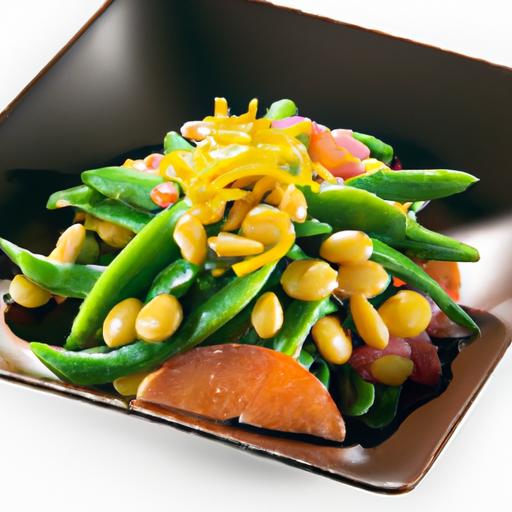
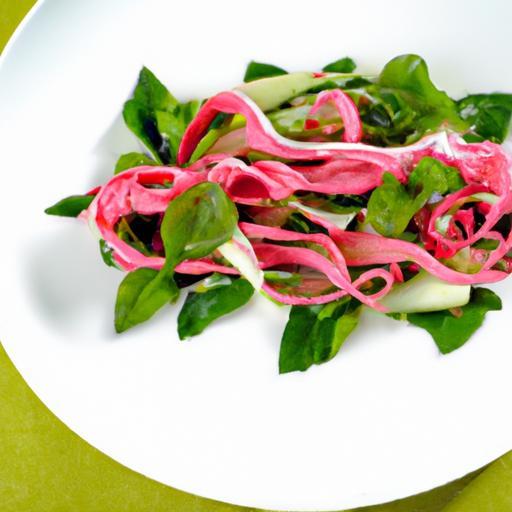
- Transfer to a serving dish, garnish with chopped parsley, and serve warm, enjoying the blend of textures and nourishing prebiotic fibers.
Chef’s Notes: Tips for Success
- Raw chicory root can be found at specialty markets or ordered online; if unavailable, substitute with dandelion greens for a similar prebiotic boost.
- Using cooked Jerusalem artichokes not only softens their texture but enhances their prebiotic resistant starch content.
- For a vegan protein boost, swap black beans with cooked lentils or chickpeas.
- To make this dish ahead, store it in an airtight container in the fridge for up to 3 days; reheat gently to preserve prebiotic integrity.
- If you prefer a smoother consistency, pulse the mixture slightly in a food processor for a creative gut-health dip or spread.
Serving Suggestions
This vibrant blend pairs beautifully alongside grilled lean proteins like salmon or chicken, or as a hearty topping for whole-grain toast. Garnish with a sprinkle of toasted pumpkin seeds for extra fiber and crunch. For an inviting bowl, add a dollop of Greek yogurt or plant-based kefir to enhance fermentation benefits. Embrace colorful plates with seasonal roasted vegetables or a fresh mixed greens salad tossed with apple cider vinegar dressing to complement your prebiotic centerpiece.
| Nutrient | Amount per Serving |
|---|---|
| Calories | 180 kcal |
| Protein | 8 g |
| Carbohydrates | 28 g (including 10 g prebiotic fibers) |
| Fat | 5 g |

For deeper insights on enhancing your digestive wellness, explore our Complete Guide to Gut Microbiome Nutrition. To learn more about the clinical benefits of prebiotic fibers, visit this authoritative NIH resource.
Q&A
Q&A: Unlocking Gut Health – The Power of Prebiotic Fibers Explained
Q1: What exactly are prebiotic fibers?
A: Think of prebiotic fibers as the VIP guests at your gut party. They’re a special type of dietary fiber that your digestive system can’t break down, but your gut bacteria absolutely love. These fibers serve as nourishment for beneficial bacteria, helping to keep your microbiome vibrant and thriving.
Q2: How do prebiotic fibers differ from probiotics?
A: If probiotics are the live friendly bacteria moving into your gut neighborhood, prebiotics are the organic fertilizer that helps them grow and flourish. Probiotics bring the microbes, prebiotics feed them-both are essential for a healthy gut ecosystem.
Q3: Why are prebiotic fibers important for gut health?
A: A balanced gut microbiome is key to better digestion, a stronger immune system, and even improved mood. Prebiotic fibers support this balance by selectively feeding the good bacteria, which in turn produce beneficial compounds like short-chain fatty acids that soothe your gut lining and reduce inflammation.
Q4: Which foods are rich in prebiotic fibers?
A: Mother Nature offers a smorgasbord of prebiotic goodies! Garlic, onions, leeks, asparagus, bananas, chicory root, Jerusalem artichokes, and whole grains are some prime sources. Incorporating a variety of these into your diet can give your gut bacteria the boost they need.
Q5: Can prebiotic fibers help with weight management?
A: Yes! By enhancing gut health, prebiotics can influence metabolism, cravings, and fat storage. The fermentation of prebiotic fibers produces substances that promote feelings of fullness and regulate blood sugar levels, making it easier to maintain a healthy weight.
Q6: How much prebiotic fiber should I consume daily?
A: While there’s no one-size-fits-all answer, a general guideline is to aim for about 5-20 grams of prebiotic fiber per day. Start slow, as a sudden increase might cause some digestive discomfort while your gut adapts.
Q7: Can prebiotic fibers cause any side effects?
A: For some, especially those new to these fibers, you might experience mild bloating or gas. This is normal and usually subsides as your gut bacteria adjust. Drinking plenty of water and gradually increasing intake can help minimize these effects.
Q8: How quickly can I expect to see benefits from adding prebiotic fibers?
A: Gut health is a journey, not a sprint. Many people notice improvements in digestion and energy within a few weeks, but long-term benefits continue as you regularly nurture your gut microbiota.
Q9: Are supplements better than food sources for prebiotic fibers?
A: Whole foods provide a diverse range of nutrients alongside prebiotics, making them the top choice. Supplements can be helpful if you struggle to get enough through diet, but quality and dosage matter-consult a healthcare professional before starting any new supplement.
Q10: What’s the secret to unlocking optimal gut health with prebiotic fibers?
A: Variety and consistency. Embrace a colorful, fiber-rich diet full of different prebiotic foods. Feed your microbiome well, and it will reward you with improved digestion, immunity, and overall vitality. Your gut is the gateway-open it wide with prebiotic power!
The Way Forward
As we’ve journeyed through the intricate world of prebiotic fibers, it’s clear that these unsung heroes play a pivotal role in unlocking the full potential of gut health. By nurturing the good bacteria within, they help create a thriving ecosystem that supports digestion, immunity, and overall well-being. Embracing a diet rich in prebiotic fibers isn’t just a trend-it’s an invitation to cultivate lasting harmony within your body. So, next time you reach for that fiber-packed meal, remember: you’re not just feeding yourself-you’re empowering a vibrant community within, one fiber at a time. Here’s to unlocking wellness from the inside out!