
In a world where ancient grains are making a triumphant comeback, millet stands out like a hidden gem waiting to be rediscovered. This humble seed, once a staple in civilizations long past, is now captivating modern kitchens with its versatility, nutritional punch, and delightful texture. But how do you transform this tiny grain into a magic meal? Fear not-whether you’re a seasoned grain guru or a curious newcomer, our easy steps will unlock the secrets to cooking millet perfectly every time. Get ready to embark on a journey where tradition meets taste, and millet becomes your new culinary hero.
Discovering Millet’s Amazing Nutritional Profile
Millet Magic truly shines as an ancient grain packed with essential nutrients that make it a staple worth embracing. Originating from diverse regions across Asia and Africa, millet offers a potent combination of high protein, fiber, and vital minerals such as magnesium, phosphorus, and iron-making it an exceptional choice for anyone looking to boost their wellness effortlessly. As a naturally gluten-free, low-glycemic grain, millet supports digestive health and sustained energy release, making it the perfect base for wholesome meals that satisfy both body and soul.
Prep and Cook Time
- Preparation Time: 15 minutes (includes soaking and rinsing)
- Cooking Time: 20 minutes
- Total Time: 35 minutes
Yield
- Servings: 4 hearty portions
Difficulty Level
- Easy – perfect for beginners and seasoned cooks alike
Ingredients
- 1 cup raw millet (choose pearl millet or foxtail for fluffier texture)
- 2 ½ cups filtered water
- ½ teaspoon fine sea salt
- 1 tablespoon olive oil or unsalted butter (optional, for richness)
- Fresh herbs like parsley or cilantro, finely chopped (for garnish)
Step-by-Step Instructions to Unlock Millet’s Full Flavor
- Rinse and Soak: Place the millet in a fine-mesh sieve and rinse under cold running water, removing any dust or debris. Transfer to a bowl and soak in filtered water for 30 minutes to an hour; this step softens the grains and helps achieve a light, fluffy texture after cooking.
- Drain and Toast: Drain the millet thoroughly. In a dry skillet over medium heat, toast the grains for 3-5 minutes, stirring frequently until they emit a nutty aroma and turn a light golden hue. This enhances millet’s naturally sweet and earthy notes.
- Simmer Gently: In a medium-heavy saucepan, combine the toasted millet, 2 ½ cups filtered water, and sea salt. Bring to a boil over medium-high heat, then reduce to a gentle simmer and cover with a tight-fitting lid.
- Cook Until Tender: Let the millet cook undisturbed for 18-20 minutes. Avoid stirring, which can break up the grains. Once cooking time is complete, remove from heat and let sit for 5 minutes, allowing it to steam to the perfect tenderness.
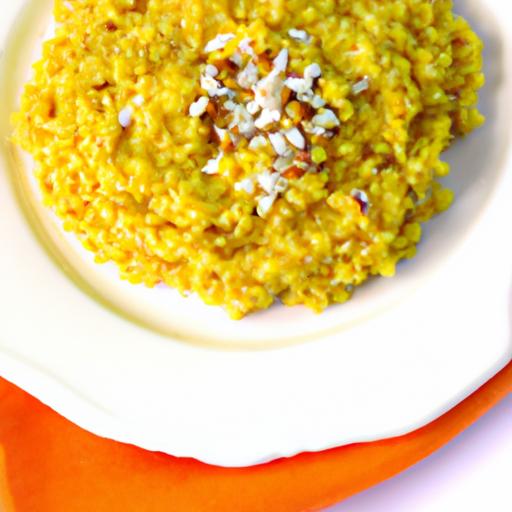
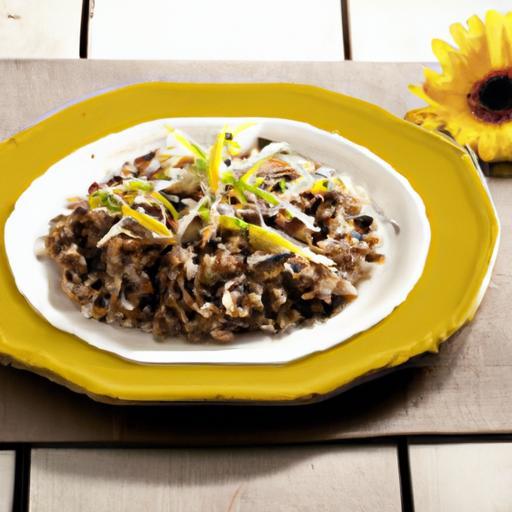
- Fluff and Finish: Using a fork, gently fluff the millet to separate the grains. Stir in olive oil or butter if desired for a silky finish. Garnish with fresh herbs for a vibrant touch.
Tips for Success
- Choosing the Right Variety: For fluffy millet, pearl millet works wonderfully, while finger millet offers a chewier texture ideal for porridges and baking. Experiment to find your favorite!
- Don’t Skip the Toasting: This small step elevates flavor dramatically, making the difference between bland and brilliant.
- Water Ratios Matter: Adjust water slightly if you prefer creamier millet; add ¼ cup more during cooking.
- Make-Ahead Convenience: Cooked millet keeps well refrigerated for up to 4 days and freezes beautifully, perfect for quick meals.
Serving Suggestions
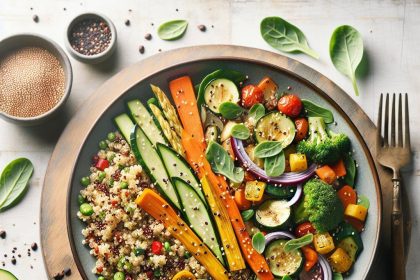
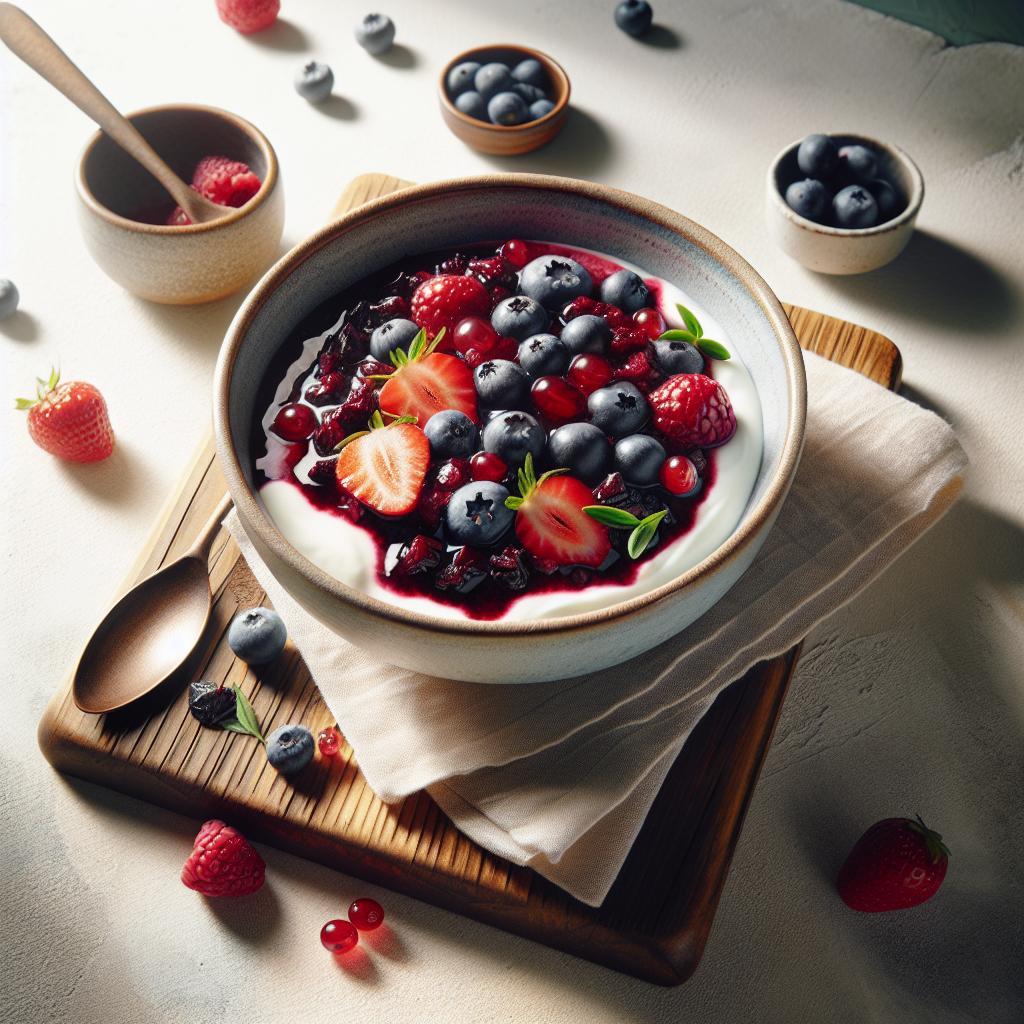
Serve your perfectly cooked millet as a wholesome side to grilled vegetables or lean meats. Stir in roasted nuts and seeds for a crunchy contrast, or top with seasonal fruit and a drizzle of honey for a nutritious breakfast bowl. Garnish with bright herbs or a squeeze of lemon to uplift the flavors and presentation. Millet’s versatility invites creativity-try it in salads, pilafs, or even as a base for veggie burgers!
| Nutrient | Amount per 1 cup cooked |
|---|---|
| Calories | 207 kcal |
| Protein | 6 grams |
| Carbohydrates | 41 grams |
| Fat | 1.7 grams |
| Fiber | 2.3 grams |

For further inspiration on incorporating millet into your diet, check out our Healthy Grain Recipes collection or explore the USDA’s detailed nutrient database here.
Q&A
Q&A: Millet Magic – Easy Steps to Cook This Ancient Grain Right
Q1: What exactly is millet, and why should I consider adding it to my meals?
A: Millet is a tiny, ancient grain that’s been nourishing civilizations for thousands of years. It’s gluten-free, rich in fiber, packed with protein, and brimming with essential minerals like magnesium and phosphorus. Plus, its subtle nutty taste and fluffy texture make it a versatile hero in both savory and sweet dishes!
Q2: How do I prepare millet before cooking? Does it need soaking or rinsing?
A: Absolutely! Rinse millet under cold water to wash away any dust or bitterness. Some cooks like to soak it for 2-4 hours to soften the grains and speed up cooking, but it’s not mandatory. Rinsing is the simplest and most essential step.
Q3: What’s the secret to perfectly cooked millet that’s light and fluffy, not mushy?
A: The magic ratio is 1 cup of millet to 2 cups of water. Toast your millet dry in a hot pan for 3-5 minutes until fragrant – this unlocks its nutty flavor. Then add boiling water, a pinch of salt, cover, and simmer gently for 15-20 minutes. Let it rest covered for 5 minutes, then fluff with a fork. Voilà – fluffy millet perfect for pilafs, salads, or breakfasts!
Q4: Can I use millet like rice or quinoa in recipes?
A: Oh yes! Millet is incredibly versatile. Use it as a rice substitute in stir-fries, as a base for grain bowls, or even as a porridge with fruits and spices in the morning. Its mild flavor makes it a blank canvas for countless culinary creations.
Q5: Are there any tips to enhance millet’s flavor?
A: Toasting is the first flavor booster. Beyond that, cooking millet in vegetable or chicken stock instead of plain water adds depth. Stir in fresh herbs, sautéed garlic, or a dash of curry powder for excitement. For desserts, sweeten with honey, cinnamon, and dried fruits.
Q6: How should I store cooked and uncooked millet to keep it fresh?
A: Store uncooked millet in an airtight container in a cool, dark pantry and it will keep for several months. Cooked millet should be refrigerated in a sealed container and consumed within 4-5 days. For longer storage, freeze cooked millet in portioned bags.
Q7: Is millet suitable for people with dietary restrictions?
A: Definitely! Millet is naturally gluten-free, making it a great grain alternative for those with celiac disease or gluten sensitivities. It’s also vegan-friendly and packed with nutrients, which makes it a wholesome choice for many diets.
With these nuggets of millet wisdom, you’re set to cook this ancient grain like a pro. Embrace the magic of millet and let it transform your meals into wholesome, delicious adventures!
The Conclusion
As we wrap up our journey through the delightful world of millet, it’s clear that this ancient grain is anything but old-fashioned. With its hearty texture, nutty flavor, and remarkable versatility, millet invites both novice cooks and seasoned chefs to experiment in the kitchen. Armed with these simple steps, you’re now ready to unlock the magic of millet-transforming a humble grain into wholesome, delicious meals that nourish your body and delight your palate. So next time you crave a nutritious alternative or a new culinary adventure, let millet be your secret ingredient to a meal that’s truly timeless. Happy cooking!