
In the quest for vibrant health, the secret often lies not on the surface, but deep within-inside the complex ecosystem of our gut. Imagine turning the simple act of dressing your salad into a powerful ritual of nourishment and wellness. Enter probiotic salad dressings, where tangy yogurt and effervescent kefir transform ordinary greens into a fermented fiesta for your digestive system. These creamy, cultured concoctions don’t just add flavor; they infuse your meals with live beneficial bacteria that support digestion, boost immunity, and elevate your overall vitality. Join us as we explore how to craft these delicious dressings, unlocking the potential to boost your gut health one refreshing bite at a time.
Harnessing Yogurt and Kefir for Gut-Friendly Salad Dressings
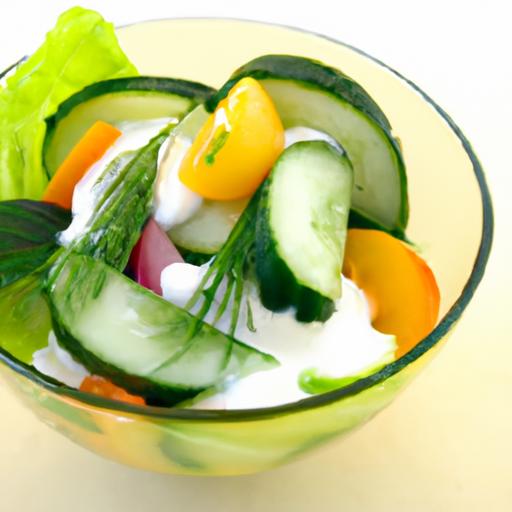
Boost Gut Health: Probiotic Salad Dressings with Yogurt or Kefir offer a transformative way to enrich your meals with delicious, gut-loving benefits. These creamy dressings, rooted in age-old fermentation traditions, combine the tangy richness of yogurt and kefir to elevate everyday salads into nourishing powerhouses. Inspired by Mediterranean and Eastern European culinary heritage, these probiotic dressings bring both flavor and vitality to your table, turning simple greens into vibrant celebrations of health.
Prep and Cook Time
- Preparation: 10 minutes
- Marinating (optional): 20 minutes
Yield
- Approximately 1 cup of probiotic salad dressing, perfect for 4 servings
Difficulty Level
- Easy – ideal for cooks of all skill levels
Ingredients
- 1/2 cup plain full-fat yogurt (Greek or traditional, for creamy texture and rich probiotics)
- 1/2 cup plain kefir (to boost fermentation benefits and add zesty smoothness)
- 1 tablespoon extra virgin olive oil (adds silkiness and healthy fats)
- 1 tablespoon fresh lemon juice (bright acidity to balance creaminess)
- 1 teaspoon honey or maple syrup (for subtle sweetness)
- 1 small garlic clove, minced (infuses a mild, savory warmth)
- 2 tablespoons fresh herbs, finely chopped (such as dill, parsley, or chives for freshness)
- Salt and freshly ground black pepper, to taste
Instructions
- Combine the creamy bases. In a medium bowl, whisk together the plain yogurt and kefir until smooth and uniform in texture.
- Add the liquids. Slowly drizzle in the extra virgin olive oil and fresh lemon juice, whisking continuously to emulsify the dressing and brighten the flavors.
- Sweeten and season. Stir in the honey or maple syrup and minced garlic, ensuring even distribution.
- Incorporate freshness. Fold in the finely chopped fresh herbs-dill pairs beautifully with kefir, while parsley and chives elevate yogurt varieties.
- Adjust seasoning. Sprinkle in salt and freshly ground black pepper to taste, giving the dressing a balanced profile that complements any salad.
- Chill and meld. For optimal flavor and probiotic potency, refrigerate for at least 20 minutes before serving, allowing the herbs and spices to fuse harmoniously.
- Serve. Drizzle over crisp greens, roasted vegetables, or grain bowls to experience the vibrant, gut-friendly benefits in every bite.
Chef’s Notes & Tips for Success
- Substitution tip: Use coconut yogurt for a dairy-free vegan option, though the probiotic strength may vary.
- Flavor variation: Add a pinch of smoked paprika or cumin to introduce smoky warmth and complexity.
- Texture tweak: If the dressing is too runny, stir in a teaspoon of tahini or a small amount of mashed avocado for added creaminess.
- Make ahead: Prepare up to 3 days in advance; the probiotics stay active and flavors deepen over time, giving your salads continuous gut-health boosts.
- Probiotic preservation: Avoid heating the dressing post-preparation to maintain the live cultures’ integrity and maximize gut benefits.
Serving Suggestions
Pair these probiotic salad dressings with vibrant winter greens like kale or arugula, topped with toasted nuts and seeds for crunch. They also complement Mediterranean-inspired grain bowls featuring quinoa, roasted chickpeas, and fresh veggies. Garnish with a sprinkle of edible flowers or microgreens for a visual feast that’s as pleasing to the eye as it is to your digestive system.
| Nutrient | Per Serving (2 Tbsp) |
|---|---|
| Calories | 60 |
| Protein | 3g |
| Carbohydrates | 4g |
| Fat | 4.5g |

Discover more gut-boosting recipes and benefits in our Healthy Gut Recipes Collection. For a deep dive into the science behind probiotics, visit National Center for Complementary and Integrative Health.
Q&A
Q&A: Boost Gut Health with Probiotic Salad Dressings Using Yogurt or Kefir
Q1: Why should I consider probiotic salad dressings?
A1: Probiotic salad dressings offer a delicious and creative way to nourish your gut microbiome. By incorporating fermented ingredients like yogurt or kefir, you introduce beneficial bacteria that support digestion, enhance immune function, and may even improve mood. Instead of traditional vinaigrettes that focus solely on flavor, probiotic dressings give you the added bonus of gut-loving probiotics in every bite.
Q2: What makes yogurt and kefir ideal bases for probiotic dressings?
A2: Yogurt and kefir are both fermented dairy products rich in live probiotic cultures. Yogurt tends to be thicker and tangier, adding creamy texture and a mild tartness to your dressings. Kefir is thinner and more liquid, perfect for lighter dressings with a punch of probiotics. Both have unique strains of bacteria that promote gut health, making them functional and flavorful bases for salad dressings.
Q3: Can I use non-dairy yogurt or kefir for probiotic dressings?
A3: Absolutely! Many plant-based yogurts and kefirs now contain live probiotic cultures similar to their dairy counterparts. Whether from coconut, almond, or oat milk, these alternatives can provide both the creamy texture and gut-boosting benefits you’re looking for-just check the label to ensure live cultures are present.
Q4: How do I make a simple probiotic salad dressing at home?
A4: It’s easy! Start with plain yogurt or kefir as your base. Add a splash of olive oil, a squeeze of lemon juice or apple cider vinegar, a pinch of salt, and your favorite herbs like dill or parsley. Whisk it all together until smooth, then drizzle over fresh greens. This quick concoction not only tastes refreshing but also supplies your gut with nourishing probiotics.
Q5: Do probiotic dressings need special storage?
A5: Yes, since yogurt and kefir contain live bacteria, store your probiotic dressings in the refrigerator. Keep them in airtight containers to maintain freshness and microbial balance. Typically, consume within 3-5 days for optimal probiotic potency and flavor.
Q6: Will probiotic dressings help with digestive issues?
A6: Incorporating probiotic dressings can contribute to a healthier gut environment which may ease digestion and reduce bloating or discomfort over time. However, they are a complementary approach and should be part of an overall balanced, fiber-rich diet and healthy lifestyle for best results.
Q7: Can I experiment with flavors in probiotic dressings?
A7: Definitely! Probiotic dressings are a playground for your taste buds. Try mixing in garlic, ginger, honey, mustard, or fresh chilies. Each addition can enhance flavor complexity while keeping your gut happy. The versatility makes probiotic dressings a fun, tasty way to boost gut health daily.
By embracing probiotic salad dressings with yogurt or kefir, you turn ordinary greens into a powerhouse of health benefits-one vibrant drizzle at a time!
To Wrap It Up
As we’ve explored, elevating your salad with probiotic-rich dressings made from yogurt or kefir is not just a flavor upgrade-it’s a boost for your gut’s well-being. These creamy, tangy dressings invite a symphony of beneficial bacteria to your digestive system, helping balance your microbiome one delicious bite at a time. So next time you reach for that salad bowl, remember: a spoonful of probiotic goodness can turn a simple meal into a powerhouse of health. Embrace the fusion of taste and nutrition, and let your gut thrive with every luscious drizzle. Here’s to vibrant salads and even brighter digestion!