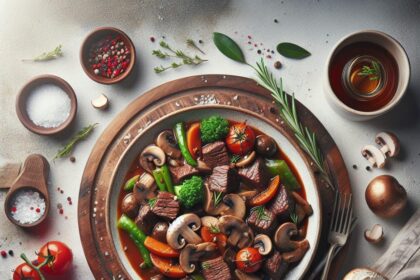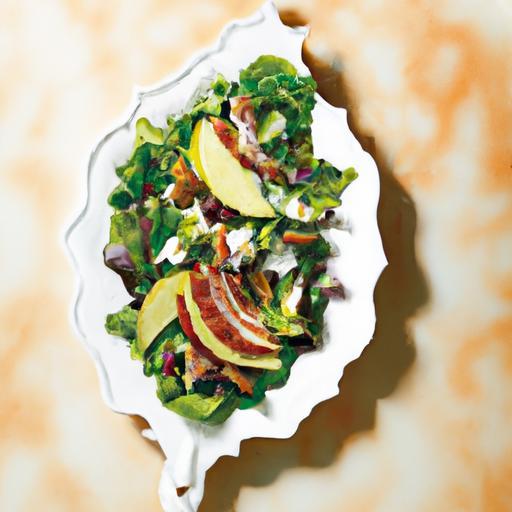

In the high-octane world of sports, what you put into your body is just as crucial as the hours you clock on the field, track, or court. Welcome to “Fuel Your Game: The Ultimate Starter Guide to Sports Nutrition,” where science meets sweat and strategy meets sustenance. Whether you’re an aspiring athlete chasing personal bests or a weekend warrior looking to up your performance, understanding the power of proper nutrition can transform your game from good to legendary. Get ready to dive into the essentials of fueling your body right-because every champion’s journey begins with the perfect blend of fuel, focus, and fierce determination.
Fuel Your Game with a Power-Packed Quinoa Energy Bowl
Fuel your game is all about making smart, vibrant choices that energize your body for peak performance. This Quinoa Energy Bowl perfectly marries complex carbohydrates, lean protein, and healthy fats to supercharge your workout and speed recovery. Inspired by vibrant Mediterranean flavors and tailored for sports enthusiasts, it’s a quick recipe that will invigorate your body and delight your taste buds.
Prep and Cook Time
Prep: 10 minutes | Cook: 20 minutes | Total: 30 minutes
Yield
Serves 2 generous portions
Difficulty Level
Easy – Perfect for beginners and seasoned meal preppers alike!
Ingredients
- 1 cup organic quinoa, rinsed
- 2 cups low-sodium vegetable broth
- 1 cup cooked chickpeas, drained and rinsed
- 1 medium ripe avocado, diced
- 1 cup cherry tomatoes, halved
- 1 cup fresh baby spinach leaves
- ¼ cup crumbled feta cheese (optional)
- 2 tbsp extra virgin olive oil
- 1 tbsp fresh lemon juice
- 1 tsp smoked paprika
- Salt and freshly ground black pepper, to taste
- 2 tbsp chopped fresh parsley for garnish
- 1 small clove garlic, minced
Instructions
- Cook the quinoa: In a medium saucepan, combine the rinsed quinoa with the vegetable broth. Bring to a boil, then reduce heat to low, cover, and simmer for 15 minutes or until the liquid is absorbed. Remove from heat and let it sit, covered, for 5 minutes. Fluff with a fork.
- Prepare the dressing: In a small bowl, whisk together the olive oil, fresh lemon juice, minced garlic, smoked paprika, salt, and pepper. Set aside to let flavors meld.
- Assemble the bowl: Divide the warm quinoa between two bowls. Layer the chickpeas, cherry tomatoes, baby spinach, and diced avocado evenly on top.
- Drizzle dressing and garnish: Pour the dressing evenly over each bowl. Sprinkle crumbled feta cheese and fresh parsley for a burst of flavor and color.
- Final touch: Give everything a gentle toss just before eating to combine textures and flavors beautifully.
Tips for Success
- Substitutions: Swap chickpeas for grilled chicken or tempeh for added protein variety.
- Make-ahead: Cook quinoa and chickpeas in bulk to save time on busy days; store separately in airtight containers.
- Flavor boost: Add a sprinkle of toasted pumpkin seeds or a few olives for an extra nutrient punch.
- Storage: Keep dressing separate until serving to avoid sogginess.
- Troubleshooting: If quinoa tastes bitter, rinse it thoroughly before cooking to remove saponins.
Serving Suggestions
This bowl shines served slightly warm or at room temperature, making it ideal for meal prep or a refreshing post-training snack. For a colorful table, pair with a side of grilled vegetables or a crispy whole-grain flatbread. Garnish with extra lemon wedges for that zesty, fresh kick.
| Nutrition | Per Serving |
|---|---|
| Calories | 450 kcal |
| Protein | 18 g |
| Carbohydrates | 50 g |
| Fat | 15 g |

For more advanced sports nutrition insights, be sure to explore our deep dive on nutrient timing. Also, check the National Institutes of Health’s article for trusted science on hydration and energy metabolism.
Q&A
Q&A: Fuel Your Game – The Ultimate Starter Guide to Sports Nutrition
Q1: Why is sports nutrition important for athletes and active individuals?
A: Think of your body as a high-performance engine. Without premium fuel, it can’t deliver peak power or endurance. Sports nutrition provides the right balance of carbohydrates, proteins, fats, vitamins, and minerals – all crucial to maximize energy, recovery, and overall performance. Proper fueling helps you train harder, recover faster, and play longer.
Q2: What should my pre-workout meal look like?
A: Your pre-game or pre-training meal is your launchpad! Aim for easy-to-digest carbs like oatmeal, bananas, or whole grain toast to stockpile energy. Pair it with a bit of protein (Greek yogurt, eggs) to prepare muscles for action. Avoid heavy fats or fiber to prevent sluggishness. Timing matters too – eat about 1.5 to 3 hours before hitting your game or workout.
Q3: How crucial is hydration during exercise?
A: Hydration is your secret power-up. Water regulates your body temperature, lubricates joints, and transports nutrients – all vital when you sweat it out. Dehydration even as mild as 2% of body weight can reduce performance and concentration. Sip water regularly; for longer sessions, consider electrolyte drinks to replenish lost salts and minerals.
Q4: What role does protein play in sports nutrition?
A: Protein is your repair crew. Playing sports causes tiny muscle fiber tears, and protein provides the building blocks to rebuild and strengthen those tissues. Incorporate lean proteins like chicken, fish, beans, or plant-based options throughout your day, especially within 30-60 minutes post-exercise to supercharge recovery.
Q5: Are supplements necessary to perform better?
A: Supplements can be helpful but aren’t magic bullets. Whole foods should be your foundation; supplements like protein powders, creatine, or BCAAs can fill nutritional gaps or enhance specific goals. Always research and consult a sports nutritionist to avoid ineffective or unsafe choices.
Q6: How can I tailor my nutrition to different types of sports?
A: Endurance athletes often need higher carb intake for sustained energy, while strength athletes may focus more on protein for muscle growth. Team sports demand a mix of both. Understanding your sport’s specific energy demands helps you fine-tune your macro balance – think of it as customizing your fuel mix for optimal performance.
Q7: Can nutrition impact mental performance during sports?
A: Absolutely! Your brain is a hungry organ, and proper nutrition fuels focus, decision-making, and reaction time. Omega-3 fatty acids, antioxidants, and steady glucose levels (via complex carbs) support cognitive function, helping you stay sharp whether you’re on the court, field, or track.
Q8: What’s a simple daily nutrition tip for athletes starting out?
A: Prioritize colorful, whole foods and consistent meal timing. Eating balanced plates with veggies, fruits, whole grains, and proteins throughout the day sets a strong foundation. Remember, consistency beats perfection – small, smart nutrition habits build the powerhouse you need to fuel your game!
This Q&A captures essential insights for readers eager to optimize their sports nutrition and unlock their athletic potential.
The Conclusion
As you lace up your shoes and step onto the field, court, or track, remember that every great performance begins long before the first whistle blows. Fueling your body with the right nutrients is not just about eating-it’s about empowering your game from within. With this ultimate starter guide to sports nutrition, you now hold the playbook to unlock your full potential, boost endurance, speed recovery, and sharpen focus. So next time you gear up, think beyond practice and strategy-think nourishment. Because in the game of athletic excellence, what you feed your body is the true MVP. Now, go ahead and fuel your game like a champion.