
In a world increasingly burdened by chronic inflammation-the silent spark behind many modern ailments-nature offers a potent remedy hidden beneath the surface of our everyday diet. Omega-3 fatty acids, often hailed as nutritional superheroes, hold the key to unlocking a powerful defense against inflammation’s stealthy assault. But what if the true potential of these essential fats goes far beyond what you’ve heard? Journey with us as we delve into the remarkable secrets of Omega-3, unwrapping how these natural compounds work their magic inside the body, why they are crucial for optimal health, and how you can harness their anti-inflammatory prowess to transform your wellbeing from the inside out. Welcome to the fascinating world of Omega-3: nature’s ultimate inflammation fighter.
Omega-3 Secrets unveil a transformative way to nourish your body and soothe inflammation through delicious, wholesome ingredients. Embracing omega-3 fatty acids not only supports heart and brain health but also plays a pivotal role in calming chronic inflammatory conditions from the inside out. In this recipe, you’ll discover how incorporating omega-3-rich foods into vibrant, easy-to-make dishes can empower your daily eating habits with maximal healing benefits.
Prep and Cook Time
- Prep Time: 15 minutes
- Cook Time: 10 minutes
- Total Time: 25 minutes
Yield
Serves 4
Difficulty Level
Easy
Ingredients
- 4 wild-caught salmon fillets (6 oz each), skin on
- 2 tbsp extra virgin olive oil
- 1 tbsp fresh lemon juice
- 2 cloves garlic, minced
- 1 tbsp fresh dill, chopped
- 1 tbsp ground flaxseeds
- 1 cup steamed kale, chopped
- 1 cup cooked quinoa
- 1/2 cup walnuts, finely chopped
- Salt and freshly ground black pepper to taste
- 1 ripe avocado, sliced (for garnish)
- Fresh parsley sprigs (for garnish)
Instructions
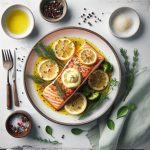
- Preheat your oven to 400°F (200°C). Place the wild-caught salmon fillets on a baking tray lined with parchment paper.
- In a small bowl, whisk together olive oil, lemon juice, minced garlic, and half the chopped dill. Brush this mixture generously over the salmon.
- Sprinkle the salmon evenly with ground flaxseeds, which add a gentle nutty flavor and a boost of plant-based omega-3s.
- Season with salt and freshly ground black pepper to taste. Bake in the oven for 10 minutes or until the salmon flakes easily with a fork.
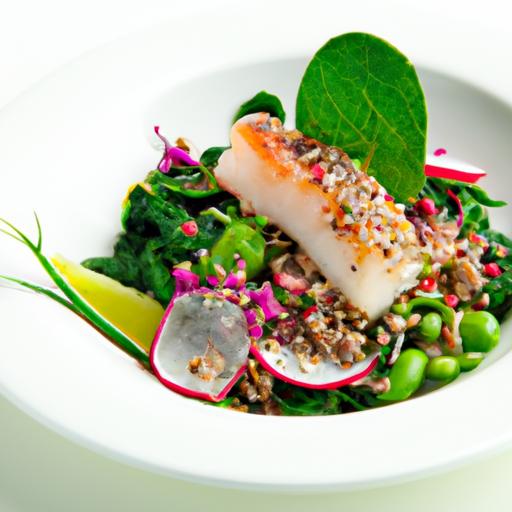
- While the salmon bakes, combine steamed kale, cooked quinoa, and chopped walnuts in a large bowl. Toss lightly with a drizzle of olive oil and remaining dill. This nutrient-rich bed balances earthy greens and crunchy omega-3-packed walnuts.
- To plate, place a generous scoop of the quinoa-kale mix in the center of each plate. Top it with the warm salmon fillet.
- Garnish with avocado slices and fresh parsley sprigs for creamy texture and vibrant color contrast.
- Enjoy immediately to capture the fresh, bold flavors and maximum omega-3 benefits.
Tips for Success
- For an added omega-3 punch, sprinkle a teaspoon of chia seeds or hemp hearts over the quinoa mash just before serving.
- When selecting salmon, opt for wild-caught rather than farmed to ensure higher omega-3 concentration and fewer toxins.
- If you prefer a vegetarian version, swap salmon for grilled tempeh marinated in flaxseed oil and lemon juice.
- The mix of kale and quinoa can be prepared a day ahead and stored refrigerated; reheat gently to retain texture.
- Experiment with fresh herbs such as basil or cilantro to vary flavor profiles while maintaining anti-inflammatory benefits.
Serving Suggestions
Pair this omega-3-rich salmon dish with a crisp cucumber and citrus salad lightly dressed with apple cider vinegar for refreshing acidity. A side of roasted sweet potatoes complements the plate’s earthiness, while a chilled glass of green tea infused with ginger promotes digestion and adds subtle warmth. For visual appeal, garnish plates with edible flowers or microgreens highlighting the vibrant green hues.

| Nutrient | Amount per Serving |
|---|---|
| Calories | 420 kcal |
| Protein | 38 g |
| Carbohydrates | 20 g |
| Fat | 22 g (mostly omega-3 fatty acids) |
For a deep dive into the role of omega-3 in reducing inflammation, visit Harvard T.H. Chan School of Public Health. To explore other empowering anti-inflammatory recipes, check out our detailed anti-inflammatory meal plans.
Q&A
Q&A: Omega-3 Secrets – Unlocking Nature’s Inflammation Fighter
Q1: What exactly are Omega-3s, and why are they called nature’s inflammation fighters?
A1: Omega-3s are essential fatty acids found abundantly in fish, flaxseeds, and walnuts. Think of them as tiny warriors inside your body, quietly battling inflammation and promoting cellular harmony. Unlike many nutrients that only support one aspect of health, Omega-3s actively soothe inflammation-the root of many chronic diseases-making them nature’s own peacekeepers.
Q2: How does inflammation affect our body, and how can Omega-3s help?
A2: Inflammation is your body’s natural defense against injury or infection. But when it goes rogue-becoming chronic-it silently damages tissues, contributing to arthritis, heart disease, and even depression. Omega-3s step in as anti-inflammatory agents, dialing down this unwanted fire by influencing immune cells and signaling molecules, effectively calming the storm before it causes harm.
Q3: Are all Omega-3 fatty acids created equal?
A3: Not quite! There are three main types: ALA (alpha-linolenic acid), found in plants; and EPA (eicosapentaenoic acid) and DHA (docosahexaenoic acid), primarily from marine sources. EPA and DHA pack the most anti-inflammatory punch, directly influencing inflammation pathways and cell membranes. ALA is like a seed-it needs conversion by your body into EPA and DHA, which is often limited, so seafood or supplements can be a more direct source.
Q4: Can you get enough Omega-3 from diet alone, or are supplements necessary?
A4: While a balanced diet rich in fatty fish like salmon, mackerel, and sardines can fulfill your Omega-3 needs, many people don’t consume these regularly. Supplements can be a convenient way to ensure consistent intake, especially for those with dietary restrictions or higher inflammation levels. However, quality matters-look for purified, sustainably sourced products.
Q5: Beyond fighting inflammation, what other secrets do Omega-3s hold?
A5: Omega-3s wear many hats! They support brain health, boosting memory and mood, protect heart health by improving cholesterol levels, and even aid in eye health and prenatal development. Their multi-dimensional roles underscore why they’re often dubbed “super fats”.
Q6: How can someone start unlocking the benefits of Omega-3 today?
A6: Begin with small, delicious changes: add chia seeds to your morning smoothie, swap snacks for walnuts, and try a couple of weekly servings of oily fish. If you’re considering supplements, chat with a healthcare professional to find the best option for your unique needs. Unlocking Omega-3’s secrets is less about drastic changes and more about consistent, mindful choices.
Q7: Is there such a thing as too much Omega-3?
A7: Like all good things, moderation is key. Excessive Omega-3 intake might increase bleeding risk or interact with certain medications. Stick to recommended doses-typically up to 3 grams per day-unless advised otherwise by your doctor. Balance, after all, is the greatest secret Omega-3s teach us.
Concluding Remarks
As we unravel the remarkable story behind omega-3, it becomes clear that this natural powerhouse is far more than just a dietary supplement-it’s a key to balancing the body’s delicate harmony. From soothing chronic inflammation to nurturing heart and brain health, omega-3 fatty acids stand as nature’s unsung heroes working silently within us. By embracing these essential nutrients through mindful nutrition, we empower our bodies to fight back against the stressors of modern life. So, next time you reach for a meal or a supplement, remember that within those tiny molecules lies a profound secret-a secret waiting to unlock a healthier, more vibrant you.