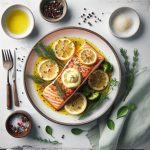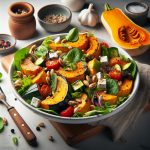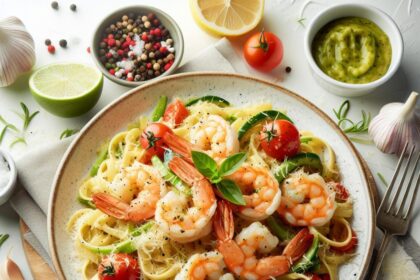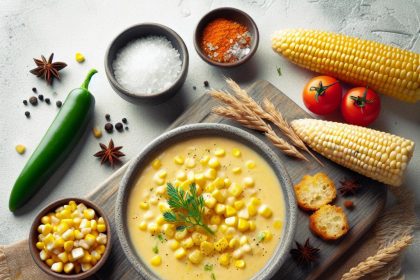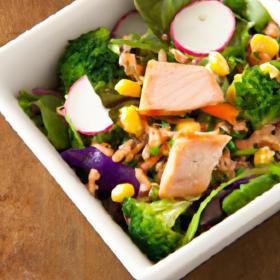

Imagine a world where every bite you take is a tiny soldier defending your mind against the shadows of Alzheimer’s and dementia. What if the path to a sharper memory, clearer thinking, and a vibrant brain health wasn’t locked away in a pill bottle, but readily available on your plate? Welcome to the fascinating realm of brain-boosting bites-nutrient-packed foods that don’t just nourish your body but also power up your mind’s defenses. In this article, we’ll explore the delicious, science-backed ingredients that have shown promise in fighting cognitive decline, helping you make meals that not only satisfy your hunger but also protect your most precious asset: your brain. Get ready to snack smart, eat well, and unlock the secret to a healthier mind.
Brain Boosting Bites: Crafting a Delicious Antioxidant & Omega-3 Power Bowl
Brain Boosting Bites come alive in this vibrant bowl crafted to nourish your mind and delight your palate. Inspired by Mediterranean and Nordic culinary traditions-both celebrated for their cognitive benefits-this recipe combines antioxidant-rich berries, omega-3-packed walnuts, and vibrant leafy greens into a refreshing and satiating meal. Whenever I need a mental pick-me-up during a busy day, this dish fuels my focus and fuels creativity with every colorful bite.
Prep and Cook Time
Prep: 15 minutes | Cook: 5 minutes (optional) | Total: 20 minutes
Yield
Serves 2 healthy brain boosters
Difficulty Level
Easy – perfect for beginners and busy food enthusiasts alike.
Ingredients
- 2 cups fresh baby spinach (rich in antioxidants and folate)
- 1 cup mixed wild blueberries (bursting with anthocyanins)
- ¼ cup shelled walnuts (a potent source of omega-3 fatty acids)
- ½ avocado, sliced (loaded with healthy fats for brain cell membranes)
- 1 small beetroot, roasted and diced (enhances blood flow to the brain)
- 3 tbsp extra virgin olive oil (for heart-healthy monounsaturated fats)
- 1 tbsp chia seeds (tiny omega-3 powerhouses)
- 1 tsp lemon zest (boosts flavor and vitamin C content)
- Salt & freshly cracked black pepper (to taste)
Instructions
- Prepare the beetroot: Roast the beetroot wrapped in foil at 400°F (200°C) for about 45 minutes, or until tender. Peel and dice into bite-size cubes. (Tip: Use leftover roasted beets for quicker assembly.)
- Toast the walnuts: In a dry skillet over medium heat, toast walnuts for 3-4 minutes until fragrant and lightly browned. Stir frequently to prevent burning.
- Assemble the base: In a large bowl, toss the baby spinach, wild blueberries, diced beetroot, and sliced avocado until evenly combined.
- Add superfood toppings: Sprinkle the toasted walnuts, chia seeds, and lemon zest over the mixture.
- Dress the bowl: Drizzle the extra virgin olive oil, then season with salt and black pepper. Gently toss again to coat all ingredients without mashing the avocado.
- Serve immediately for maximum freshness and vibrant nutrition, or chill for up to an hour for a cool, refreshing option.
Tips for Success
- Ingredient swaps: Substitute pumpkin seeds or flaxseeds for chia if preferred. Mixed berries work beautifully if wild blueberries are unavailable.
- Make it a meal: Add grilled salmon or tuna steaks to load more Omega-3 fatty acids directly from fish sources.
- Storage: Keep components separate to preserve texture-especially avocado and berries-and assemble just before serving.
- Boost flavor: A splash of balsamic vinegar or a sprinkle of fresh herbs like mint or basil adds an aromatic lift without overpowering the delicate balance.
Serving Suggestions
Plate this nutrient-dense bowl in wide, shallow dishes-the vibrancy of colors will pop and invite you to dive in. Garnish with extra lemon zest, a few whole walnuts, and a sprig of fresh parsley or microgreens for added visual appeal. Pair it with a warm cup of green tea or matcha, which also supports brain health through antioxidants.
| Nutrient | Per Serving |
|---|---|
| Calories | 320 kcal |
| Protein | 6 g |
| Carbohydrates | 22 g |
| Fat | 24 g |
| Omega-3 Fatty Acids | 2.5 g |
| Fiber | 7 g |
| Vitamin C | 40% DV |
For a deeper dive into superfoods that elevate cognitive performance, you might enjoy our article on Superfoods to Enhance Memory and Focus. Additionally, the NHS Healthy Eating Guidelines offer trusted insights into balanced nutrition.

Q&A
Q&A: Brain Boosting Bites – Foods to Fight Alzheimer’s & Dementia
Q1: Can what I eat really impact my risk of Alzheimer’s and dementia?
Absolutely! Think of your brain as a complex garden-what you feed it can either nurture vibrant growth or invite weeds. A diet rich in brain-boosting nutrients helps maintain cognitive health and may reduce the risk of neurodegenerative diseases like Alzheimer’s.
Q2: Which foods are considered the ultimate brain boosters?
The champions include fatty fish like salmon, packed with omega-3s; vibrant berries bursting with antioxidants; leafy greens such as spinach and kale; nuts and seeds rich in vitamin E; and whole grains that fuel your brain with steady energy. Each offers unique compounds that fight inflammation, oxidative stress, and promote neural connections.
Q3: How do antioxidants play a role in brain health?
Antioxidants are like the brain’s personal bodyguards-they combat harmful free radicals that can damage brain cells. Berries, dark chocolate, and green tea are loaded with antioxidants that help protect neurons and keep cognitive decline at bay.
Q4: Is it only about adding superfoods, or should we avoid certain foods too?
Great question! It’s not just about adding, but also subtracting. Highly processed foods, sugary snacks, and excessive saturated fats can accelerate inflammation and brain cell damage. Opting for whole, unprocessed foods while limiting junk food creates the best environment for brain health.
Q5: Can a balanced diet reverse damage caused by Alzheimer’s or dementia?
While no food can entirely reverse these conditions, a nutritious diet can slow progression, improve quality of life, and support brain function. When combined with exercise, mental stimulation, and a healthy lifestyle, “brain boosting bites” are powerful allies in your cognitive wellness journey.
Q6: How easy is it to integrate these brain-friendly foods into daily meals?
Easier than you might think! Start your morning with a bowl of oatmeal topped with blueberries and walnuts. Swap out fries for a leafy green salad with olive oil dressing at lunch. Snack on a handful of almonds or a piece of dark chocolate in the afternoon. Small, delicious swaps add up to big brain benefits.
Q7: Are supplements a good alternative if I can’t eat these foods regularly?
Supplements can help fill nutritional gaps but aren’t a magic bullet. Whole foods provide a synergistic mix of nutrients that work better together. Whenever possible, aim for a colorful plate, and consult with a healthcare professional before starting any supplement regimen.
Q8: What’s the takeaway message about food and brain health?
Feed your brain like you would a flourishing garden-rich soils, varied nutrients, and careful weeding. Embrace a diet brimming with antioxidants, omega-3 fatty acids, vitamins, and minerals to nurture your mind and keep cognitive decline at bay. Your taste buds and your brain will thank you!
Key Takeaways
As the delicate tapestry of our memories and cognition weaves through the years, what we nourish our bodies with becomes more than just a matter of taste-it becomes a powerful tool in the fight against Alzheimer’s and dementia. Incorporating brain-boosting bites like vibrant berries, omega-rich fish, and leafy greens into your daily menu is a delicious way to safeguard your mental clarity and embrace a future filled with sharpness and vitality. Remember, while no single food is a magic bullet, a mindful, balanced diet acts as a steadfast ally in preserving the brilliance of your mind. So, let every bite be a small, hopeful step toward a healthier brain and a richer life story yet to be told.