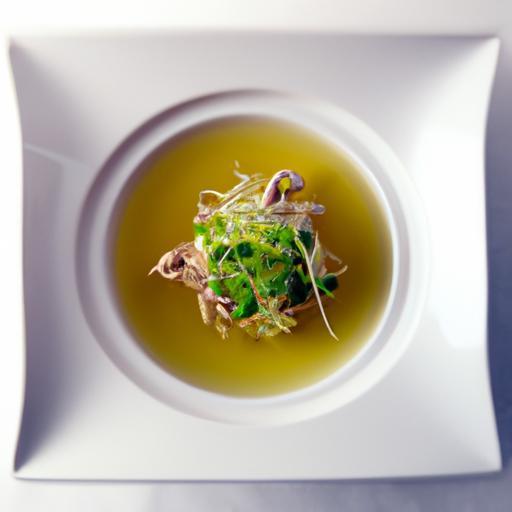

There’s a quiet magic simmering beneath the surface of a pot of broth – a transformation that turns humble bones and vegetables into a jewel-toned elixir brimming with depth and body. This alchemy, known as gelation, is what breathes life into every spoonful of perfectly rich stock, giving it a luscious texture and a flavor that clings to the palate. Unlocking gelled broth isn’t just a technique; it’s an art form that marries science and patience, inviting home cooks and chefs alike to elevate their culinary creations. In this exploration, we’ll delve into the secrets behind gelled broth-how to coax collagen from every ingredient, master the simmer, and harness this gelatinous treasure to infuse your dishes with unparalleled richness. Whether you’re a seasoned foodie or an enthusiastic beginner, prepare to embark on a flavorful journey that redefines what stock can be.
Unlocking Gelled Broth: The Art of Perfectly Rich Stock
Unlocking gelled broth begins with understanding the fascinating science that transforms simple bones and vegetables into a luxurious, nutrient-rich gelatinous stock. This culinary magic not only elevates the flavor but also creates the ideal texture-thick, silky, and deeply satisfying-perfect for soups, sauces, and spectacular dishes that resonate with tradition and depth.
Prep and Cook Time
- Preparation: 20 minutes
- Simmering: 8 to 12 hours
- Total Time: 8 hours 20 minutes to 12 hours 20 minutes
Yield
About 6 quarts (24 cups) of gelled broth
Difficulty Level
Medium – requires patience and attention but yields exceptional results
Ingredients
- 4 lbs beef bones (preferably knuckles, joints, and marrow bones for rich gelatin)
- 2 lbs chicken carcasses or chicken feet (for supplemental gelatin and flavor)
- 1 large onion, quartered, unpeeled for color
- 2 carrots, roughly chopped
- 2 celery stalks, roughly chopped
- 1 head garlic, halved horizontally
- 2 tablespoons apple cider vinegar (draws out gelatin from bones)
- 1 teaspoon whole black peppercorns
- 3 bay leaves
- Fresh thyme sprigs (about 3)
- Cold filtered water, enough to cover bones by at least 2 inches
Instructions
- Roast the bones: Preheat oven to 425°F (220°C). Place beef bones and chicken carcasses on a roasting pan. Roast for 45 minutes until deeply golden brown to develop complex flavors.
- Prepare the broth base: Transfer the roasted bones to a large stockpot. Add the onion, carrots, celery, garlic, peppercorns, bay leaves, and thyme. Pour in the apple cider vinegar and cover everything with cold filtered water by 2 inches. Let sit for 30 minutes to help extract gelatin.
- Simmer gently: Bring mixture to a very slow simmer over medium heat. Avoid boiling, which can cloud the broth and break down gelatin. Skim foam and impurities every 30 minutes for a clear, clean broth.
- Maintain a low simmer: Continue simmering for 8 to 12 hours. Slow cooking breaks down collagen from bones and connective tissues, transforming broth into a rich gel once cooled.
- Strain thoroughly: Remove bones and vegetables carefully using a slotted spoon. Pour broth through a fine-mesh sieve lined with cheesecloth to ensure smooth clarity.
- Cool and gel: Let the broth cool at room temperature for 1 hour, then refrigerate uncovered until fully gelled, typically overnight.
- Store properly: Transfer to airtight containers, leaving room for expansion, and refrigerate up to 5 days or freeze up to 3 months to preserve the broth’s quality and gelatinous texture.
Chef’s Notes
- Bone Selection Matters: Include joints, knuckles, and chicken feet for the highest gelatin yield. Marrow bones add richness, but gelatin comes chiefly from collagen-rich joints.
- Acid is Key: Always add vinegar or lemon juice before simmering to help extract gelatin and minerals from the bones.
- Low and Slow: A gentle simmer prevents emulsifying fats into the broth and avoids bitter flavors.
- Skimming Benefits: Regular skimming produces a clear stock and keeps flavors clean and delicate.
- Cooling Tips: Cooling the broth uncovered shortens refrigeration time and helps fat separate, which can then be removed for a leaner gel.
- Make-Ahead: Gelled stock freezes beautifully. Freeze in portion-sized containers or ice cube trays for easy use in sauces and soups.
- Troubleshooting: If your broth doesn’t gel, either the bones lacked enough collagen or simmer time was too short. Adding chicken feet or simmering longer can help.
Serving Suggestions
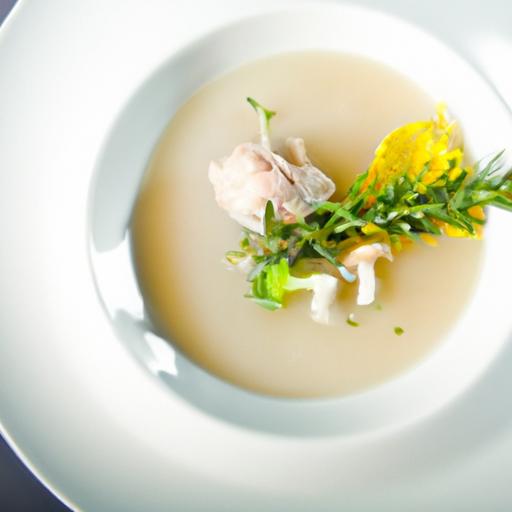
This versatile gelled broth shines as a base for hearty soups or rich stews. Chill and slice into aspics or gently melt into risottos and sauces for unparalleled mouthfeel. Garnish soups with fresh herbs like parsley or chives, a drizzle of quality olive oil, or a sprinkle of freshly cracked pepper to complement its deep flavors. For elegant presentation, serve alongside crusty artisan bread or infused with seasonal vegetables.

| Nutrient | Per 1 cup (240ml) |
|---|---|
| Calories | 45 |
| Protein | 9g |
| Carbohydrates | 0g |
| Fat | 1g |
For an in-depth guide on broth-based recipes and flavor profiles, explore our comprehensive stock bases article. To learn more about the nutritional science behind collagen and gelatin in cooking, visit NIAMS – Collagen.
Q&A
Q&A: Unlocking Gelled Broth – The Art of Perfectly Rich Stock
Q1: What exactly is gelled broth, and why does it matter?
A: Gelled broth, often mistaken for a culinary quirk, is nature’s way of showcasing a broth’s depth and richness. When cooled, a superior stock transforms into a jelly-like substance thanks to the abundant collagen extracted from bones. This gelatinous texture tells you the broth is packed with nutrients, flavor, and body-traits that elevate soups, sauces, and stews from ordinary to sublime.
Q2: How does collagen turn ordinary broth into gelled broth?
A: Collagen is the magic protein found primarily in animal bones, skin, and connective tissues. When you simmer these ingredients for hours, collagen breaks down into gelatin, a substance that thickens as it cools. This thickening is what gives gelled broth its signature “jelly” consistency-like an edible time capsule of flavor and nourishment.
Q3: Can all broths gel, or is it exclusive to certain recipes?
A: Not all broths are created equal. Broths made with plenty of bones rich in collagen-like knuckles, feet, and joints-are more likely to gel. Vegetable broths, while flavorful, generally won’t gel because plants lack collagen. For that perfect gelled broth, slow-simmering beef, chicken, or fish bones is your best bet.
Q4: How long should I simmer my stock to encourage gel formation?
A: Patience is your secret ingredient! To release ample collagen, bones need to simmer gently for 6 to 12 hours-or even longer. This slow simmer breaks down the tough connective tissues into gelatin without evaporating too much liquid or breaking down delicate flavors.
Q5: What tips ensure my broth sets into a perfect gel after cooling?
A: First, start with high-quality bones rich in connective tissues. Roast the bones beforehand for deeper flavor. Use a gentle, rolling simmer and avoid boiling, which can turn stock cloudy. Lastly, thoroughly chill your stock in the fridge-temperatures under 50°F (10°C) prompt that satisfying gel to form. Avoid disturbing the liquid while it cools to preserve clarity.
Q6: How can I use gelled broth in everyday cooking?
A: Gelled broth is a culinary treasure chest. Slice it like pate for elegant appetizers, melt it slowly to enrich risottos, or stir it back into hot soups and sauces to boost body and sheen. It also freezes beautifully, making it a convenient flavor booster ready to enliven future dishes.
Q7: Is gelled broth healthier than regular broth?
A: Absolutely! Gelled broth is packed with gelatin, amino acids, and minerals that support joint health, skin elasticity, and digestion. It’s a nourishing elixir that goes beyond flavor-offering holistic benefits while tantalizing your taste buds.
Unlocking the secret of gelled broth transforms home cooking from routine to ritual-where every spoonful celebrates the ancient art of slow-simmered goodness. So grab those bones and embark on a flavorful journey to perfect, rich stock!
Insights and Conclusions
As the final strands of gelatin melt into a velvet-rich broth, you come to realize that unlocking the secrets of gelled stock is more than just a culinary technique-it’s an invitation to craft depth, flavor, and soul in every pot. By embracing the art of patience, quality bones, and precise simmering, you transform humble ingredients into a nourishing elixir that elevates your dishes from ordinary to extraordinary. So next time you lift that shimmering gelled broth from the fridge, remember: you hold in your hands the very essence of culinary magic, ready to enrich every spoonful, stew, and sauce you create. Here’s to mastering the art of perfectly rich stock-one gelled masterpiece at a time.