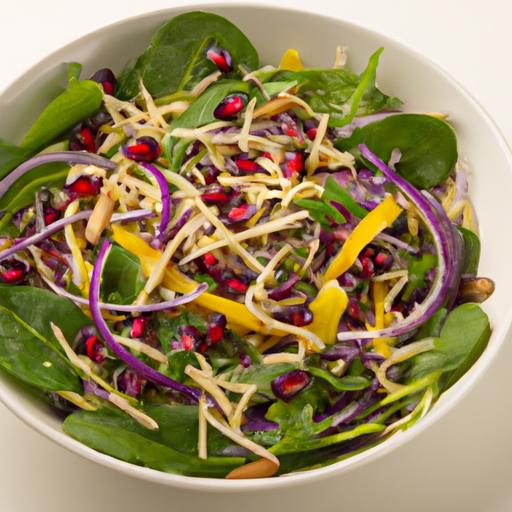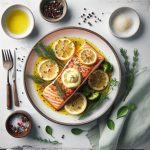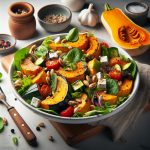

In the bustling rhythm of our daily lives, lunchtime often becomes a rushed ritual rather than a moment of mindful nourishment. Yet, what if your midday meal could do more than just satiate hunger? Imagine a lunch that not only delights your taste buds but also fuels the unseen ecosystem within you-your gut. Welcome to the vibrant world of prebiotic-rich foods, where each bite supports the beneficial bacteria that keep your digestive system in harmony and your overall health thriving. In this article, we’ll explore a selection of delicious, easy-to-make lunch recipes packed with natural prebiotics, designed to give your gut the boost it deserves. Prepare to transform your lunch break into a flavorful journey toward a happier, healthier you.
The Power of Prebiotics: Understanding Their Role in Digestive Wellness
Boost Gut Health naturally begins with embracing the ingredients that nourish your digestive system from within. Prebiotics are non-digestible fibers found in many everyday foods that serve as food for our good gut bacteria, helping maintain a balanced and thriving microbiome. By including these fiber-rich delights in your lunch, you enhance digestive wellness, improve immunity, and uplift your overall vitality with each delicious bite.
Delicious Ingredients That Naturally Enhance Gut Flora
The secret to fueling your gut flora is choosing vibrant, fresh ingredients bursting with prebiotic fibers. Some of the best choices include chicory root, garlic, onions, leeks, asparagus, bananas, and Jerusalem artichokes. These natural gifts not only offer a tasty crunch or subtle sweetness but also create an environment that stimulates beneficial bacterial growth, enriching your gut health effortlessly.
Creative Lunch Ideas Packed with Prebiotic Goodness
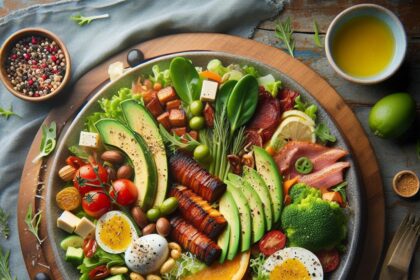
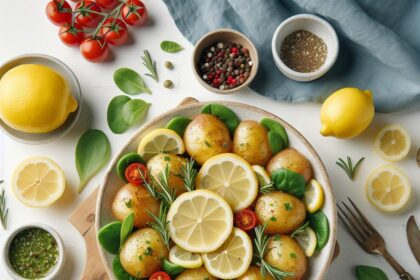
Imagine a crisp, golden roasted asparagus salad with caramelized onions, or a creamy garlic and leek soup brimming with earthy Jerusalem artichoke flavors. These recipes are designed to be approachable for any home cook while infusing your afternoon meals with the power of prebiotics. The beauty lies in the simplicity-dishes that are quick, nourishing, and irresistibly tasty will keep you inspired to eat gut-friendly foods daily.
Tips for Incorporating Prebiotic Foods Seamlessly into Your Daily Meals
Start by adding finely chopped onions or garlic into your dressings, soups, or sautés. Swap plain rice for a mixed grain bowl featuring barley and chicory root. Blend ripe bananas into smoothies or slice them atop whole-grain toasts with almond butter. The key is variety and balance-mix and match prebiotic-rich foods to keep your palate excited and your gut flourishing with every meal.
Prep and Cook Time
- Preparation: 15 minutes
- Cooking: 20 minutes
- Total Time: 35 minutes
Yield
Serves 4
Difficulty Level
Easy
Ingredients
- 1 bunch asparagus, trimmed and cut into 2-inch pieces
- 1 large leek, cleaned and sliced thinly
- 2 cloves garlic, minced
- 1 medium Jerusalem artichoke, peeled and diced
- 1 tbsp olive oil
- 1/2 cup cooked barley
- 1 tsp lemon zest
- Salt and black pepper to taste
- 1/4 cup chopped fresh parsley
- 1 tbsp apple cider vinegar
Instructions
- Preheat the oven to 400°F (200°C). Toss the asparagus and diced Jerusalem artichoke in olive oil, salt, and pepper. Spread evenly on a baking sheet and roast for 15 minutes until tender and slightly caramelized.
- Meanwhile, heat a skillet over medium heat. Add the minced garlic and sliced leek, sautéing until softened and fragrant, about 5 minutes. Stir occasionally to prevent burning.
- In a large bowl, combine the roasted veggies, sautéed leek and garlic, cooked barley, and lemon zest. Toss gently to mix all flavors well.
- Drizzle the apple cider vinegar and sprinkle chopped parsley over the salad. Adjust seasoning with salt and pepper to your preference.
- Serve immediately or chill in the refrigerator for a refreshing cold salad option later in the day.
Chef’s Notes & Tips for Success
- Substitute barley with quinoa or brown rice if gluten sensitivity is a concern.
- For an added crunch, sprinkle toasted walnuts or pumpkin seeds just before serving.
- Make ahead by roasting the veggies in advance; assemble the salad fresh to keep textures vibrant.
- Experiment with adding raw sliced bananas or a dollop of natural yogurt for extra prebiotic boost and creaminess.
- Ensure leeks are thoroughly washed to remove grit and sand before using.
Serving Suggestions
This prebiotic-rich lunch shines garnished with a few delicate microgreens and a drizzle of extra virgin olive oil. Pair it with a slice of hearty sourdough bread or a light citrus herbal tea for a full meal experience. Perfect for cozy home lunches or beautifully presented for a light office meal that supports your gut while delighting your taste buds.
| Nutrition | Per Serving |
|---|---|
| Calories | 210 kcal |
| Protein | 6 g |
| Carbs | 35 g |
| Fat | 6 g |

For more inspiration on gut-friendly meals, explore our Healthy Gut Food Recipes page and learn the science behind prebiotics at NIDDK Digestive Health.
Q&A
Q&A: Boost Gut Health with Tasty Prebiotic-Rich Lunch Recipes
Q1: What exactly are prebiotics, and why are they important for gut health?
A1: Prebiotics are a type of dietary fiber that feed the good bacteria living in your gut. Unlike probiotics, which are live beneficial bacteria, prebiotics act as fertilizer, helping those microbes thrive. A happy gut microbiome supports digestion, strengthens immunity, and even influences mood. Think of prebiotics as the secret sauce for a flourishing gut garden!
Q2: Which foods are naturally rich in prebiotics?
A2: Common prebiotic-packed ingredients include chicory root, garlic, onions, leeks, asparagus, bananas, oats, and Jerusalem artichokes. Many of these everyday foods can be creatively incorporated into lunch recipes to both satisfy your taste buds and nourish your gut.
Q3: Can you recommend some tasty lunch recipes that are rich in prebiotics?
A3: Absolutely! Try a vibrant roasted garlic and leek quinoa salad with a zesty lemon-tahini dressing, or a warm bowl of asparagus and oat risotto topped with toasted pine nuts. Another winner is a colorful wrap loaded with hummus (made from prebiotic-rich chickpeas), mixed greens, and sliced bananas for a surprising sweet twist!
Q4: How quickly can I expect to see improvements in my gut health after adding prebiotics to my diet?
A4: Gut bacteria respond fairly quickly to dietary changes. Many people notice improved digestion and regularity within a week or two, though long-term benefits like enhanced immunity and mood stabilization take consistent intake over months. The key is making prebiotic-rich meals a delicious habit rather than a one-time experiment.
Q5: Are there any precautions or side effects when increasing prebiotic intake?
A5: For most people, increasing prebiotics gradually helps avoid common side effects like gas or bloating. If you have specific digestive conditions (like IBS), it’s wise to consult a healthcare provider before making big dietary changes. Otherwise, enjoy experimenting-your gut bugs will thank you!
Q6: How can I keep my prebiotic-rich lunches interesting and flavorful?
A6: Creativity is your best friend! Combine different prebiotic ingredients with herbs, spices, and seasonal veggies. Swap grains like quinoa for bulgur or barley. Add roasted nuts or seeds for crunch, and dress everything in tangy vinaigrettes or creamy avocado blends. Eating well for your gut never has to be boring!
With these insights and recipes, boosting your gut health through tasty prebiotic-rich lunches is both easy and enjoyable. Ready to feed your inner garden? Dig in!
The Conclusion
Nourishing your gut doesn’t have to be a chore-it can be a delicious adventure! By incorporating these prebiotic-rich lunch recipes into your routine, you’re not only treating your taste buds but also giving your digestive system the love it deserves. Remember, a happy gut is the foundation of overall wellness, so why settle for bland when you can savor every bite and boost your health at the same time? Here’s to vibrant meals and a thriving gut-your body will thank you!