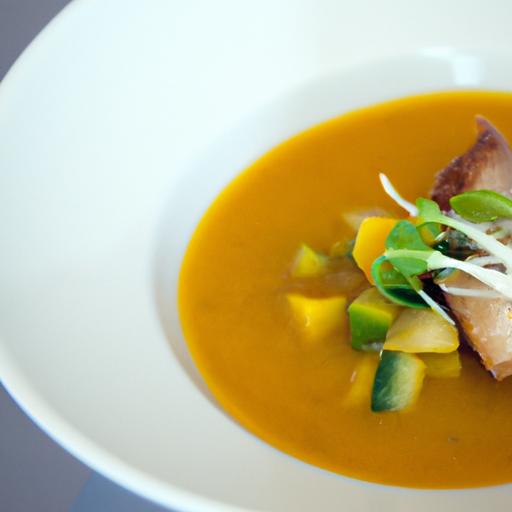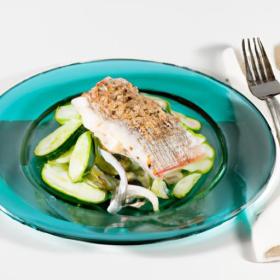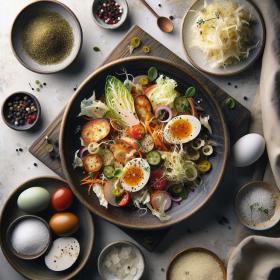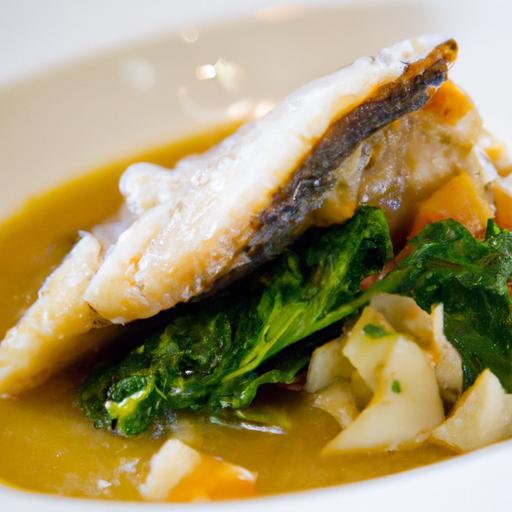

There’s a secret ingredient lurking beneath the surface of every truly memorable seafood dish-a rich, savory foundation that elevates flavors and transforms ordinary meals into culinary masterpieces. Welcome to the world of fish stock, an unsung hero that unlocks the deep, oceanic essence in your cooking. Crafting this liquid gold at home is simpler than you might think, requiring just a few humble ingredients and a bit of patience. In this article, we’ll dive into the art of making a simple, savory fish stock that will bring depth and brilliance to your soups, stews, and sauces, turning your kitchen into a flavor sanctuary. Get ready to capture the very taste of the sea with every simmer!
Unlock Flavor with a rich, balanced fish stock that serves as the foundational elixir in countless seafood dishes. This humble yet transformative broth originates from coastal culinary traditions where nothing from the catch goes to waste. Crafting the perfect fish stock requires selecting the finest ingredients and mastering gentle simmering techniques that coax out deep umami notes, melding freshness with delicate savor. Drawing from years of culinary styling and recipe development, this guide invites you to unlock the full depth of flavor hiding beneath those shimmering fish bones and aromatic roots, elevating every seafood creation.
Prep and Cook Time
- Preparation: 15 minutes
- Simmering: 30 minutes
- Total Time: 45 minutes
Yield
- About 6 cups of fish stock
Difficulty Level
- Easy to Medium
Ingredients
- 2 pounds fresh white fish bones and heads (avoid oily fish like salmon)
- 1 medium
- 1 large
- 2 stalks
- 4 cloves
- 1 small
- 1 bouquet garni
- 8 cups
- 1 teaspoon
- 5 black peppercorns
- Optional: 1 small piece kombu (dried kelp) for natural umami enhancement
Instructions
- Prepare your fish bones: Rinse under cold water to remove any residual blood or impurities. A quick blanch in boiling water for 1 minute, then immediately drain and rinse again, ensures a clearer stock.
- Build flavor foundations: In a large heavy-bottomed pot, add the prepared fish bones and heads along with cold filtered water. Cold water is key as it encourages gentle extraction of flavors.
- Add aromatics and simmer gently: Add the onion, carrot, celery, garlic, leek, bouquet garni, salt, and peppercorns to the pot. If using kombu, add it now. Bring to a very gentle simmer over medium heat-avoid boiling as it will cloud the stock and extract bitterness.
- Skimming is essential: For the first 15 minutes, carefully skim off any foam or scum that rises to the surface. This keeps your stock clear and pure in flavor.
- Simmer for 25-30 minutes: Maintain a low simmer; cooking any longer may extract bitter flavors from the bones. Keep the liquid just moving gently.
- Strain the stock: Use a fine-mesh sieve lined with cheesecloth to remove solids, resulting in a crystal-clear broth. Avoid pressing down on solids to prevent clouding.
- Cool rapidly and store: Transfer the strained stock into shallow containers to cool quickly. Refrigerate for up to 2 days or freeze in portions for up to 3 months to preserve the intense umami and freshness.
Chef’s Notes: Tips for Success
- Always use fresh fish bones from non-oily species like cod, haddock, or snapper to keep the flavor clean and bright.
- The secret to unlocking flavor lies in the gentle simmer-boiling breaks proteins and cloudies the stock.
- Do not add salt excessively before reducing the stock further in recipes; start light and adjust later.
- For a vegetarian layer of umami, kombu can be soaked in the water beforehand and removed before simmering bones.
- Freeze the stock in ice cube trays for easy single-serving portions, perfect for impromptu cooking.
Serving Suggestions
Use your homemade fish stock as the luminous base for bouillabaisse, seafood risottos, or delicate poaching liquids that pull all the flavors together. Garnish with fresh dill, chives, or a sprinkle of smoked paprika to enhance its natural brightness. For a warming bowl, ladle the stock over gently cooked shellfish and finish with a drizzle of high-quality olive oil and a squeeze of fresh lemon.

| Nutrient | Per 1 cup (240 ml) |
|---|---|
| Calories | 40 |
| Protein | 8 g |
| Carbohydrates | 2 g |
| Fat | 0.5 g |
For more flavor unlocking techniques and seafood recipes, see our Seafood Masterclass. Also, explore expert fish stock guidelines from the Serious Eats fish stock resource.
Q&A
Q&A: Unlock Flavor – Crafting Simple, Savory Fish Stock at Home
Q: Why should I make my own fish stock instead of buying ready-made?
A: Homemade fish stock bursts with fresh, natural umami that store-bought versions often lack. By crafting it yourself, you control the quality and avoid preservatives, resulting in a richer, deeper flavor foundation for your seafood dishes.
Q: What types of fish are best for making fish stock?
A: Use fish bones and heads from non-oily, white fish like cod, sole, halibut, or snapper. Avoid oily fish such as salmon or mackerel because their strong flavors and oils can make the stock bitter or cloudy.
Q: Can I use leftover fish parts from a fillet?
A: Absolutely! Fish frames, heads, tails, and even trimmings are perfect for stock. Just make sure to rinse them well to remove any blood or impurities.
Q: What aromatics and veggies should I include for savory depth?
A: Classic aromatics like onion, celery, and carrot are your best friends. Add a touch of garlic, fresh parsley, a bay leaf, and a few peppercorns for complexity. Avoid strong herbs like rosemary or thyme, which can overpower delicate fish flavors.
Q: How long should I simmer my fish stock?
A: Keep it short and sweet-about 20 to 30 minutes. Prolonged cooking can turn your stock bitter and cloudy. Gentle simmering extracts the flavor without breaking down the bones too much.
Q: Should I add salt during cooking?
A: It’s best to wait until you use the stock in your recipe to salt it. This keeps the stock versatile and prevents it from becoming overly salty as it reduces.
Q: How do I strain the stock for the best clarity and flavor?
A: Use a fine-mesh sieve lined with cheesecloth or a clean kitchen towel. This will catch any tiny bone fragments and sediment, yielding a clear, smooth stock.
Q: Can I freeze fish stock for later use?
A: Yes! Fish stock freezes wonderfully. Portion it into ice cube trays for easy single servings, or freeze in airtight containers. It keeps well for up to 3 months.
Q: What dishes benefit most from homemade fish stock?
A: Think beyond simple soups-use it in seafood risottos, bouillabaisse, chowders, or to enhance steamed shellfish. The stock adds layers of flavor that elevate everyday meals into something extraordinary.
Q: Any expert tips for unlocking maximum flavor?
A: Keep everything fresh and cold until cooking to prevent off-flavors. Avoid boiling-gentle simmering is key. And always taste as you go; your taste buds are the best guide to crafting a beautifully savory fish stock.
Enjoy the art of turning humble fish scraps into a treasure trove of flavor-unlocking culinary magic with every simmer!
Key Takeaways
As the last simmering bubbles settle and your kitchen fills with the rich, inviting aroma of homemade fish stock, you’ll realize that unlocking flavor doesn’t require complexity-just a little patience and fresh ingredients. Crafting this simple, savory base at home not only elevates your seafood dishes but also transforms everyday meals into culinary stories worth savoring. So next time you reach for a broth, remember: the true secret to bold, delicious flavor lies just beneath the surface, waiting for you to unlock it from your own pot. Happy cooking!