
In the quiet rhythm of our nightly slumber lies the secret to waking brighter, sharper, and more inspired. Imagine if the foods on your plate could do more than just fill you up-if they could gently cradle your dreams and fuel the very memories that shape your life. Welcome to the fascinating world of “Feeding Dreams: Foods That Boost Sleep and Memory Power,” where science meets the art of nourishment. This article will explore how certain delicious ingredients don’t just satisfy hunger but also enhance the quality of your sleep and sharpen your cognitive edge, turning every meal into an investment in your brain’s health and your mind’s vitality. So, get ready to discover the edible allies that can help you dream deeply and remember vividly.
Nutritious Slumber Bowl: A Sleep-Memory Powerhouse Meal
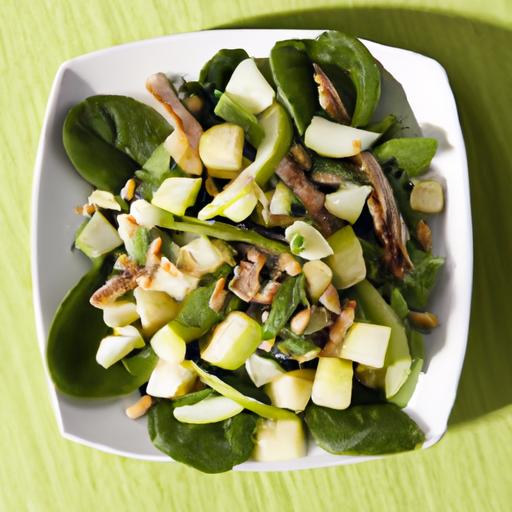
Feeding Dreams: Foods That Boost Sleep and Memory Power isn’t just a poetic phrase-it’s a delicious, vibrant reality you can create on your plate. Inspired by Mediterranean and Asian nutrition wisdom, this Nutritious Slumber Bowl blends ingredients scientifically linked to both cognitive enhancement and restful sleep. Enjoy the creamy textures of avocado and Greek yogurt, the brain-boosting omega-3 from walnuts, and the natural sleep-inducing magnesium-rich spinach, all united by a calming herbal green tea dressing. This bowl is a perfect harmony of flavor and function, designed for those who want to nourish their mind while embracing a peaceful night.
Prep and Cook Time
Preparation: 15 minutes
Cooking: 10 minutes
Total Time: 25 minutes
Yield
Serves 2
Difficulty Level
Easy
Ingredients
- 2 cups fresh spinach, roughly chopped
- 1 medium avocado, sliced
- 1/2 cup Greek yogurt, plain and creamy
- 1/4 cup walnuts, lightly toasted and chopped
- 1/2 cup cooked quinoa, cooled
- 1 small cucumber, diced
- 1 tablespoon chia seeds
- 1 teaspoon raw honey
- 1/2 teaspoon ground turmeric
- 1/4 teaspoon black pepper
- Green tea infusion (brewed strong and cooled, about 1/4 cup)
- 1 teaspoon lemon juice
- Pinch of sea salt
Instructions
- Prepare the green tea dressing: In a small bowl, whisk together the green tea infusion, lemon juice, raw honey, turmeric, black pepper, and a pinch of sea salt until well combined. This dressing harnesses polyphenols and anti-inflammatory powers to support brain function.
- Toast walnuts: Heat a dry skillet over medium heat and toast walnuts for 3-4 minutes until fragrant, stirring frequently to avoid burning. Set aside to cool.
- Assemble the bowl: In a medium bowl, place the cooked quinoa as the base. Top with chopped spinach, diced cucumber, sliced avocado, and dollops of Greek yogurt.
- Sprinkle chia seeds: Evenly scatter chia seeds and toasted walnuts over the top of the assembled ingredients, adding that extra dose of omega-3 and fiber.
- Drizzle and serve: Pour the green tea dressing gently over the bowl and toss lightly or serve as is to preserve individual textures and flavors.
Tips for Success
- For added protein, replace quinoa with cooked lentils or chickpeas.
- If you’re sensitive to turmeric’s peppery warmth, start with 1/4 teaspoon and gradually increase.
- Make ahead by prepping quinoa and dressing the night before for quicker assembly at bedtime.
- For a dairy-free variation, substitute Greek yogurt with coconut yogurt.
- Gently warming the dressing before serving can enhance turmeric’s active compounds, but avoid high heat to preserve the honey’s enzymes.
Serving Suggestions
Serve this brain-boosting bowl in shallow ceramic dishes that showcase the vivid green spinach and creamy avocado slices. Garnish with a few sprigs of fresh mint or lemon balm leaves, both known for their calming effects. Pair with a chamomile or lavender herbal tea to further deepen the sleep-enhancing benefits. Enjoy as a nourishing evening snack or a light dinner that calms the mind and primes you for restorative sleep.

| Nutrient | Per Serving |
|---|---|
| Calories | 370 kcal |
| Protein | 14 g |
| Carbohydrates | 30 g |
| Fat | 22 g |
| Magnesium | 120 mg (30% DV) |
Explore more sleep-enhancing recipes and nutritional strategies in our Brain Foods for Sleep collection. For deeper scientific insights on the nutrition-sleep-memory nexus, visit the National Institutes of Health.
Q&A
Q&A: Feeding Dreams – Foods That Boost Sleep and Memory Power
Q1: Can what I eat really affect how well I sleep?
Absolutely! The foods you consume influence your brain chemistry and hormones, which are key players in falling asleep and staying asleep. Nutrients like magnesium, tryptophan, and melatonin-rich foods can gently coax your body into restful slumber.
Q2: Which foods are the ultimate dream boosters for better sleep?
Think of foods like almonds, tart cherries, kiwi, and warm milk as your nighttime allies. Almonds offer magnesium, known for calming nerves; tart cherries contain natural melatonin; kiwi’s antioxidants promote sleep quality; and milk has tryptophan, a precursor for the sleep hormone serotonin.
Q3: Is there a magical connection between sleep and memory?
Yes, indeed. During sleep, especially the deep stages, your brain consolidates memories and processes information from the day. Eating foods that improve sleep quality thus indirectly supercharge your memory and cognitive function.
Q4: Which memory-enhancing foods also help with sleep?
Blueberries, walnuts, and fatty fish like salmon are great choices. Blueberries are packed with antioxidants that protect brain cells, walnuts provide omega-3s key for neural communication, and salmon combines omega-3s with vitamin D, supportive of healthy sleep patterns.
Q5: Should I avoid certain foods before bedtime to protect my dreams?
Steer clear of heavy, spicy, or caffeine-laden foods close to bedtime. These can disrupt your sleep cycle and keep your mind racing, making dreams harder to catch. Opt for light, nutrient-dense snacks that invite calmness instead.
Q6: Can a bedtime snack actually enhance my memory the next day?
Yes! A small snack rich in complex carbohydrates and protein-like a slice of whole-grain toast with almond butter-not only stabilizes blood sugar but feeds your brain substrates to support overnight memory consolidation.
Q7: How quickly can changing my diet improve my sleep and memory?
While some people notice better sleep the very next night after eating sleep-friendly foods, consistent changes over days to weeks solidify improvements in both sleep quality and memory retention. Patience + good nutrition = sweet dreams and sharp minds!
Q8: Any creative tips for incorporating dream-friendly foods into my daily routine?
Try blending a cherry-kiwi smoothie for an afternoon pick-me-up, sprinkling walnuts on your morning oatmeal, or ending your day with a warm cup of chamomile tea and a handful of almonds. Making these habits fun and tasty keeps your sleep and memory fueled naturally!
Feeding your body wisely is feeding your dreams too-unlock better sleep and sharper memory by making every bite count. Sweet dreams!
Final Thoughts
As the curtain falls on our journey through the world of sleep-boosting and memory-enhancing foods, it’s clear that the path to sharper minds and restful nights might be found on our plates. By embracing nature’s delicious offerings-whether it’s the calming embrace of chamomile, the deep nourishment of walnuts, or the brain-boosting punch of blueberries-we nourish not just our bodies but the very essence of our dreams and recollections. So, the next time you sit down to eat, remember: you’re feeding more than hunger. You’re fueling the dreams that carry you through the night and powering the memories that shape your days. Sweet sleep and sharp minds, it turns out, are just a bite away.