
Imagine a vibrant dinner plate where every bite bursts with flavor and nourishment, a feast that not only delights your taste buds but also powers your body with the incredible benefits of omega-3s. Welcome to “Omega-3 Feast: Delicious Dinners to Boost Your Health,” where culinary creativity meets nutritional wisdom. In this article, we’ll explore mouthwatering recipes rich in these essential fatty acids-known for their heart-healing, brain-boosting, and inflammation-fighting properties-that transform everyday meals into a celebration of wellness. Get ready to savor dinners that do more than satisfy hunger; they invigorate your health from the inside out.
Crafting Nutrient-Packed Dinners: Incorporating Omega-3 Rich Ingredients to Elevate Your Meals
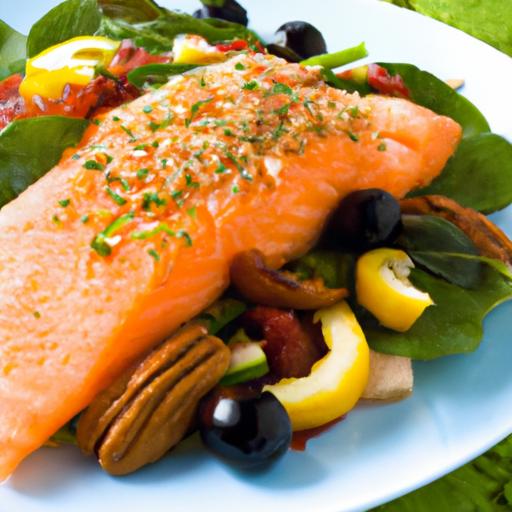
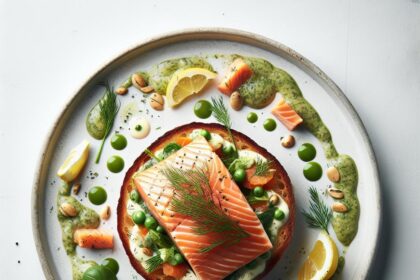
Omega-3 Feast enthusiasts know that blending these powerhouse nutrients into every dinner not only bolsters health but transforms ordinary meals into vibrant culinary experiences. Whether you’re savoring tender salmon or indulging in creamy avocado and chia seed salads, the magic lies in how these omega-3 rich foods harmonize flavors and textures on your plate.
Prep and Cook Time
- Preparation: 15 minutes
- Cooking: 20 minutes
- Total Time: 35 minutes
Yield
- Serves 4 generously
Difficulty Level
- Easy to Medium
Ingredients
- 4 wild-caught salmon fillets (6 oz each)
- 2 tbsp extra-virgin olive oil
- 1 tbsp freshly squeezed lemon juice
- 1 tsp smoked paprika
- Salt and freshly ground black pepper to taste
- 1 cup quinoa, rinsed
- 2 cups water or vegetable broth
- 1 avocado, diced
- 1/4 cup toasted walnuts, chopped
- 2 tbsp chia seeds
- Fresh parsley for garnish
Instructions
- Preheat your oven to 400°F (200°C). Place salmon fillets on a parchment-lined baking sheet.
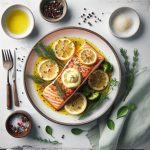
- Drizzle olive oil and lemon juice over the salmon. Sprinkle with smoked paprika, salt, and pepper evenly.
- Bake salmon for 12-15 minutes, depending on thickness, until it flakes easily with a fork and turns opaque. Watch closely to avoid drying out.
- While salmon cooks, prepare quinoa: Bring water or vegetable broth to a boil in a medium saucepan.
- Add rinsed quinoa, reduce heat to low, cover, and simmer for about 15 minutes until water is absorbed.
- Remove quinoa from heat and fluff gently with a fork. Stir in diced avocado, toasted walnuts, and chia seeds for that satisfying crunch and omega-3 boost.
- To serve, plate the quinoa salad as a bed and nestle the warm salmon fillets on top.
- Garnish with freshly chopped parsley for an herbaceous pop of freshness and vibrant color.
Chef’s Notes: Tips for Success
- Substitution: Swap walnuts for flaxseeds or hemp seeds to vary texture and omega-3 profiles.
- Make-Ahead: Cook quinoa in advance and keep chilled. Add avocado just before serving to prevent browning.
- Maximize Absorption: Pair omega-3 rich foods with vitamin E sources like nuts and seeds-you get a winning combo that supports better absorption.
- Salmon Alternative: Use mackerel or sardines for bolder flavors and similar omega-3 content.
- Prevent Dryness: Keep salmon moist by marinating briefly in lemon and olive oil before baking.
Serving Suggestions
Present this beautiful omega-3 infused plate with a crisp side of lightly steamed asparagus or roasted Brussels sprouts to introduce more fiber and vitamins. A tangy cucumber and dill yogurt sauce on the side brightens every bite and complements the richness of the fish. Finish with a wedge of lemon for guests to squeeze fresh juice over their plates, enhancing the lively citrus notes embedded in the dish.

| Nutrient | Per Serving |
|---|---|
| Calories | 520 kcal |
| Protein | 38 g |
| Carbohydrates | 30 g |
| Fat | 28 g (Mostly Omega-3) |
For more inspiration on omega-3 rich meals, check out our Healthy Seafood Recipes. Explore the science behind omega-3 benefits at the Harvard T.H. Chan School of Public Health.
Q&A
Q&A: Omega-3 Feast: Delicious Dinners to Boost Your Health
Q1: What exactly are omega-3 fatty acids, and why should I care?
A1: Omega-3s are essential fats that our bodies can’t produce on their own, so we must get them from food. They’re little superheroes for your heart, brain, and joints-helping reduce inflammation, improve brain function, and support overall well-being. Think of omega-3s as your body’s natural tune-up crew, keeping everything running smoothly.
Q2: Which foods are the best sources of omega-3s for dinner dishes?
A2: The classics like salmon, mackerel, sardines, and trout lead the pack with rich omega-3 content. Vegetarian options include chia seeds, flaxseeds, walnuts, and algae-based supplements. Incorporating these into your evening meals turns your dinner plate into a health-boosting powerhouse.
Q3: How can I make omega-3-rich dinners both tasty and nutritious?
A3: Herbs, spices, and fresh veggies are your flavor allies. Try marinating salmon in citrus and dill, tossing walnuts into a kale salad, or blending flaxseeds into a vibrant pesto. The secret is balancing bold flavors with wholesome ingredients, making each bite a nutrient-packed delight.
Q4: Are there any easy omega-3 dinner recipes for beginners?
A4: Absolutely! Start with a simple grilled salmon with a side of roasted Brussels sprouts, or a hearty lentil and walnut stew. These dishes require minimal prep but pack a punch in flavor and omega-3 content-perfect for those dipping their toes into healthy cooking.
Q5: Can omega-3s help with specific health issues?
A5: Yes! Studies show omega-3s may support cardiovascular health, reduce symptoms of depression, improve eye health, and even ease arthritis-related joint pain. Incorporating omega-3 dinners regularly could be a delicious way to nurture your health.
Q6: How often should I eat omega-3 rich meals?
A6: Aim for two to three servings a week of fatty fish or equivalent plant-based sources. This frequency strikes a sweet spot for boosting your omega-3 levels without overwhelming the palate-or the grocery bill.
Q7: Any tips to keep omega-3s intact during cooking?
A7: Keep cooking methods gentle-think baking, steaming, and grilling at moderate temperatures. Avoid deep-frying or charring, as excessive heat can degrade those precious fats. When in doubt, fresh and lightly cooked is the way to go!
Q8: Can I get enough omega-3s from plant sources alone?
A8: While plant sources offer ALA (a type of omega-3), the body must convert it into EPA and DHA, which are more beneficial and commonly found in fish. Conversion rates can be low, so if you’re vegetarian or vegan, consider algae-based supplements to ensure you’re covered.
Q9: How does an omega-3 rich dinner affect my mood?
A9: Omega-3s are linked to better brain health and may help regulate mood by supporting neurotransmitter function. Regular omega-3 meals might just make your evenings-and mornings-a bit brighter.
Q10: Where do I start on this omega-3 feast journey?
A10: Start small and savor the flavors. Pick one omega-3 rich recipe each week, experiment with spices and sides, and watch how delicious health can be. Soon, your dinner table will be a vibrant celebration of wellness and taste!
In Retrospect
As you embark on your omega-3 feast journey, remember that nourishing your body doesn’t have to be a chore-it can be a delight. By inviting these delicious, nutrient-packed dinners onto your table, you’re not just satisfying your taste buds; you’re fueling your heart, brain, and overall vitality. So go ahead, experiment with vibrant salmon, crunchy flaxseed, and creamy walnuts-each bite a step toward a healthier you. Here’s to meals that heal, flavors that excite, and a life enriched with the power of omega-3!