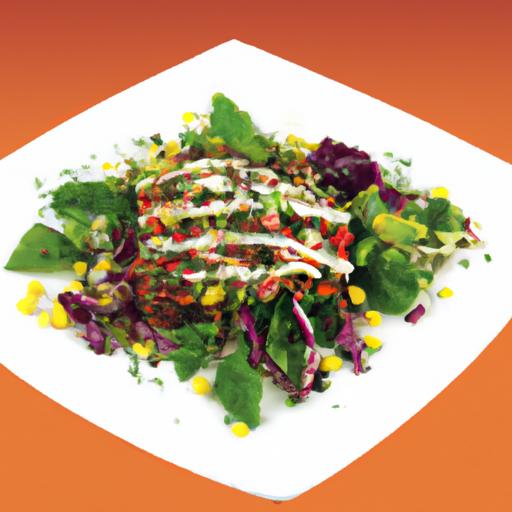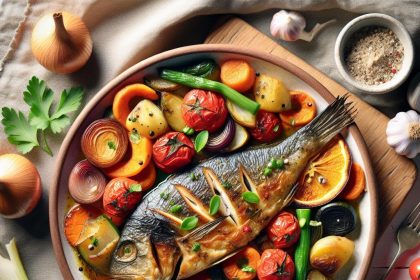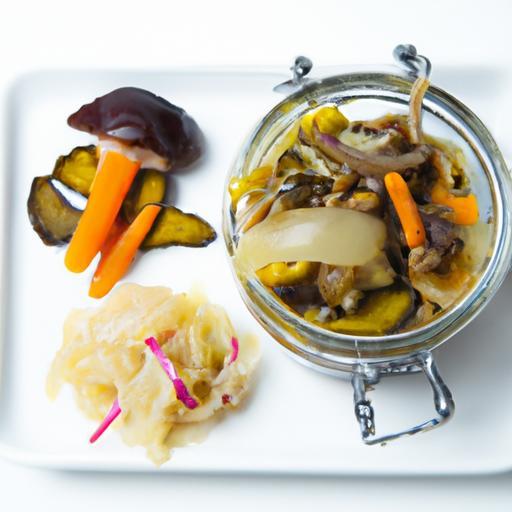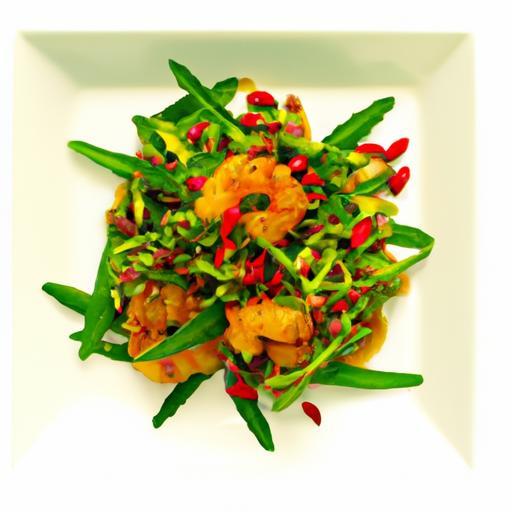

In the world of clean eating and vibrant veggies, even the most devoted home cooks encounter a kitchen mishap or two. Perhaps the kale salad turned bitter, or your homemade quinoa loaf ended up a little… well, less than appetizing. But here’s the secret: every culinary stumble is a stepping stone to delicious discovery. When healthy recipes fail, it’s not the end of the road-it’s an invitation to get creative, learn, and bounce back with flavor and flair. This article will guide you through turning those kitchen flops into fresh opportunities to enjoy wholesome food without losing your zest. Ready to transform your next healthy cooking challenge into a tasty triumph? Let’s dive in!
When Healthy Recipes Fail: How to Bounce Back Deliciously
When healthy recipes fail, it doesn’t mean your meal is doomed to blandness or frustration. In fact, this is the perfect moment to reimagine flavor, rescue the dish, and learn creative ingredient swaps that bring wholesome meals back to life with flair. Whether you’re dealing with a dry texture, lackluster seasoning, or missing the wow factor, this guide will help you turn setbacks into fresh culinary triumphs-with motivation that keeps your kitchen experiments exciting and rewarding.
Prep and Cook Time
- Prep Time: 15 minutes
- Cook Time: 20 minutes
- Total Time: 35 minutes
Yield
Serves 4 generous portions
Difficulty Level
Easy
Ingredients
- 1 cup cooked quinoa, cooled
- 2 medium zucchinis, spiralized or thinly sliced
- 1 cup cherry tomatoes, halved
- 1 small red onion, finely chopped
- 2 cloves garlic, minced
- 1 tbsp extra virgin olive oil
- 1 tbsp balsamic vinegar
- 1/4 cup fresh basil leaves, chopped
- 1/4 cup toasted pine nuts
- Salt and black pepper to taste
- Optional: 1/4 cup crumbled feta or nutritional yeast for vegan option
Instructions
- Prepare zucchini noodles: Using a spiralizer or vegetable peeler, transform zucchinis into noodles or thin ribbons. Lightly salt and set aside in a colander to release excess moisture, pressing gently after 10 minutes.
- Sauté aromatics: In a large non-stick skillet, warm olive oil over medium heat. Add chopped onion and sauté until translucent and fragrant, about 3 minutes. Stir in garlic and cook an additional 1 minute, being careful not to burn.
- Add tomatoes: Toss in cherry tomatoes and cook for 3-4 minutes, stirring occasionally, until they soften and start releasing juices, building a natural sauce.
- Combine quinoa and zucchini noodles: Stir in the cooked quinoa, then gently fold in the zucchini noodles. Cook for another 3 minutes, stirring occasionally until the zucchini softens slightly but retains some bite.
- Season and finish: Remove from heat. Stir in fresh basil, balsamic vinegar, pine nuts, and season generously with black pepper and salt. If using, sprinkle crumbled feta or nutritional yeast for added umami and creaminess.
- Serve immediately: Plate warm for a bright, refreshing meal that blends wholesome ingredients with bold, layered flavors.
Chef’s Notes: Tips for Success
- Texture rescue: If your dish feels too dry, a splash of vegetable broth or a drizzle of extra olive oil can add moisture without disrupting healthy intentions.
- Flavor boost: Swap balsamic vinegar with a squeeze of fresh lemon juice or a dash of smoked paprika for smoky complexity.
- Ingredient swaps: Try swapping quinoa with farro or bulgur wheat for different textures, or replace pine nuts with toasted walnuts or almonds.
- Make-ahead tips: Prepare the quinoa and zucchini noodles separately, then combine and warm gently right before serving to avoid sogginess.
- Season well: Under-seasoning is the most common pitfall in healthy cooking. Taste and adjust the salt and acid to brighten all the flavors.
Serving Suggestions
This vibrant, nutrient-packed dish shines on its own as a light lunch or side. Garnish with fresh basil leaves and a sprinkle of chili flakes for added warmth. For a heartier option, serve alongside grilled lemon chicken or roasted tofu. A crisp green salad with a tangy citrus dressing elevates the meal to a satisfying, balanced feast.

| Nutrient | Per Serving |
|---|---|
| Calories | 280 kcal |
| Protein | 8 g |
| Carbohydrates | 35 g |
| Fat | 10 g |
Reimagine Flavor with Confidence
When healthy recipes fail, reinventing flavor is your secret weapon. Embrace herbs, zesty acids, and texture contrasts to breathe new life into every dish. Avoid the dread of bland meals by experimenting with spice blends or topping your creations with crunchy seeds or nuts. Remember, a recipe is a canvas-not a rulebook-allowing you to bounce back deliciously every time.
For more inspiration on ingredient swaps and flavor hacks, check our Complete Guide to Healthy Ingredient Substitutions or visit EatRight.org for expert nutrition advice.
Q&A
Q&A: When Healthy Recipes Fail: How to Bounce Back Deliciously
Q1: Why do healthy recipes sometimes fail despite careful preparation?
A1: Even the freshest ingredients, well-intended recipes, and precise measurements can result in a culinary flop. Several factors play a role-oven temperature quirks, ingredient substitutions, or unfamiliar cooking techniques. Plus, “healthy” sometimes means less fat or sugar, which can affect texture and flavor, leaving your dish less than stellar.
Q2: What’s the first step when a healthy dish doesn’t turn out as expected?
A2: Don’t panic or toss it immediately! Assess what went wrong-is it the texture, taste, or appearance? Sometimes a quick tweak, like seasoning adjustment or adding a contrasting element (think crunchy topping or a drizzle of olive oil), can transform a bland meal into a delight.
Q3: How can I creatively salvage an overcooked or under-seasoned healthy recipe?
A3: Get inventive! Overcooked veggies can become the base for soups or sauces. Under-seasoned grains might burst to life with a dash of herbs, citrus zest, or a spoonful of nut butter. The key is to think beyond the plate you initially intended and pivot gracefully.
Q4: Is it okay to use a little “unhealthy” ingredient to improve a failed healthy recipe?
A4: Absolutely! A splash of cream, a sprinkle of cheese, or a hint of honey can rescue a dish without derailing your overall nutrition goals. Balance is about nourishing your body and your soul-sometimes a small indulgence brings back joy and flavor.
Q5: What mindset helps bounce back after a recipe failure?
A5: Treat every cooking mishap as a tasty lesson rather than a defeat. The kitchen is a playground for exploration, and each trial sharpens your skills. Stay curious, keep experimenting, and remember: even expert chefs have their “kitchen disasters.”
Q6: Can failing in the kitchen lead to better healthy eating habits?
A6: Definitely! Failure pushes you to understand flavors, textures, and what truly satisfies you. Over time, you learn to adapt recipes to your taste buds and lifestyle, making healthy eating more enjoyable and sustainable.
Q7: What are some quick fixes or backup plans for when healthy cooking flops?
A7: Keep staples like hummus, nuts, whole-grain wraps, or pre-washed salad greens on hand. They’re quick to assemble into a delicious meal or snack. Also, embrace smoothies or hearty bowls-they’re forgiving and versatile rescue options.
Q8: How can sharing cooking failures positively impact my journey?
A8: Sharing mishaps can spark laughter, support, and helpful tips from your community-be it friends, family, or online groups. It reminds us we’re all human in the kitchen and that the journey to delicious, healthy meals is shared and joyful.
Key Takeaways
In the ever-evolving journey of healthy cooking, moments of culinary misadventure are not just inevitable-they’re invaluable. When healthy recipes fail, they invite us to pause, reflect, and innovate, turning what seems like a setback into a delicious comeback. Embracing these kitchen flops with curiosity and a sprinkle of creativity transforms every stumble into a stepping stone toward mastering nutritious meals that truly satisfy. So, next time your smoothie curdles or your quinoa turns into a soggy mess, remember: it’s not the end of your healthy eating adventure-it’s simply the beginning of a tastier, wiser, and more resilient you. Keep chopping, keep tasting, and above all, keep savoring the journey.