
Imagine a centuries-old superdrink bubbling quietly in your refrigerator, teeming with microscopic warriors ready to support your health from the inside out. This ancient elixir, known as kefir, is much more than a tangy, effervescent beverage-it’s a vibrant ecosystem of probiotic strains that unlock powerful benefits for digestion, immunity, and overall well-being. In this article, we’ll journey into the fascinating world inside kefir grains, unveiling the key probiotic strains that make kefir a truly remarkable ally in your quest for a healthier life. Prepare to discover the microbial magic behind one of nature’s most potent fermented treasures.
Unlocking Kefir’s Power: Key Probiotic Strains Inside
Unlocking kefir’s power begins with understanding the microbial champions that transform this creamy, tangy beverage into a potent ally for your health. This traditional fermented drink, originating from the Caucasus Mountains, boasts a unique symphony of probiotic strains-chiefly Lactobacillus and Bifidobacterium-which work harmoniously to boost digestion, immunity, and overall vitality. Whether you’re a fermented foods enthusiast or new to gut-friendly nourishment, exploring the science behind kefir’s probiotic magic will inspire your next delicious, wholesome creation.
Prep and Cook Time
- Preparation: 5 minutes
- Fermentation Time: 24-48 hours
- Total Time: 1-2 days
Yield
Approximately 1 quart (4 servings)
Difficulty Level
Easy – perfect for beginners and pros alike
Ingredients
- 1 tablespoon kefir grains (fresh or dried, sourced from a trusted supplier)
- 4 cups whole milk (preferably organic for richer fermentation)
- Optional: 1 tablespoon raw honey or maple syrup (for light sweetness)
- Optional: Fresh fruit or vanilla bean for flavor infusion
Instructions
- Prepare the container: Use a clean, non-metallic bowl or jar to avoid damaging the kefir grains.
- Add milk and kefir grains: Pour 4 cups whole milk into the container and gently stir in 1 tablespoon kefir grains.
- Cover and ferment: Seal with breathable cloth or loosely with a lid to allow gases to escape and let it sit at room temperature (68-75°F) for 24 to 48 hours.
- Check fermentation: After 24 hours, the milk should have thickened and developed a tangy aroma, indicating the active presence of Lactobacillus and Bifidobacterium cultures. If you prefer a stronger fermentation, allow to continue up to 48 hours.
- Strain the kefir: Gently strain the kefir grains using a plastic or stainless-steel sieve. Reserve the grains to start your next batch.
- Optional sweetening and flavoring: Stir in honey or maple syrup and fresh fruit if desired. Keep refrigerated and consume within 7 days to preserve maximum probiotic potency.
Tips for Success
- Milk selection matters: Whole milk encourages richer kefir with more probiotics; however, goat or sheep milk works beautifully for varied flavors.
- Temperature control: Fermentation too warm may speed up sourness; too cold, and it slows. Aim for steady room temperature for best results.
- Reuse your grains: Thrive by rinsing kefir grains gently with filtered water occasionally, never in chlorinated tap water.
- Flavor infusions: Add a vanilla bean or soak dried fruit in the jar for subtle, natural sweetness without compromising probiotics.
- Storage guidance: Refrigerate strained kefir in airtight containers to maintain probiotic potency and fresh flavor.
Serving Suggestions
Serve your homemade kefir chilled as a refreshing probiotic shot or jazz it up:
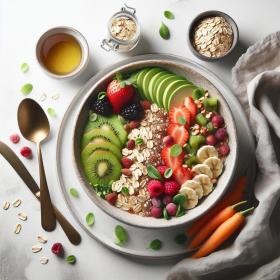
- Blend with fresh berries, banana, and a spoonful of chia seeds for a healing smoothie bowl.
- Mix into overnight oats for a gut-friendly breakfast boost with a creamy texture.
- Use as a base for salad dressings or marinades to introduce a tangy depth bursting with live cultures.
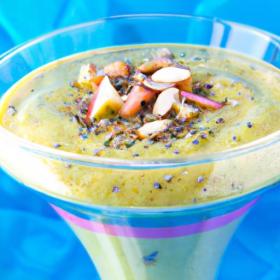
- Garnish with crushed toasted almonds, a sprinkle of cinnamon, or fresh mint leaves for visual and flavor appeal.

| Nutrient | Per 1 cup (240 ml) |
|---|---|
| Calories | 150 |
| Protein | 8 g |
| Carbohydrates | 12 g |
| Fat | 8 g |
For more on fermented foods and their incredible benefits, check out our Fermentation Basics Guide. To explore the science behind probiotics further, visit the National Institutes of Health probiotic overview.
Q&A
Q&A: Unlocking Kefir’s Power – Key Probiotic Strains Inside
Q1: What makes kefir different from other probiotic foods?
A1: Unlike many probiotic foods that rely on a single or a few strains of bacteria, kefir is a living symphony of microbes. It boasts a diverse community of yeasts, lactic acid bacteria, and even beneficial fungi, all working together to create a tangy, effervescent drink bursting with health benefits. This complexity sets kefir apart, making it a powerhouse probiotic.
Q2: Which probiotic strains are the stars inside kefir?
A2: At the heart of kefir’s magic are strains like Lactobacillus kefiranofaciens, famed for producing kefiran-a unique polysaccharide that boosts immunity and gut health. Then there’s Lactobacillus kefiri, known for its ability to combat harmful bacteria. Also prominent are beneficial yeasts like Saccharomyces kefir, which aid digestion and enhance the gut environment. Together, these strains orchestrate kefir’s health-enhancing properties.
Q3: How do these probiotic strains actually benefit our health?
A3: These microbes work on multiple fronts. They help balance the gut microbiota, improve digestion, reduce inflammation, and even support mental well-being through the gut-brain axis. Some strains produce antimicrobial substances that fend off pathogens, while others strengthen the intestinal lining, preventing leaky gut. The result is a holistic boost to your digestive and immune systems.
Q4: Can homemade and store-bought kefir have different probiotic profiles?
A4: Absolutely! Homemade kefir, cultivated using traditional kefir grains, usually contains a richer, more diverse microbial population than many commercial varieties. Store-bought kefir might be pasteurized or filtered, which can reduce probiotic diversity and potency. For the fullest probiotic punch, homemade kefir or brands that specify live and active cultures are best.
Q5: How can I incorporate kefir into my diet to maximize these probiotic benefits?
A5: Drinking a small glass daily is a great start! Kefir’s versatility lets you blend it into smoothies, drizzle over cereal, or use it as a base for salad dressings and dips. Just remember to start slowly if you’re new to probiotics to let your gut adjust, and enjoy the gradual unlocking of kefir’s remarkable health gifts.
Q6: Is there research backing the probiotic claims of kefir’s strains?
A6: Yes! Scientific studies increasingly affirm kefir’s potential, highlighting how its strains help lower cholesterol, improve lactose digestion, modulate immune responses, and even exhibit anti-cancer properties. While research is ongoing, kefir’s probiotic strains stand among the most promising allies in functional nutrition.
Q7: What should I look for on labels to identify high-quality kefir rich in probiotics?
A7: Look for terms like “live and active cultures,” “unfiltered,” and “no added preservatives.” Some brands specify the strains present-an excellent sign of transparency. Avoid products with excessive sugars or artificial additives, as these can offset kefir’s benefits. The best kefir is vibrant, slightly fizzy, and tangy-a sign those microbes are thriving.
With its complex and robust probiotic ecosystem, kefir isn’t just a health fad-it’s a timeless tonic. By unlocking its powerful strains, you invite a vibrant, balanced gut and a healthier you. Cheers to kefir’s microscopic heroes!
Final Thoughts
As we’ve journeyed through the microscopic world within kefir, it becomes clear that this tangy elixir is far more than a simple fermented drink. Packed with a dynamic cast of probiotic strains-each playing its unique role in fostering gut health, boosting immunity, and revitalizing digestion-kefir stands as a powerhouse of natural wellness. Unlocking the secrets of these key microbes not only deepens our appreciation for this ancient tonic but also empowers us to harness its full potential. So next time you savor a sip of kefir, remember: you’re inviting a symphony of beneficial bacteria to nurture your body from the inside out. Cheers to health, one probiotic strain at a time!