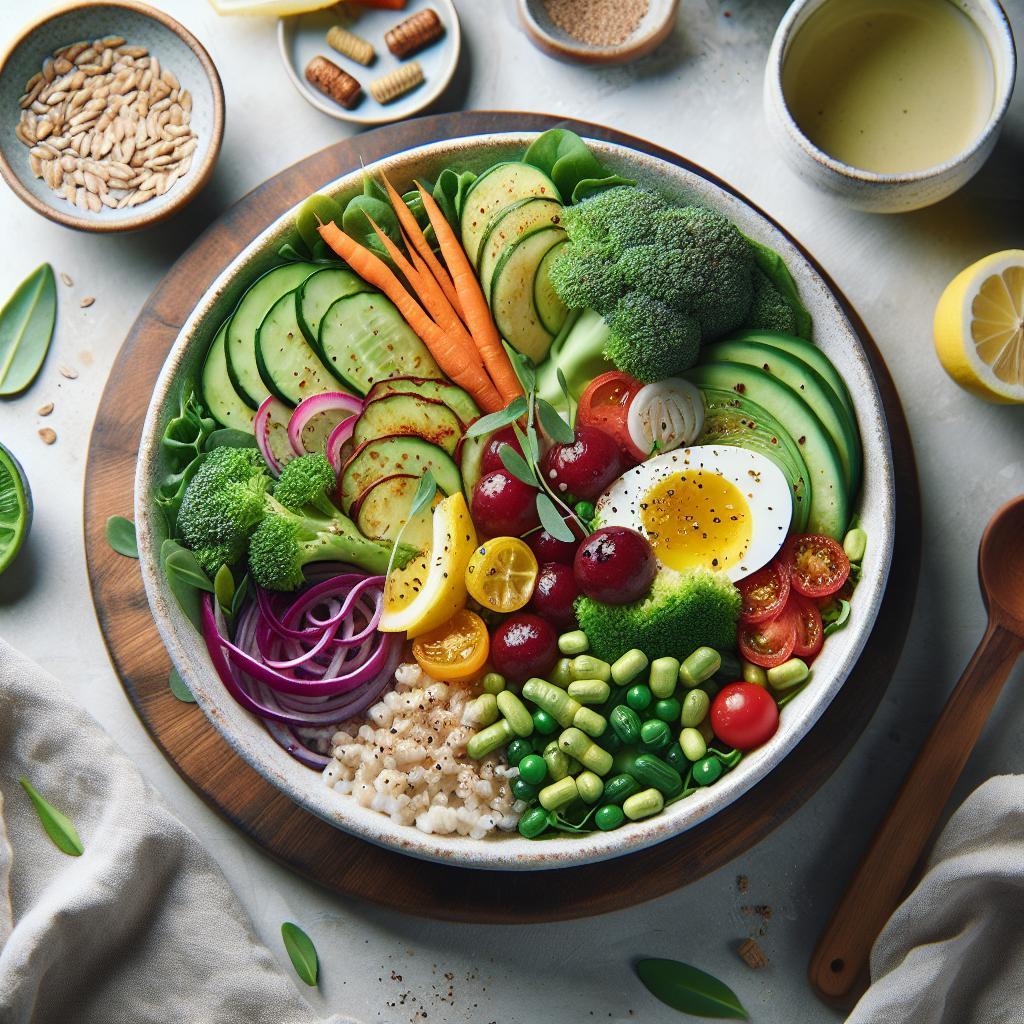

Imagine turning your gut into a bustling metropolis of happy, hardworking microbes-each with a unique role in digesting your food, bolstering your immunity, and even influencing your mood. Now, picture a single group of dietary compounds as the city planners, capable of either fostering harmony or triggering chaos within this microscopic community. Welcome to the intriguing world of prebiotic foods and their complex relationship with Irritable Bowel Syndrome (IBS). Are these fiber-rich ingredients your gut’s best friends, or could they be the silent culprits behind your discomfort? In this article, we unravel the science behind prebiotics and IBS, exploring whether they serve as triggers or healers in the delicate ecosystem of your digestive health.
Prebiotic foods play a pivotal role in nurturing the delicate balance of your gut microbiota, especially for those managing IBS symptoms. Harnessing the power of these gut-friendly fibers can transform digestive challenges into soothing wellness, turning your meals into healing experiences. As we explore how to incorporate prebiotic foods thoughtfully and deliciously, you’ll discover vibrant, gut-loving ingredients that can either soothe or stimulate your IBS symptoms, depending on their nature and portion.
Prep and Cook Time
Preparation: 15 minutes | Cook: 20 minutes | Total: 35 minutes
Yield
Serves 4 generous portions
Difficulty Level
Easy to Medium – Perfect for enthusiasts eager to gently support their digestive health with every bite.
Ingredients
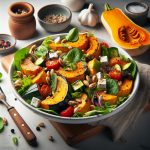
- 1 cup cooked quinoa, cooled (a gentle prebiotic-rich grain alternative)
- 1 cup diced sweet potato (soothing, low-FODMAP prebiotic)
- 1 cup chopped kale, stems removed and leaves torn
- 1/2 cup sliced carrots (rich in prebiotic fibers and vitamins)
- 2 tbsp extra virgin olive oil for sautéing
- 1 tsp grated fresh ginger (helps calm digestion)
- 1 tbsp chopped fresh parsley (for fresh herbal notes)
- Salt and freshly ground black pepper to taste
- Optional: 1/4 cup chopped walnuts (check tolerance, if IBS allows)
- Juice of half a lemon
Instructions
- Prepare the sweet potato: Peel and dice the sweet potato into small cubes. Boil or steam until fork-tender, about 10 minutes. Drain and set aside to cool slightly.
- Wilt the kale: Heat 1 tbsp olive oil over medium heat in a large skillet. Add the chopped kale and sauté gently until just wilted, roughly 3-4 minutes. Season lightly with salt. Remove kale and set aside.
- Sauté the carrots and ginger: In the same skillet, add remaining olive oil. Toss in sliced carrots and grated ginger, cooking until the carrots are tender but still have some bite, about 5 minutes. Stir occasionally to prevent sticking.
- Combine the ingredients: In a large mixing bowl, combine cooked quinoa, sautéed kale, sweet potato cubes, and cooked carrots with ginger. Toss gently to combine.
- Add finishing touches: Stir in fresh parsley, lemon juice, and optional walnuts if using. Season to taste with additional salt and pepper.
- Serve warm or chilled: This dish is perfect as a light main course or a hearty side and can be enjoyed warm or cooled for a refreshing salad variation.
Chef’s Notes: Tips for Success
- Sweet potatoes are a fantastic source of gentle prebiotics, but if you find them triggers IBS, substitute with peeled zucchini for a lower-FODMAP alternative.
- Ginger aids digestion and adds warmth, but feel free to adjust the quantity to your taste or IBS tolerance.
- Kale offers fiber and micronutrients but can be harsh when raw; steaming or lightly sautéing softens its texture and improves digestibility.
- Quinoa is a gluten-free grain with prebiotic potential-rinse thoroughly before cooking to remove saponins that can cause bitterness.
- For a vegan protein boost, add some cooked chickpeas in small portions if tolerated, but monitor any IBS response carefully.
Serving Suggestions
This quinoa, sweet potato, and kale blend shines beautifully served atop a bed of mixed greens or alongside grilled fish or chicken for a gut-healing, balanced plate. Garnish with a sprinkle of toasted pumpkin seeds or a light drizzle of tahini sauce for subtle nutty depth. Pair with a soothing herbal tea like peppermint or chamomile to round out your digestive-friendly meal.

| Nutrient | Amount per Serving |
|---|---|
| Calories | 280 kcal |
| Protein | 7 g |
| Carbohydrates | 45 g |
| Fat | 7 g |
| Fiber | 6 g |
For deeper insights on pairing prebiotic foods with your gut-friendly lifestyle, check out our Low FODMAP Recipe Collection, and for scientific background on prebiotics, visit the National Institute of Diabetes and Digestive and Kidney Diseases.
Q&A
Q&A: Prebiotic Foods and IBS – Trigger or Gut Healer?
Q1: What exactly are prebiotic foods?
A1: Prebiotic foods are dietary fibers and compounds that feed the beneficial bacteria in your gut. Think of them as the favorite snacks for your gut microbiome, promoting a healthy environment where good bacteria can thrive.
Q2: How do prebiotic foods affect people with IBS?
A2: Ah, the million-dollar question! Prebiotics can be a double-edged sword for those with Irritable Bowel Syndrome (IBS). While they nourish good gut bacteria, they might also ferment quickly in the gut, sometimes causing gas, bloating, and discomfort – classic IBS symptoms.
Q3: Does that mean prebiotic foods trigger IBS symptoms?
A3: Not necessarily. It depends on the type of prebiotic and the individual’s unique digestive system. Some prebiotics may exacerbate symptoms, while others might actually improve gut health and ease IBS in the long run.
Q4: Which prebiotic foods tend to be better tolerated by IBS sufferers?
A4: Foods like oats, bananas, and kiwi often receive thumbs up due to their gentle prebiotic fibers. On the flip side, items rich in inulin and fructooligosaccharides-like garlic, onions, and chicory root-may trigger symptoms more easily in sensitive individuals.
Q5: So, should people with IBS avoid all prebiotic foods?
A5: Absolutely not! Avoidance isn’t the answer. The key is personalized experimentation and mindful portion control, sometimes with guidance from a dietitian. Slowly introducing prebiotic foods helps your gut adapt without overwhelming it.
Q6: Can prebiotic supplements help or harm IBS?
A6: Supplementing can be beneficial if approached cautiously. However, high doses of prebiotic supplements might provoke IBS symptoms. It’s wise to start small and monitor your body’s response closely.
Q7: Are there other gut-healing foods or habits IBS sufferers should consider?
A7: Yes! Incorporating probiotic-rich foods like yogurt and fermented vegetables, managing stress, staying hydrated, and eating a balanced diet can all complement prebiotic intake and support a happy gut.
Q8: Bottom line-are prebiotic foods friends or foes for IBS?
A8: They can be both. Prebiotic foods hold the promise of healing your gut microbiome but can act as unwelcome triggers if introduced abruptly or in large amounts. With patience and personalized care, they often transform from foes to friends on your IBS journey.
The Conclusion
In the intricate dance of digestive health, prebiotic foods play a nuanced role-sometimes a gentle healer, other times an unpredictable trigger for those with IBS. Understanding your own gut’s rhythm and responses is key to unlocking the benefits these foods can offer. While prebiotics hold the promise of nurturing a thriving microbiome, mindful incorporation and personalized guidance remain essential. As science continues to unravel the complexity of our inner ecosystems, one thing remains clear: your gut health story is uniquely yours, and with knowledge and care, prebiotics can become an empowering chapter rather than a stumbling block.