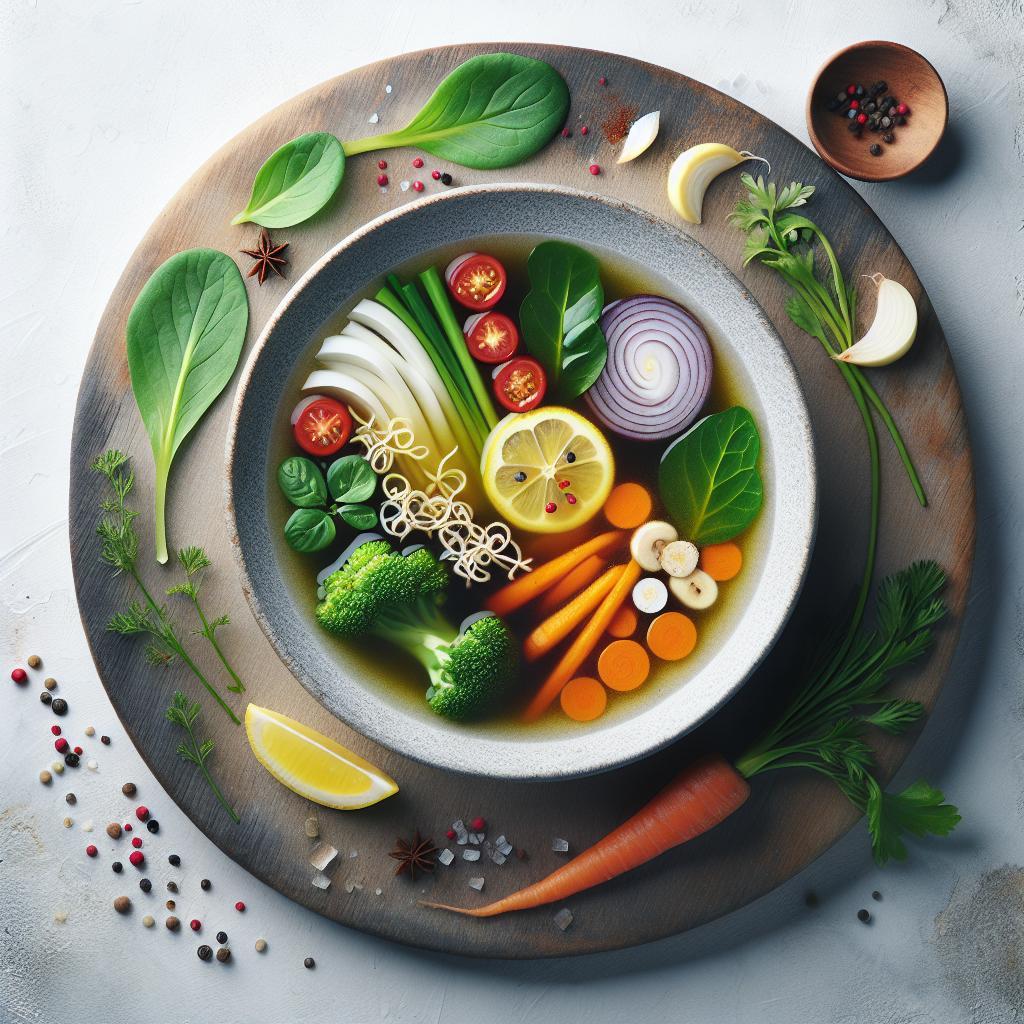

There’s nothing quite like the comforting aroma of a simmering broth promising warmth and rich flavor. But what happens when that hopeful pot takes a salty turn, tipping the scales toward an overpowering bite? An overly salty broth can quickly overshadow your carefully chosen ingredients, leaving your dish unbalanced and your taste buds overwhelmed. Fear not, culinary explorers! Whether it’s a pinch too many or a sudden reduction mishap, mastering the art of fixing an overly salty broth is easier than you think. In this article, we’ll dive into simple, effective tips and tricks to tame that salty sea and restore harmony to your kitchen creation-so every spoonful sings with perfectly balanced flavor.
Fixing Overly Salty Broth: Tips to Balance Flavor Perfectly
Fixing overly salty broth is a culinary art that every home cook and professional chef encounters at some point. Whether it’s due to miscalculated seasoning, premature addition of salt, or concentrated evaporation during simmering, salt can quickly overpower the subtle, comforting essence of a well-made broth. Understanding why broth becomes too salty and learning how to restore its balance without sacrificing depth of flavor is essential for turning that salty mishap into a delicious success.
Prep and Cook Time
- Preparation Time: 10 minutes
- Adjusting and Cooking Time: 20-30 minutes
Yield
Approximately 6 servings of perfectly balanced broth
Difficulty Level
Easy to Medium – Perfect for beginners and experienced cooks alike
Ingredients
- 1 quart overly salty broth (chicken, beef, vegetable, or fish)
- 1-2 large peeled potatoes (for salt absorption)
- 2 cups water or unsalted stock (to dilute)
- 1 medium carrot (adds natural sweetness)
- 1 small onion (diced)
- 1 bay leaf
- 1 tsp sugar or honey (optional, to soften sharp saltiness)
- Juice of half a lemon (to brighten flavor)
- Fresh herbs (parsley, thyme, or cilantro) for garnish
Instructions
- Assess the Saltiness: Taste the broth carefully. Note its salt intensity to guide your dilution and softening strategy.
- Prepare Absorbing Vegetables: Peel and cut the potatoes into large chunks. Add to the broth along with the carrot and diced onion. These vegetables will naturally absorb some salt while imparting subtle sweetness.
- Dilute the Broth: Gently pour in the water or unsalted stock. Start with 1 cup, taste, and add more if necessary to reduce saltiness without watering down flavor too much.
- Add Aromatics and Simmer: Toss the bay leaf into the pot. Simmer the broth gently over low heat for 20 minutes, allowing flavors to mellow and blend. Avoid a hard boil to preserve broth clarity.
- Remove Vegetables and Adjust Taste: Remove the potato, carrot, onion, and bay leaf using a slotted spoon. Taste the broth and add a teaspoon of sugar or honey if the salt feels harsh-this will round out sharp edges.
- Brighten with Citrus: Stir in fresh lemon juice gradually. The acidity will enhance depth and distract from residual saltiness.
- Final Seasoning & Serve: Reheat briefly if needed. Garnish with finely chopped fresh herbs to add an inviting layer of freshness. Serve hot as the base for soups, stews, or sipping broth.
Tips for Success
- Use a raw potato: It’s an underrated fix! Potatoes soak up excess salt effectively but don’t cook them so long that they disintegrate and cloud the broth.
- Avoid rushing the dilution: Add water or unsalted stock slowly, tasting after every addition to prevent loss of flavor.
- Honey or sugar: A tiny amount completes the flavor balance, but remember less is more to avoid turning your broth sweet.
- Preventive measure: Season lightly during initial broth prep and adjust salt near the end to maintain control.
- Freeze leftover broth: Once balanced, broth can be frozen in portions for convenient future use without worrying about over-salting again.
Serving Suggestions
For a heartwarming experience, serve the refined broth with delicate homemade noodles or steamed dumplings. A sprinkle of vibrant chopped scallions or a drizzle of chili oil adds exciting texture and spice. For an elegant presentation, ladle broth into rustic bowls, garnishing with fresh herbs and freshly cracked black pepper. This broth shines as a nourishing starter or as a comforting drink on cold days, inviting its drinker to savor every well-balanced sip.

Preventive Measures for Perfectly Seasoned Broth Every Time
To avoid the need for fixing overly salty broth, start by measuring salt meticulously. Use kosher salt or finishing salts with care, as their saltiness levels can vary. Always season gently at the beginning and adjust the salt only when your broth has fully developed flavors, preferably near the end of cooking. Incorporate low-sodium ingredients and unsalted stocks as your base, and reserve additional salt for final adjustments after the broth has cooled slightly and you can better gauge the true salt concentration. Keeping a jar of fresh herbs and acidic elements like lemon or vinegar in your pantry will prepare you for quick flavor corrections, ensuring broth perfection with minimal effort.
| Nutritional Info (per 1 cup) | Calories | Protein | Carbohydrates | Fat |
|---|---|---|---|---|
| Balanced Broth | 40 | 3g | 6g | 1g |
For more tips on mastering broth and soups, check out our Mastering Soups and Stocks guide. For in-depth science behind salt and flavor interaction, visit Serious Eats.
Q&A
Q&A: Fixing Overly Salty Broth – Tips to Balance Flavor Perfectly
Q1: Why does my broth end up too salty?
A1: Over-salting can happen if you add too much salt initially, use salty ingredients like soy sauce or bouillon cubes without adjusting, or reduce the broth too much, concentrating the salt. Sometimes, a recipe’s salt recommendation might not match your taste or the saltiness of your other ingredients.
Q2: How can I fix broth that tastes too salty?
A2: Don’t panic! There are several tricks to dial down excess salt. Try diluting the broth with unsalted water, unsalted broth, or even low-sodium stock. You can also add a peeled potato and let it simmer; potatoes can absorb some saltiness. Another idea is to toss in cooked rice, pasta, or bread to soak up salty liquid. Finally, a splash of acid like lemon juice or vinegar can help balance the flavors.
Q3: Will adding water dilute the flavor too much?
A3: Adding water will reduce salt concentration but might also weaken the overall flavor. To maintain richness, add water gradually and taste as you go. You can enhance the broth after dilution with herbs, spices, or umami boosters like mushrooms or tomato paste to rebuild complexity.
Q4: Can sugar really help fix salty broth?
A4: A tiny pinch of sugar or honey can counterbalance salt’s sharpness by adding subtle sweetness, creating a more harmonious flavor profile. Use sparingly to avoid turning your broth sweet – just a little tweak can make a big difference.
Q5: What about dairy-can milk or cream help?
A5: Yes! Adding some cream, coconut milk, or unsweetened yogurt can mellow the saltiness thanks to their fat content, which softens sharp flavors. This works best for creamy or dairy-friendly soups rather than clear broths.
Q6: Is it possible to avoid over-salting in the first place?
A6: Definitely. Season gradually, tasting as you cook. Remember, it’s easier to add salt later than to fix too much. Use low-sodium or no-salt-added ingredients when possible, and be cautious with salty condiments. Also, keep in mind that broth reduces as it simmers, concentrating salt and other flavors-so add seasoning in stages.
Q7: Are there any creative hacks to fix salty broth?
A7: For adventurous cooks, try adding a splash of acidic liquids like apple cider vinegar or a squeeze of citrus to brighten and balance saltiness. Fresh herbs or a smidgen of grated ginger can also refresh the broth’s palate. If nothing else works, use the broth as a base for a new soup or stew-bulk it with veggies and unsalted liquids to spread out the saltiness.
With these tips, turning an overly salty broth into a perfectly balanced, comforting bowl is easier than you think! Happy cooking and tasting!
Final Thoughts
In the intricate dance of flavors that make up a perfect broth, salt is both a partner and a challenge. When the balance tips too far, that salty bite can overpower all the subtle nuances you’ve worked so hard to achieve. But fear not-fixing an overly salty broth is less of a culinary catastrophe and more of an opportunity to sharpen your kitchen intuition. With a handful of simple tricks-adding starchy ingredients, diluting with unsalted liquid, or brightening with acid-you can gently nudge your broth back toward harmony. So next time your pot leans a little too heavily on salt, remember: with patience and these thoughtful adjustments, you can transform a salty stumble into a savory success. Here’s to broth that sings with flavor, perfectly framed by just the right pinch of salt.