
In a world where every calorie counts and hunger pangs often derail even the best-laid nutrition plans, mastering the art of satiety is more than just a wellness buzzword-it’s a game changer. Enter the understated hero of fullness: small amounts of fat. Far from being a dietary villain, these modest fats play a clever role in turning simple meals into satisfying experiences that keep cravings at bay. This article dives into the smart, science-backed ways to boost satiety by harnessing the power of tiny fat doses, helping you enjoy lasting contentment with every bite-without tipping the calorie scales. Ready to discover how a little fat goes a long way? Let’s dig in.
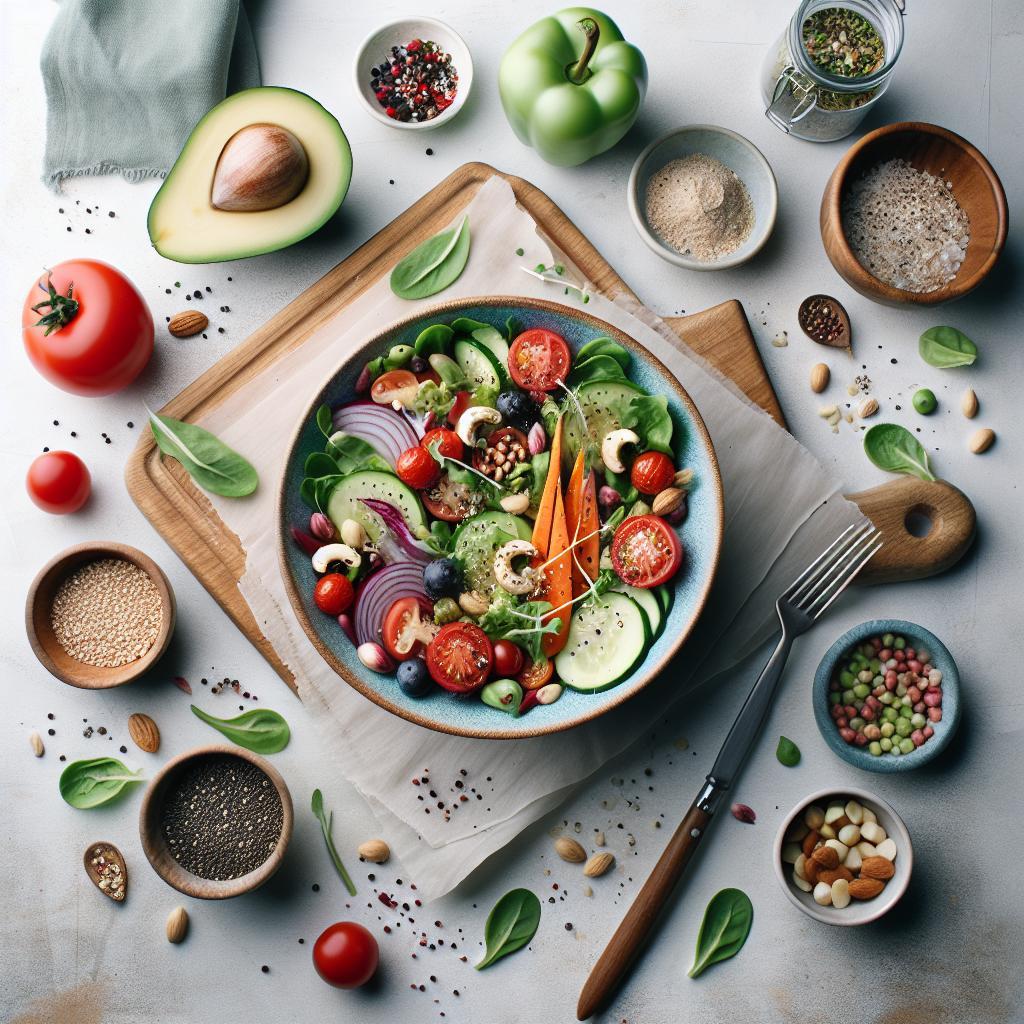
Boost Satiety: Smart Ways to Use Small Fat Amounts unlocks the secret behind how modest portions of fats can dramatically enhance fullness signals, leaving you satisfied longer without tipping the calorie scale. By thoughtfully selecting healthy fats such as extra virgin olive oil, ripe avocados, nuts, and seeds, you introduce nourishing elements that stimulate hormones involved in satiety. This approach transforms your meals into gratifying experiences where every bite counts.
Prep and Cook Time
Preparation: 10 minutes
Cooking: 15 minutes
Total Time: 25 minutes
Yield
Serves 2 hearty portions
Difficulty Level
Easy
Ingredients
- 1 tablespoon extra virgin olive oil
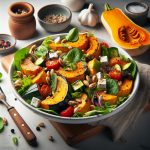
- 1 medium ripe avocado, peeled and diced
- 2 cups mixed baby greens (arugula, spinach, and kale)
- 1/4 cup toasted walnuts, chopped
- 1/4 cup crumbled feta cheese
- 1/2 cup cooked quinoa, cooled
- 1 small lemon, juiced
- 1 teaspoon Dijon mustard
- Salt and freshly ground black pepper to taste
- Optional: fresh herbs like parsley or basil for garnish
Instructions
- Whisk together the lemon juice, Dijon mustard, and salt and pepper in a small bowl to make a vibrant, light dressing. Slowly drizzle in the extra virgin olive oil, whisking continuously to emulsify the dressing. This gentle incorporation of healthy fat intensifies flavors and supports optimal satiety.
- In a large bowl, toss the mixed baby greens with the cooked quinoa and diced avocado. The quinoa provides slow-release carbs, while creamy avocado adds smooth texture and beneficial monounsaturated fats.
- Add the toasted walnuts and crumbled feta cheese, tossing gently to distribute evenly. The nuts inject crunch and polyunsaturated fats, enhancing meal satisfaction, while feta balances saltiness.
- Pour the dressing over the salad and toss to coat all ingredients evenly, allowing the fats to meld beautifully with the fresh produce and grains.
- Serve immediately, garnished with fresh herbs if desired. This ensures each forkful bursts with layered textures and flavors, helping to curb hunger effectively.
Chef’s Notes
- If you prefer a nut-free version, substitute walnuts with pumpkin seeds or skip the nuts entirely to fit allergies.
- For a vegan adaptation, replace feta cheese with crumbled tofu or omit cheese and add nutritional yeast for a savory punch.
- To boost omega-3 intake, sprinkle 1 tablespoon of ground flaxseeds over the salad just before serving.
- Make-ahead tip: Prepare the quinoa and dressing up to two days in advance; keep separately refrigerated and combine fresh along with avocado and greens just before eating to avoid sogginess.
Serving Suggestions
Plate this salad in rustic ceramic bowls to highlight its vibrant colors. Drizzle a little extra virgin olive oil on top for sheen and freshness. Pair it with a slice of crusty whole-grain bread or a light grilled chicken breast for extra protein. Garnish with a lemon wedge on the side to allow diners to adjust acidity to their liking, creating an inviting dining experience that feels both nourishing and decadent.
| Nutrition per Serving | Amount |
|---|---|
| Calories | 420 kcal |
| Protein | 12 g |
| Carbohydrates | 30 g |
| Fat | 28 g |

For further insights on balancing fats and nutrition, explore our collection of heart-healthy fat recipes. To deepen your understanding of fat’s role in satiety, the Harvard Health Blog offers excellent, research-backed advice.
Q&A
Q&A: Boost Satiety – Smart Ways to Use Small Fat Amounts
Q1: Why should I consider adding small amounts of fat to my meals?
A: Fat is a powerful nutrient that slows digestion and helps you feel full longer. Even tiny amounts can boost satiety, reduce overeating, and keep those pesky hunger pangs at bay, making your meals more satisfying overall.
Q2: Isn’t fat bad for me? Shouldn’t I avoid it?
A: Not all fat is the enemy! Healthy fats-like those from olive oil, nuts, avocados, and fatty fish-are essential for brain health, hormone production, and nutrient absorption. Using small amounts strategically can enhance your diet without tipping the calorie scale.
Q3: How can I incorporate small fats into my meals without overdoing it?
A: Try adding a teaspoon of extra virgin olive oil to your salad, a sprinkle of chopped nuts on oatmeal, or a few slices of avocado on toast. These minimal additions pack a flavor punch and keep your meals interesting while boosting fullness.
Q4: Can small fats improve blood sugar control and energy levels?
A: Absolutely! Fat slows the absorption of carbohydrates, helping to stabilize blood sugar spikes. This steady energy release keeps you feeling energized and focused, avoiding the rollercoaster of quick highs and crashes.
Q5: Are there any smart fat combos that maximize satiety?
A: Pair fats with fiber-rich foods like veggies or whole grains. For example, drizzle a little olive oil over steamed broccoli or top quinoa with a handful of nuts. This combo creates a winning duo that fills you up and nourishes your body efficiently.
Q6: What’s a simple daily habit to start boosting satiety with small fats?
A: Begin your morning with a small handful of walnuts or a dollop of nut butter stirred into yogurt. This tiny ritual can set a balanced tone for your day, curbing mid-morning hunger and helping maintain mindful portion control.
Q7: Any tips for mindful fat usage in cooking?
A: Measure fats rather than pouring freely. Use small spoons or a spray bottle for oils to keep portions in check. Remember, a little goes a long way-think of fats as seasoning your meal for fullness and flavor.
Small fat amounts are mighty friends in the journey toward lasting fullness and balanced meals. With a pinch of creativity, you can harness their power smartly and deliciously!
Key Takeaways
In the quest for lasting fullness, small amounts of the right fats emerge as surprisingly powerful allies. By thoughtfully incorporating these nutrient-packed helpers into your meals, you can satisfy hunger, stabilize blood sugar, and elevate flavor-all without tipping the scales. Remember, it’s not about the quantity, but the quality and balance that turn fats into smart satiety boosters. Embrace these tiny yet mighty additions, and watch as your appetite finds harmony, leaving you energized and content until your next bite.