
There’s an alchemy hidden in the kitchen, where humble bones and fragrant vegetables simmer quietly, transforming water into something magical: a gelled broth. This culinary treasure is the secret behind soups that comfort, sauces that sing, and stews that satisfy deep cravings. But achieving that perfect, silky stock texture isn’t just luck-it’s a science and an art combined. In this article, we’ll unlock the mysteries of gelled broth, guiding you through the essential steps and insider tips to master the stock that sets your cooking apart. Prepare to elevate your kitchen craft and awaken your senses with every spoonful.
Unlocking Gelled Broth: Master the Perfect Stock Texture
Unlocking gelled broth is both an art and a science, turning humble kitchen bones and water into a translucent, savory treasure bursting with body and flavor. This magical transformation occurs when collagen is expertly extracted – creating a nourishing gel that boasts a rich mouthfeel and visual appeal unmatched by ordinary stock. Understanding how to coax this collagen out and turn it into a beautifully gelled broth invites deeper appreciation for this age-old culinary technique.
Prep and Cook Time
- Preparation: 20 minutes
- Cooking: 8 to 12 hours (slow simmer)
- Total Time: Approximately 9 to 12 hours
Yield
- About 6 quarts (serves 12 as a base for soups, sauces, or aspics)
Difficulty Level
- Medium: Requires patience and attention to detail but yields exceptional results.
Ingredients
- 8 pounds beef or veal bones (preferably knuckles, shanks, and feet for high collagen)
- 2 large onions, halved, skin-on for color
- 2 carrots, cut into chunks
- 2 celery stalks, cut into chunks
- 4 garlic cloves, smashed
- 1 tablespoon black peppercorns
- 2 bay leaves
- 1/4 cup apple cider vinegar (acts as a catalyst for collagen release)
- Cold water to cover bones (about 16 cups)
- Fresh herbs (thyme, parsley stems), tied in a bouquet garni (optional)
Instructions
- Roast the bones: Preheat your oven to 450°F (230°C). Spread the bones on a large baking sheet, roast until deep golden brown and fragrant, about 35-45 minutes, turning halfway to color evenly. This adds depth and body to your gelled broth.
- Prepare vegetables: While bones roast, roughly chop onions, carrots, and celery. Leave the onion skin on; it enhances broth color naturally.
- Combine in stockpot: Transfer roasted bones to a large stockpot. Add vegetables, garlic, peppercorns, bay leaves, bouquet garni, and apple cider vinegar. Pour in enough cold water to cover by 1-2 inches.
- Slowly bring to a simmer: Set pot over medium heat, slowly heating the liquid until small bubbles start appearing (do NOT boil aggressively). Skim off any scum or foam rising to the surface every 15-20 minutes – this ensures a clear stock.
- Maintain simmer and cook: Reduce heat to low and maintain a gentle simmer. Cook uncovered for 8 to 12 hours; the long cook releases maximum collagen and flavors. Add water if level drops below bones to keep them submerged.
- Strain carefully: Remove pot from heat. Using a fine-mesh sieve lined with cheesecloth, strain broth into a large bowl or another pot. Discard solids.
- Cool and refrigerate: Let broth cool slightly, then refrigerate for at least 8 hours or overnight. The fat will solidify on top and broth will gel beautifully if collagen extraction was successful.
- Remove fat cap: Lift off the solidified fat carefully with a spoon. Your rich, gelled broth is now ready to use or store.
Chef’s Notes
- Selecting bones: For optimal gelation, bones rich in collagen are essential. Beef knuckles, joints, and marrow bones are ideal. Adding chicken feet or pork trotters can boost gel quality in mixed stocks.
- Apple cider vinegar: Its acidity gently breaks down collagen, improving extraction. Allow bones to soak in vinegar-water mixture for 30 minutes prior to cooking.
- Clear broth tips: Skimming relentlessly and avoiding boiling are key to a crystal-clear gelled broth.
- Make ahead: Gelled broth stores well in airtight containers for up to 5 days refrigerated or 3 months frozen.
- Instant test: Cool a small bowl of broth in fridge for an hour. It should become firm and jelly-like, showing perfect collagen extraction.
- Vegetable substitutions: Add leeks or parsnips to customize flavor, but keep quantity balanced to maintain clarity and gel strength.
Serving Suggestions
- Use gelled broth as a luxurious base for roasted beef vegetable soup, enhancing mouthfeel and flavor.
- Melt broth gently as a glaze to enrich sauces or roast vegetables.
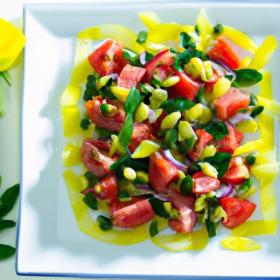
- Pour cold gelled broth over chopped fresh herbs, diced vegetables, or cooked seafood to create an elegant aspic salad.
- Slice into cubes and add to gourmet cocktails for a savory twist.
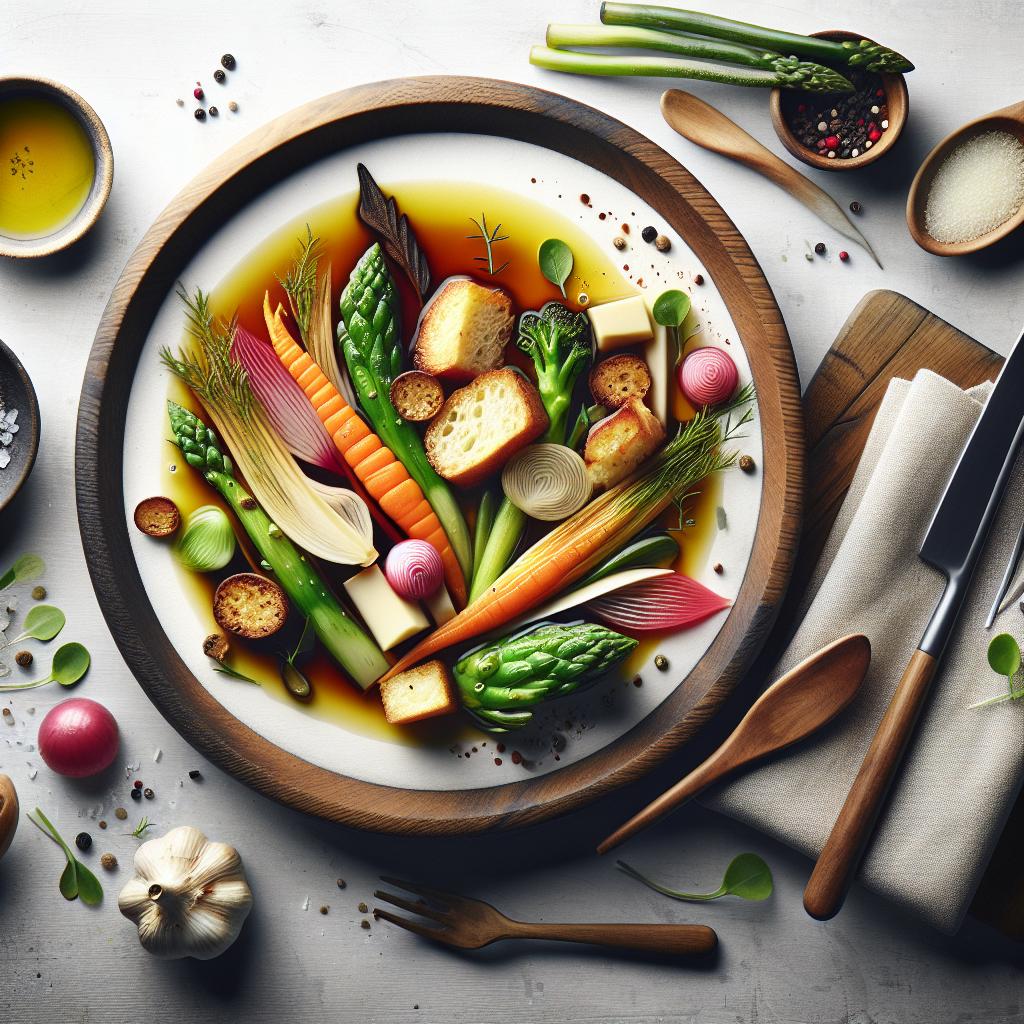
- Garnish with microgreens, edible flowers, or a drizzle of high-quality flavored oils when serving warm soups for eye-catching presentation.
| Nutrient | Per 1 cup (240ml) | Notes |
|---|---|---|
| Calories | 80 | Low calorie, nutrient-dense |
| Protein | 10g | High in collagen and amino acids |
| Carbohydrates | 1g | Minimal carbs, mostly from vegetables |
| Fat | 3g | Primarily saturated, skim fat for clearer broth |

For more on stock-making mastery, explore our detailed guide on Ultimate Beef Stock Techniques. To dive deeper into collagen’s culinary science, visit the ScienceDaily article on Collagen Extraction.
Q&A
Q&A: Unlocking Gelled Broth – Master the Perfect Stock Texture
Q1: What exactly is gelled broth, and why does it matter?
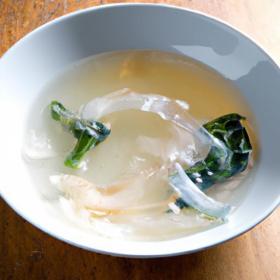
A: Gelled broth is a richly textured liquid that sets into a delicate, savory jelly when cooled. This natural gelatinous texture signals a well-made stock brimming with collagen and flavor – the secret behind restaurant-quality soups, sauces, and braises that offer depth and body.
Q2: How does broth turn into gel?
A: When you simmer bones-especially those with connective tissue-collagen breaks down into gelatin. As the broth cools, this gelatin forms a network that traps liquid, creating that silky, firm gel. The more collagen extracted, the firmer and clearer your gelled broth will be.
Q3: Which bones are best for achieving that perfect gel?
A: Look for marrow-rich beef bones, veal knuckles, pork trotters, chicken feet, and especially fish heads with cartilage. These high-collagen sources are your golden ticket to a luscious, gelled stock that sets beautifully with rich mouthfeel.
Q4: How long should I simmer my broth for optimal gelatin extraction?
A: Time is your ally! For maximum collagen release, simmer your stock low and slow: about 6-8 hours for chicken, 12+ hours for beef or veal. This patient approach extracts every drop of gelatin without breaking down flavors or turning cloudy.
Q5: Can I gel broth without bones?
A: While it’s possible to thicken broth with additives like gelatin powder or agar, nothing quite mimics the complexity of naturally extracted gelatin. For that authentic gelled texture, bones remain irreplaceable.
Q6: What’s the best way to test if my stock has gelled properly?
A: Chill a small cup of your broth overnight in the fridge. If it forms a firm jelly that wiggles slightly but holds its shape, you’ve nailed it! If it’s still liquidy, consider increasing your simmer time or including more collagen-rich bones next time.
Q7: How can I use gelled broth in cooking?
A: Gelled broth is a versatile treasure. Use it to deepen the flavor of soups and stews, enrich sauces with luxurious body, or cool it into aspics and terrines for elegant presentations. You can even cube and freeze it for an easy flavor boost later.
Q8: Any tips for storing gelled broth?
A: Keep it refrigerated in airtight containers for up to 5 days or freeze in portions. When reheating, do so gently to preserve its silky texture-avoid boiling to maintain that prized gelatinous quality.
Q9: My broth turned cloudy or didn’t set-what went wrong?
A: Cloudiness often comes from boiling the broth vigorously or not skimming impurities. For a clear, gelled broth, maintain a gentle simmer and skim foam regularly. If your broth didn’t set, perhaps it lacked collagen-rich bones or wasn’t cooked long enough.
Q10: Why should home cooks care about mastering gelled broth?
A: Beyond gourmet appeal, mastering gelled broth means unlocking the power of natural cooking science. It elevates everyday dishes with texture, nutrition, and flavor, turning humble ingredients into culinary magic you can taste. Plus, it’s a satisfying tradition connecting you to professional kitchens and timeless recipes.
In Retrospect
As you embark on your journey to unlock the secrets of gelled broth, remember that mastering the perfect stock texture is both an art and a science. Each slow simmer, each carefully chosen bone, and every patient hour transforms simple ingredients into a gelatinous elixir brimming with flavor and body. Embrace the process, experiment with your favorite combinations, and soon you’ll wield the power to elevate soups, sauces, and stews to new heights. With this knowledge in hand, the rich, silky world of gelled broth is yours to explore-one savory spoonful at a time.