
Imagine stepping into a garden where the air is infused with the vibrant scents of fresh basil, thyme, and mint-each leaf a promise of flavor and wellness. For beginner gardeners, cultivating herbs can be a wonderfully rewarding adventure, transforming simple pots or patches of soil into thriving green havens. Whether you have a sunlit windowsill or a modest backyard, herbs are surprisingly easy to grow, requiring minimal fuss but offering maximum satisfaction. In this guide, “Herbs Made Easy: Top Picks for Beginner Gardeners,” we’ll explore the most approachable and resilient herbs, share tips to keep your green friends happy, and help you bring a touch of nature’s magic into your everyday life. Get ready to dig in and nurture your very own herbal oasis!
- Choosing the Perfect Herbs for Your First Garden
- Essential Care Tips to Help Your Herbs Thrive
- Harvesting and Using Fresh Herbs from Your Backyard
- Troubleshooting Common Challenges in Herb Gardening
- Ingredients for a Beginner Herb Garden
- Instructions to Start and Maintain Your Herb Garden
- Tips for Success
- Serving Suggestions
- Q&A
- In Conclusion
Choosing the Perfect Herbs for Your First Garden
Herbs Made Easy: Top Picks for Beginner Gardeners begins with selecting your garden’s stars-herbs that are resilient, flavorful, and forgiving. Starting with staples like basil, parsley, mint, and rosemary will set you up for success while filling your kitchen with delightful aromas. These herbs thrive in most climates and adapt well to containers or garden beds. When choosing, consider your local climate, available sunlight, and how you plan to use the herbs in your cooking adventures.
Visualize a patch where leafy basil leaves sway in the breeze, bright green parsley bounces in the sun, and the piney scent of rosemary fills the air-each herb ready to elevate your dishes.
Prep and Grow Time
- Seed Starting: 7-14 days for sprouts
- Transplant to Harvest: 6-8 weeks
- Daily Care: 5-10 minutes
Yield
- A continuous supply of fresh herbs-enough for daily cooking for a household of four
Difficulty Level
- Easy to Medium – perfect for beginner gardeners
Essential Care Tips to Help Your Herbs Thrive
Consistent but gentle care distinguishes thriving herbs from those struggling to survive. Full sun exposure-around 6 hours daily-is essential for most culinary herbs. Regular watering keeps soil moist but not waterlogged; overwatering invites root rot. Utilize well-draining soil enriched with organic compost for robust growth. Pinching back flower buds encourages fuller foliage rather than premature blooming, which can sometimes dull flavor.
Rotate pots or garden beds occasionally to ensure even sunlight absorption and airflow, guarding against fungal problems. Feeding with a nice balance of organic fertilizer every 4-6 weeks will support lush growth without overwhelming your plants.
Harvesting and Using Fresh Herbs from Your Backyard
Harvest your herbs in the cooler hours of the morning when essential oils are at their peak, ensuring vibrant aroma and flavor. Use sharp scissors or pruning shears to snip stems just above a leaf node to encourage regeneration. Regular harvesting actually promotes bushier growth.
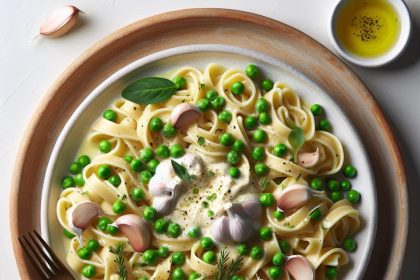
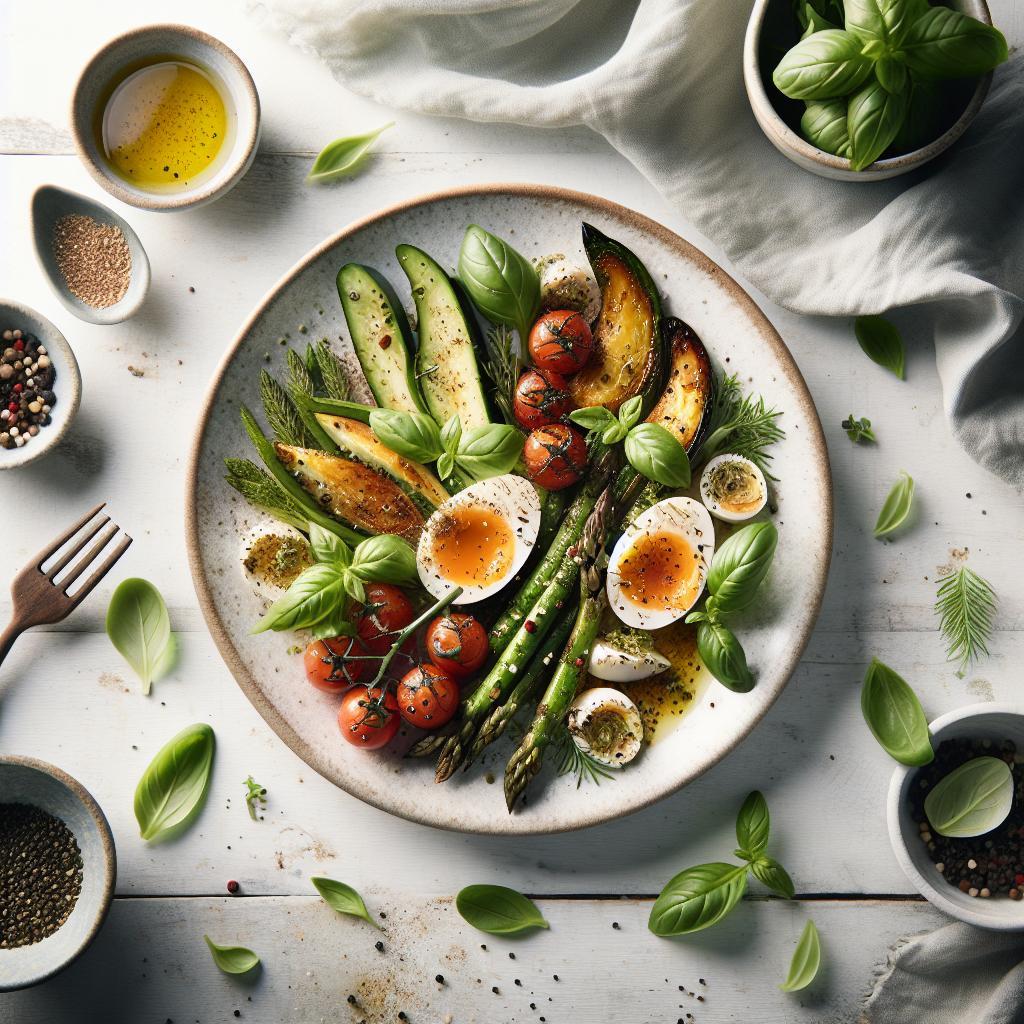
Fresh herbs transform meals instantly-scatter tender basil leaves over warm pasta, stir chopped mint into refreshing drinks, or garnish roasted vegetables with fragrant rosemary sprigs. Incorporate your garden’s bounty into salads, marinades, pestos, and herb butters to experience their full sensory magic.
Troubleshooting Common Challenges in Herb Gardening
Even in the best conditions, herb gardening brings challenges. Yellowing leaves often signal overwatering or nutrient imbalance, while leggy, pale plants might need more light. Aphids and spider mites can appear-natural remedies like neem oil or insecticidal soap are effective safe options.
If herbs bolt (flower and go to seed too soon), increase harvesting frequency and ensure adequate water and nutrients. Adjust soil pH if plants struggle; most herbs prefer slightly acidic to neutral soil (pH 6.0-7.0). Patience is key-each setback is a learning step toward gardening mastery.
Ingredients for a Beginner Herb Garden
- Herb Seeds or Seedlings: Basil, Parsley, Mint, Rosemary, Thyme
- Potting Soil: 4-5 cups well-draining, organic, peat-based mix
- Compost: 1 cup nutrient-rich organic compost
- Containers or Garden Beds: Pots with drainage holes or raised beds
- Water Source: Gentle watering can or soaker hose
- Organic Fertilizer: Balanced NPK 10-10-10, diluted according to package instructions
- Pruning Shears or Scissors: For clean, precise harvesting
Instructions to Start and Maintain Your Herb Garden
- Prepare soil: Mix potting soil with compost, ensuring rich nutrition and proper drainage.
- Plant seeds or seedlings: Sow seeds about ¼ inch deep or transplant seedlings carefully to avoid root damage.
- Location: Place your plants where they receive 6+ hours of sunlight daily.
- Water consistently: Keep soil moist with light watering; avoid saturating the soil.
- Fertilize monthly: Apply organic fertilizer diluted as directed to feed your herbs.
- Prune regularly: Pinch leaves and harvest frequently to encourage bushier growth and prevent bolting.
- Monitor for pests: Inspect plants weekly; treat early with natural insecticides if needed.
- Rotate plants: Ensure all sides receive ample sunlight by rotating containers or repositioning garden beds.
Tips for Success
- Start with seedlings if you want quicker results, especially for slow-germinating herbs like rosemary.
- Use mulch around plants to retain moisture and reduce weeds.
- If space is limited, grow herbs vertically or in tiered planters to maximize exposure.
- Dry excess herbs by hanging small bundles in a warm, dry, and dark place for future use.
- Rotate herbs indoors during harsh winters, placing them on sunny windowsills.
Serving Suggestions
Present your freshly harvested herbs as a vibrant finishing touch on dishes: chiffonade basil leaves atop caprese salads, minced parsley in bright tabbouleh, sprigs of rosemary with roasted meats, or mint leaves steeped in iced tea. Garnishing with fresh herbs not only brightens the plate visually but deepens the aroma and taste, offering a palette of freshness directly from your garden to your table.
| Herb | Water Needs | Sunlight | Harvest Time |
|---|---|---|---|
| Basil | Moderate | Full sun | 6-8 weeks |
| Parsley | High | Partial to full sun | 8-10 weeks |
| Mint | High | Partial shade | 6-8 weeks |
| Rosemary | Low | Full sun | 10-12 weeks |
Discover more about caring for your garden with our guide on container herb gardening tips and deepen your knowledge with the comprehensive advice from the Gardening Know How website.

Q&A
Q&A: Herbs Made Easy – Top Picks for Beginner Gardeners
Q1: Why should beginner gardeners start with herbs?
A: Herbs are nature’s little green friends that offer quick rewards, minimal fuss, and fragrant joy. They grow fast, need less space than most veggies, and add fresh flavor or beauty to your kitchen and garden without overwhelming your green thumb.
Q2: Which herbs are the best for beginners?
A: Think of basil, mint, parsley, chives, and rosemary as your herbal starter squad. They’re forgiving, grow readily from seeds or cuttings, and thrive both indoors and outdoors. Plus, they’re culinary superheroes!
Q3: How much sunlight do herbs need?
A: Most Mediterranean herbs like basil and rosemary love basking in 6-8 hours of sunlight daily. Mint and parsley can tolerate shadier spots, making them perfect for less sunny windowsills or garden nooks.
Q4: What’s the secret to keeping herbs happy?
A: Happy herbs = happy gardener. Give them well-drained soil, don’t drown their roots with overwatering, and pinch back blossoms to encourage bushier growth. Treat your herbs like guests: not too thirsty, not too dry, and plenty of fresh air.
Q5: Can I grow herbs indoors during winter?
A: Absolutely! Herbs can thrive on a sunny windowsill all year. A little extra warmth, bright light (consider a grow light if light is limited), and occasional misting can keep your greens vibrant and flavorful during the cold months.
Q6: How often should I harvest herbs?
A: Frequent snips are the key! Harvest by cutting just above a leaf node, which encourages the plant to grow fuller and healthier. Regular trimming prevents your herbs from straggling and keeps them tasting fresh.
Q7: Any fun tips for beginner herb gardeners?
A: Try growing herbs in creative containers – mason jars, teacups, or upcycled tins add charm. Label your plants with quirky names or colorful tags to make your garden a joyful space. And don’t forget: talk to your plants-they might not chat back, but it’s proven to boost your own gardening mojo!
Ready to dip your fingers into soil and savor kitchen-fresh herbs? With these beginner-friendly guides, your herb garden will soon be bursting with flavor, fragrance, and pride. Happy planting!
In Conclusion
As you embark on your green-thumb journey, remember that growing herbs is more than just planting seeds-it’s cultivating a living connection to nature’s bounty. With these top picks in your garden arsenal, you’re not only nurturing flavors but also welcoming a touch of tranquility and wellness into your everyday life. So, dig in with confidence, sprinkle in some patience, and watch your little herb haven flourish into a fragrant, vibrant masterpiece. Happy gardening!