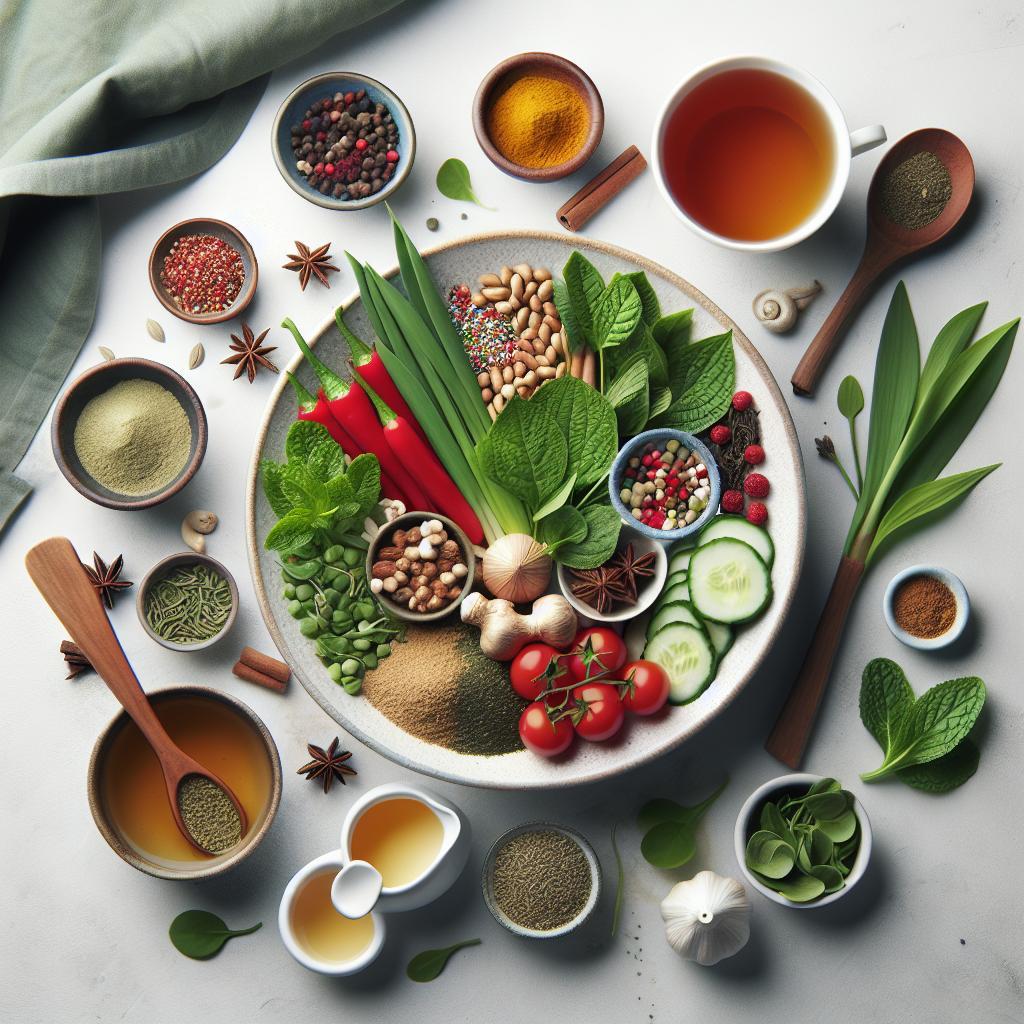

In the vibrant world of herbal remedies, nature’s bounty arrives in many enchanting forms-each whispering its own story of healing and tradition. Whether steeped in a warm cup, carefully ground into a fine powder, or steeped in a potent tincture, herbs offer a rich spectrum of possibilities to nourish body and soul. But how do these forms differ? And which one unlocks the true magic of the plant? Join us as we venture beyond the garden, diving deep into the art and science of herbal preparations to demystify tinctures, powders, and teas. Discover how these ancient methods transform simple leaves and roots into powerful allies for wellness, and learn to choose the perfect form for your health journey.
- Unlocking the Full Potential: The Unique Benefits of Herbal Tinctures in Wellness
- Prep and Craft Time
- Ingredients
- Instructions
- Chef’s Notes
- Serving Suggestions
- Comparing Herbal Powders: Versatility and Potency in Every Scoop
- Savoring Tradition: Simplicity and Comfort in Herbal Teas
- Choosing Your Herbal Form in Your Wellness Journey
- Q&A
- Concluding Remarks
Unlocking the Full Potential: The Unique Benefits of Herbal Tinctures in Wellness
Tincture, powder, or tea-herbal remedies come in various forms, each offering distinct benefits that cater to your health journey. Among these, tinctures stand out for their concentrated potency and ease of use. Extracted traditionally by soaking fresh or dried herbs in alcohol or glycerin, tinctures capture the complete essence of the plant, making them a powerful option for those seeking rapid absorption and precise dosing.
Prep and Craft Time
- Preparation: 5 minutes
- Steeping time: 4-6 weeks
- Yield: Approximately 250 ml (1 cup) tincture
- Difficulty: Medium
Ingredients
- Fresh or dried herbs: 100 grams (e.g., elderberry, echinacea, or chamomile)
- High-proof alcohol (such as vodka, 40-60%): 250 ml (1 cup)
- Glass jar with airtight lid: 1 (preferably amber to protect from light)
Instructions
- Prepare the herbs: Lightly chop fresh herbs or crush dried herbs to increase surface area.
- Fill the jar: Place the herbs into the glass jar, filling about halfway to allow room for the alcohol.
- Add alcohol: Pour the alcohol over the herbs until fully submerged, leaving 1 inch of headspace.
- Seal and shake: Secure the lid and shake gently to mix.
- Store: Place the jar away from direct sunlight in a cool, dark area for 4-6 weeks, shaking it every 2-3 days.
- Strain: After steeping, strain through a fine mesh or cheesecloth into a clean jar or dropper bottle.
- Label and store: Keep the tincture in a cool, dark place. Use within 1-2 years.
Chef’s Notes
- Alcohol-free option: For a gentler alternative, substitute glycerin for alcohol, although potency and shelf life may be reduced.
- Herb choice: Customize your tincture using herbs tailored to your needs, such as adaptogens for stress or immune boosters during cold season.
- Dosage tip: Typically, 15-30 drops diluted in water or tea is effective-adjust based on herbal strength and personal sensitivity.
- Safety: Always research herb interactions with medications and consult with a healthcare professional if unsure.
Serving Suggestions
Enjoy tinctures as a quick wellness booster-add to a glass of water or herbal tea for enhanced flavor and therapeutic effect. For a ritualistic touch, incorporate tinctures into morning tonics or evening wind-down blends. Garnish your serving cup with a slice of fresh lemon or a sprig of mint to elevate both aroma and aesthetic.

Comparing Herbal Powders: Versatility and Potency in Every Scoop
Herbal powders offer a convenient, shelf-stable alternative that retains much of the original plant’s benefits. By finely grinding dried herbs, powders allow for versatile use-from blending into smoothies and capsules to cooking in soups or energy bites. Their concentrated nature requires mindful portioning but lends itself beautifully to creative recipes and daily rituals.
Savoring Tradition: Simplicity and Comfort in Herbal Teas
Few preparations feel as comforting and timeless as a warm cup of herbal tea. This gentle form unlocks a plant’s flavor and healing properties with the soothing ritual of steeping. Herbal teas invite moments of mindfulness, whether enjoyed solo or shared, offering hydration alongside subtle therapeutic effects. With countless blends from chamomile to rooibos, tea remains an accessible entry point into herbal wellness.
Choosing Your Herbal Form in Your Wellness Journey
Deciding between tinctures, powders, or teas hinges on your lifestyle, health goals, and taste preferences. Tinctures offer concentrated power and fast absorption, powders inspire culinary creativity and long shelf life, while teas provide a nurturing, easy-to-integrate daily habit. Embrace experimentation and personalize your experience to unlock the full spectrum of benefits herbal forms can provide.
| Herbal Form | Potency | Ease of Use | Shelf Life | Ideal For |
|---|---|---|---|---|
| Tincture | High | Quick to take; measured dosing | 1-2 years | Those seeking potent, fast-acting herbal support |
| Powder | Medium | Flexible; blends into foods or capsules | 6-12 months | Culinary adventurers and supplement makers |
| Tea | Low to Medium | Simple; encouraging ritual and hydration | 6 months (loose leaf) | Daily relaxation and gentle wellness |
Ready to elevate your herbal knowledge? Explore more on crafting herbal elixirs in our Herbal Elixirs for Beginner Cooks guide. For deeper scientific insights into herb extraction methods, visit the National Center for Biotechnology Information’s comprehensive review.
Q&A
Q&A: Tincture, Powder, or Tea – Unlocking Herbal Forms Explained
Q1: What makes tinctures different from powders and teas?
A1: Tinctures are liquid extracts, usually alcohol-based, that capture the potent essence of herbs in a concentrated form. Unlike powders and teas, tinctures act quickly and can be easily added to water or juice, delivering herbal benefits with precision and potency.
Q2: Why might someone choose powdered herbs over other forms?
A2: Powders are the all-rounders of the herbal world-they’re versatile, easy to store, and can be mixed into smoothies, capsules, or recipes. They retain much of the whole herb’s nutrients and fiber, providing a grounded, hearty approach to herbal wellness.
Q3: How does an herbal tea compare in terms of effects and preparation?
A3: Herbal tea is the gentle art of infusion-steeping dried herbs in hot water to release subtle flavors and soothing properties. It’s perfect for calm, ritualistic moments but often less concentrated than tinctures or powders. Ideal for those who savor sipping their herbal medicine with mindfulness.
Q4: Can the choice of form affect the speed at which herbs work?
A4: Absolutely! Tinctures, being liquid and concentrated, absorb quickly into your system-think of them as the express train of herbal remedies. Powders and teas take a bit longer, as they require digestion or slower infusion processes, delivering benefits more gradually.
Q5: Are there herbs better suited for tinctures, powders, or teas?
A5: Yes, some herbs shine in specific forms. Delicate flowers like chamomile and peppermint flourish in teas, roots and barks like echinacea thrive in tinctures, and leafy herbs such as moringa are often enjoyed as powders. Choosing the right form can amplify the herb’s natural magic.
Q6: Which form is easiest for beginners to start with?
A6: Herbal tea wins for beginners-simple, safe, and delightful. It requires minimal preparation, invites experimentation, and gently introduces the plant’s spirit. Once comfortable, adventurers can explore tinctures and powders to deepen their herbal journey.
Q7: Is one form more effective or “better” than the others?
A7: Effectiveness depends on your goals, lifestyle, and preferences. There is no one-size-fits-all; tinctures excel in potency and speed, powders offer versatility and nourishment, and teas provide comfort and ritual. The best form is the one you happily incorporate into your life.
Q8: How should one store tinctures, powders, and teas for optimum freshness?
A8: Tinctures prefer a cool, dark place, shielded from sunlight to preserve their strength. Powders should be kept in airtight containers away from moisture and heat. Dry teas also cherish airtight tins or jars, guarding their delicate flavors and aromas for your next cozy cup.
Q9: Can you combine these forms for enhanced benefits?
A9: Definitely! Combining forms can create a symphony of herbal support. A morning powder smoothie, an afternoon cup of tea, and an evening tincture drop can harmonize wellbeing across your day. Just heed dosage guidelines and listen to how your body responds.
Q10: Where can one learn more about tailoring herbal forms to personal health needs?
A10: Dive into books by trusted herbalists, explore workshops, or consult with a qualified herbal practitioner. Becoming an herbal alchemist is a personal voyage, and gathering knowledge from seasoned guides will help you unlock the full potential of tincture, powder, tea-and beyond!
Concluding Remarks
As we’ve journeyed through the vibrant world of herbs-tinctures offering concentrated potency, powders blending convenience with versatility, and teas steeped in tradition and warmth-it’s clear that each form holds its own unique key to unlocking nature’s healing treasures. Whether you seek the quick absorption of a tincture, the customizable touch of a powder, or the soothing ritual of a tea, understanding these forms empowers you to tailor your herbal experience with intention and insight. So next time you reach for a herbal remedy, may you do so with the confidence that comes from knowing not just what the herb can do, but how its form shapes its magic. Here’s to your journey of discovery, one sip, scoop, or drop at a time.