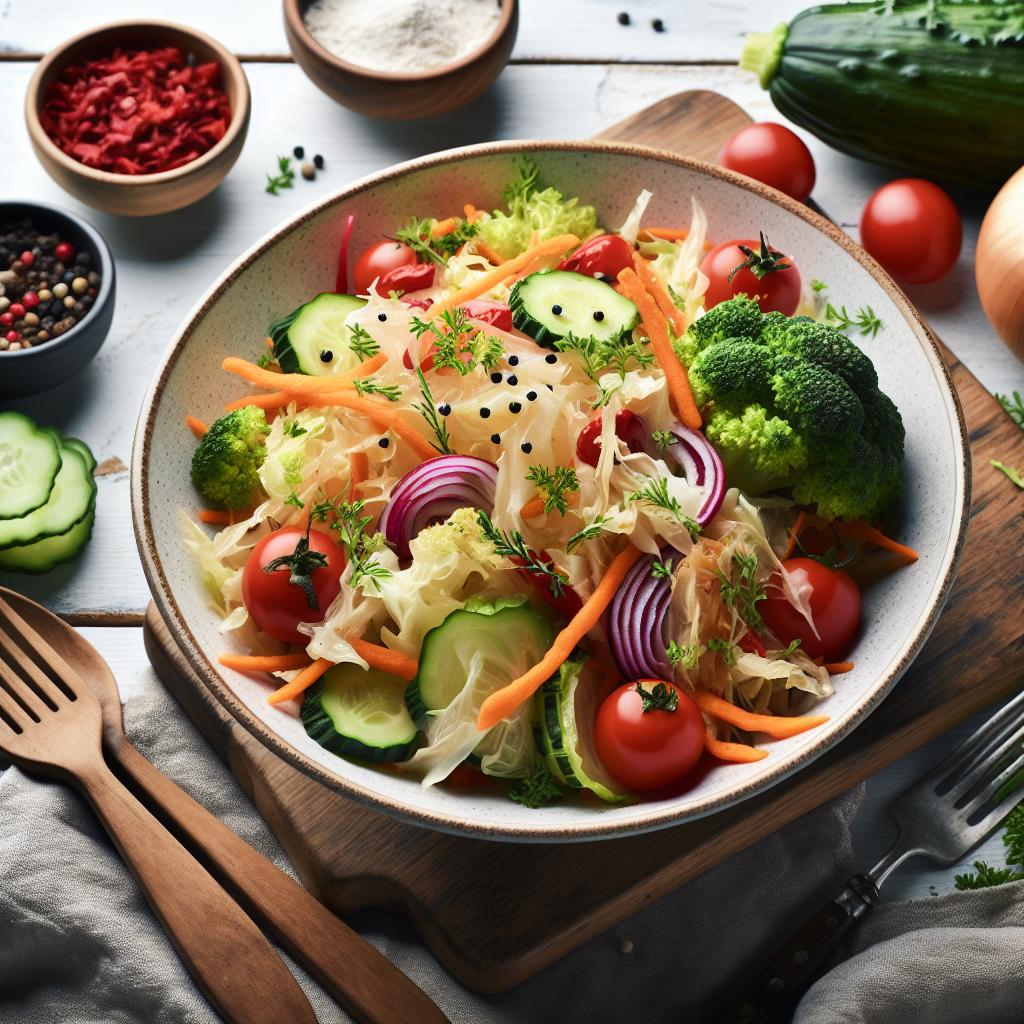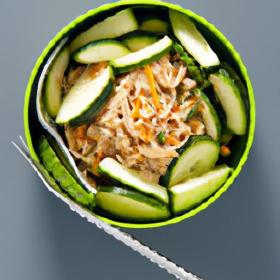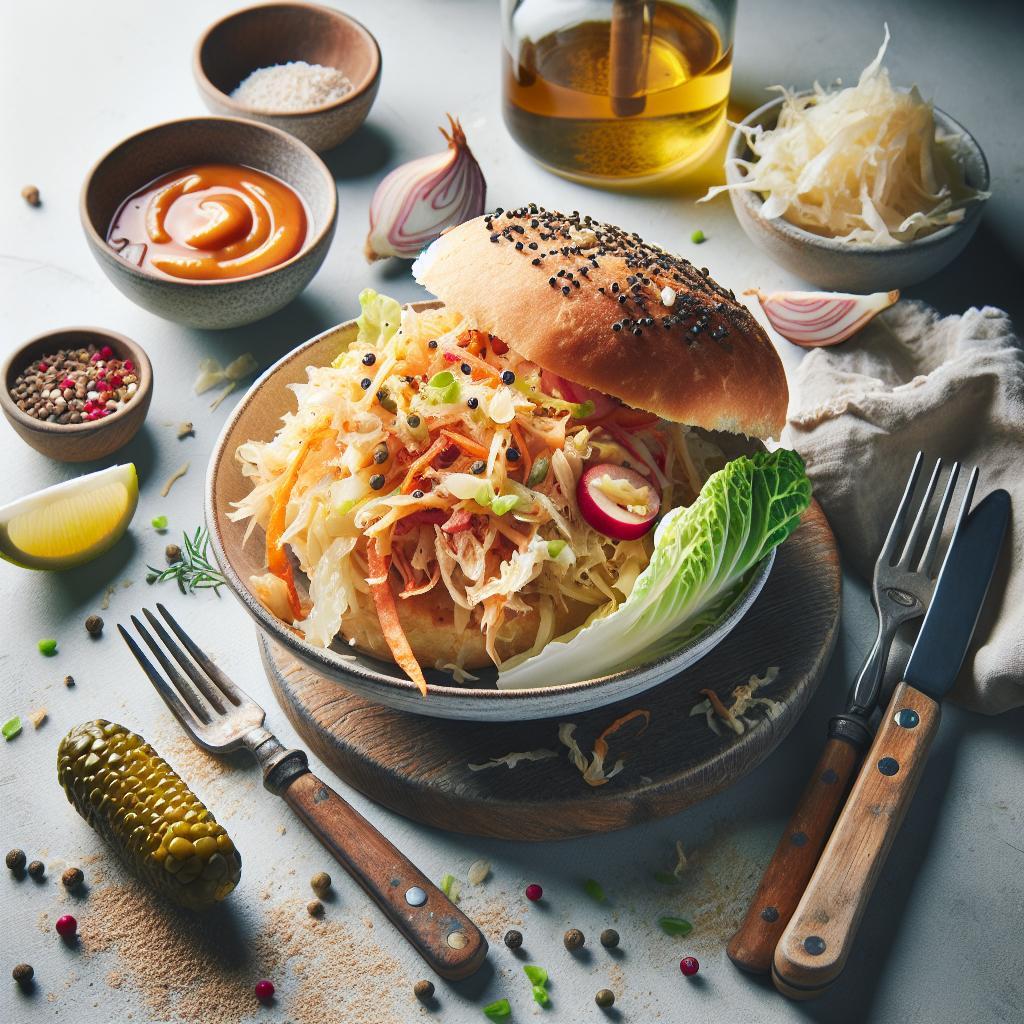

When you think of sauerkraut, the classic image of a humble hot dog topping likely springs to mind. But this tangy, fermented cabbage has far more to offer than just a simple bun garnish. Beyond its probiotic benefits and signature zing, sauerkraut is a versatile ingredient that can elevate dishes from appetizers to desserts with its complex flavor and satisfying crunch. In this article, we’ll journey beyond the bun to explore unique sauerkraut recipes that bring a fresh twist to your culinary repertoire-inviting you to savor this age-old delicacy in exciting, unexpected ways. Prepare to rethink sauerkraut and discover how this humble ferment can transform your kitchen creations from ordinary to extraordinary.
Beyond the Bun: Unique Sauerkraut Recipes to Savor
Beyond the bun, sauerkraut becomes a vibrant ingredient to creatively explore global tastes and transform classic meals with its tangy, fermented brilliance. Infusing traditional dishes with sauerkraut unlocks layers of flavor and nutrition seldom experienced, making every bite an adventure packed with probiotics and zest.
Prep and Cook Time
Preparation: 15 minutes | Fermentation (for homemade sauerkraut): 1-3 weeks | Cooking: 20 minutes
Yield
Serves 4-6 generously
Difficulty Level
Medium – great for home cooks eager to experiment with familiar ingredients and embrace fermentation.
Ingredients
- 4 cups finely shredded green cabbage (for homemade sauerkraut)
- 1 ½ tbsp kosher salt (to draw moisture and start fermentation)
- 1 cup cooked smoked sausage, sliced (optional for infusion recipes)
- 2 tbsp apple cider vinegar
- 1 tbsp caraway seeds
- 1 medium onion, thinly sliced
- 2 cloves garlic, minced
- 1 tbsp unsalted butter or olive oil
- Fresh dill and chives, finely chopped (for garnish)
- 1 cup cooked quinoa or rice (optional, for bowls)
- Ground black pepper, to taste
Instructions
- Make the sauerkraut (if using homemade): In a large mixing bowl, toss the shredded cabbage with kosher salt until well combined. Press down firmly into a clean, sterilized fermentation jar, ensuring the cabbage is submerged under its own brine. Cover loosely and ferment at room temperature for 1 to 3 weeks, checking daily. For quick use, pre-made sauerkraut is perfect.
- Prepare the sausage and onion: In a large skillet, heat butter or olive oil over medium heat. Add the sliced onion and garlic; sauté until golden brown, about 5 minutes, stirring occasionally to prevent sticking. Add sausage and caraway seeds; cook until warmed through and fragrant, about 3-4 minutes.
- Add the sauerkraut: Stir in the sauerkraut (about 2 cups if using homemade or store-bought) along with the apple cider vinegar and black pepper. Reduce heat to low, cover, and simmer for 10 minutes, allowing flavors to meld.
- Serve: Spoon the sauerkraut mixture over a bed of cooked quinoa or rice. Garnish generously with fresh dill and chives to brighten the plate.
- Optional twist: For a smoky depth, stir in a teaspoon of smoked paprika or add crispy bacon bits just before serving.
Chef’s Notes: Tips for Success
- For a tangier sauerkraut, extend fermentation to three weeks; shorter times yield milder flavor perfect for sensitive palates.
- Use freshly ground black pepper to enliven the dish without overpowering the subtle sour notes.
- Homemade sauerkraut can be stored refrigerated for up to 6 months-perfect for batch cooking and effortless daily infusions.
- Swap out green cabbage for red for a colorful, antioxidant-rich variation with natural sweetness.
- Prepare components ahead-sautéed onion and sausage keep well refrigerated for 3 days, great for meal prepping.
Serving Suggestions
Transform this dish into a centerpiece by plating over fluffy grains or roasted root vegetables. Complete the experience with a crisp green apple salad paired with walnuts for crunchy balance. A dollop of sour cream or tangy mustard on the side deepens the interplay of flavors. For a warming twist, accompany with hearty rye bread or pretzels that soak up every bite.

| Nutrient | Per Serving |
|---|---|
| Calories | 210 kcal |
| Protein | 12 g |
| Carbohydrates | 18 g |
| Fat | 9 g |
Explore pairing sauerkraut beyond the bun with recipes like Sauerkraut and Spiced Pork Tacos for bold and zesty meals that surprise and delight. For further research on fermentation health benefits, visit the National Center for Complementary and Integrative Health.
Q&A
Q&A: Beyond the Bun – Unique Sauerkraut Recipes to Savor
Q1: What inspired the idea of “beyond the bun” when talking about sauerkraut?
A1: Sauerkraut is often pigeonholed as just a hot dog topping or a simple side dish. “Beyond the Bun” celebrates sauerkraut’s versatility, encouraging people to explore creative, unexpected recipes that showcase its tangy crunch in new dimensions. It’s about breaking free from tradition and savoring sauerkraut in fresh, exciting ways.
Q2: What makes sauerkraut such a unique ingredient to cook with?
A2: Sauerkraut brings a distinctive balance of sourness and texture that elevates dishes with its bright, fermented flavor. Plus, it’s packed with probiotics and nutrients, making it both a tasty and healthful addition. Its ability to complement everything from meats to veggies and even desserts makes it a secret star in the kitchen.
Q3: Can you share a surprising recipe that features sauerkraut?
A3: Absolutely! One of the showstoppers is Sauerkraut and Apple Stuffed Chicken. The tartness of sauerkraut pairs beautifully with sweet apples, all nestled inside tender chicken breasts. It’s a delicious fusion of flavors that’s both comforting and sophisticated-perfect for impressing guests at dinner.
Q4: How can sauerkraut be incorporated into vegetarian or vegan dishes?
A4: Sauerkraut’s tangy crunch adds depth to many plant-based dishes. Try mixing it into grain bowls, topping avocado toast, or stirring it into a hearty lentil stew. Vegan sauerkraut pancakes or savory sauerkraut and mushroom pierogies also celebrate its flavor while keeping things entirely plant-based.
Q5: What should beginners keep in mind when cooking with sauerkraut?
A5: Start simple-remember sauerkraut is salty and sour, so taste as you go and balance those flavors with sweetness, creaminess, or spice depending on your dish. Also, since it’s already fermented, you don’t want to overcook it; a brief sauté or raw application preserves its texture and probiotics.
Q6: How does sauerkraut enhance global cuisines?
A6: Sauerkraut thrives in many cultural palettes. It’s a German staple, a Korean base in kimchi, and can even enrich Eastern European borscht or American barbecue. Its adaptability means it effortlessly fits into a wide range of recipes, enhancing everything from spicy tacos to creamy casseroles.
Q7: Why is it worth experimenting with sauerkraut if you’re used to traditional recipes?
A7: Pushing the boundaries with sauerkraut unlocks new taste adventures and creative culinary skills. By exploring unique recipes, you not only elevate your meals but also reconnect with the ancient art of fermentation-a tasty tradition that continues to nourish and inspire. Beyond the bun lies a world of bold flavors waiting to be discovered!
Future Outlook
Whether you’re a sauerkraut savant or a curious culinary explorer, these inventive recipes invite you to venture far beyond the humble burger bun. From zesty salads to hearty stews and unexpected pairings, sauerkraut’s tangy crunch brings a delightful twist to every dish. Embrace the versatility of this ancient ferment and let its vibrant flavors inspire your kitchen adventures, transforming everyday meals into memorable feasts. So next time you reach for that jar, remember: sauerkraut isn’t just a condiment-it’s a canvas for creativity waiting to be savored.