
Beneath its knobby, unassuming exterior lies a vegetable bursting with sweet, nutty potential-Jerusalem artichoke, often overlooked yet a treasure trove of flavor waiting to be unlocked. Whether roasted to caramelized perfection, sautéed for a tender bite, or transformed into a creamy puree, this humble tuber offers a versatile canvas for culinary exploration. In this article, we delve into the best techniques to awaken the full depth of Jerusalem artichokes’ unique taste and texture, guiding you to elevate your dishes with every earthy, golden bite. Prepare to discover how to turn this rustic root into a star ingredient that captivates both palate and imagination.
Unlocking Flavor: The Best Way to Cook Jerusalem Artichokes reveals the secret to transforming this underrated tuber into a culinary treasure. Known for its nutty sweetness and subtle earthiness, the Jerusalem artichoke boasts a taste profile that can elevate any dish when handled with care. Originally cherished by Native Americans and later embraced in European kitchens, this vegetable’s unique, slightly crunchy texture and caramel notes shine through with the right preparation.
Prep and Cook Time
Preparation: 15 minutes
Cooking: 25 minutes
Total Time: 40 minutes
Yield
Serves 4 generous portions
Difficulty Level
Medium – Ideal for home cooks looking to impress with a novel ingredient
Ingredients
- 500g Jerusalem artichokes, scrubbed clean
- 2 tbsp extra virgin olive oil
- 1 medium shallot, finely chopped
- 2 cloves garlic, minced
- 1 tsp fresh thyme leaves
- Salt and freshly ground black pepper, to taste
- 1 tbsp unsalted butter
- Juice of half a lemon
- Fresh parsley, chopped for garnish
- Optional: a pinch of smoked paprika or nutmeg to deepen flavor
Instructions
- Prepare the Jerusalem artichokes: Using a vegetable brush, scrub the tubers thoroughly to remove dirt but retain some skin for texture. If the skin is too thick, gently peel with a paring knife. Slice them thinly into ¼ inch rounds to maximize caramelization.
- Warm a large sauté pan over medium heat. Add the olive oil and butter, allowing the butter to melt and foam slightly for enhanced flavor depth.
- Add the shallots and garlic. Sauté until translucent and fragrant, about 2 minutes, stirring continuously to prevent burning.
- Introduce the sliced Jerusalem artichokes to the pan. Spread them evenly and let them cook undisturbed for 5 minutes to form a caramelized crust. Then gently stir and sauté for another 10-12 minutes until tender with browned edges. Season with salt, black pepper, and fresh thyme halfway through cooking.
- Finish with a squeeze of lemon juice to brighten the earthy sweetness and stir in the optional smoked paprika or nutmeg for warmth and complexity.
- Transfer to a serving dish and garnish liberally with chopped parsley for a fresh, vibrant touch that contrasts the rich tubers beautifully.
Tips for Success
- Choosing tubers: Look for firm, knobby Jerusalem artichokes without wrinkles or soft spots to ensure freshness and a crisp texture after cooking.
- Handling artichokes: They oxidize quickly; immerse slices in cold water with a splash of lemon to prevent discoloration if prepping in advance.
- Cooking variance: Try roasting instead of sautéing for a deeper caramelization, or purée boiled Jerusalem artichokes with cream and butter for a luscious mash.
- Storage advice: Keep raw tubers in a cool, dark place or the fridge’s crisper drawer wrapped in a paper towel inside a perforated plastic bag for up to two weeks.
- Make-ahead tip: The sautéed artichokes reheat beautifully and pair well with roasted chicken or grilled fish, making them perfect for batch cooking.
Serving Suggestions
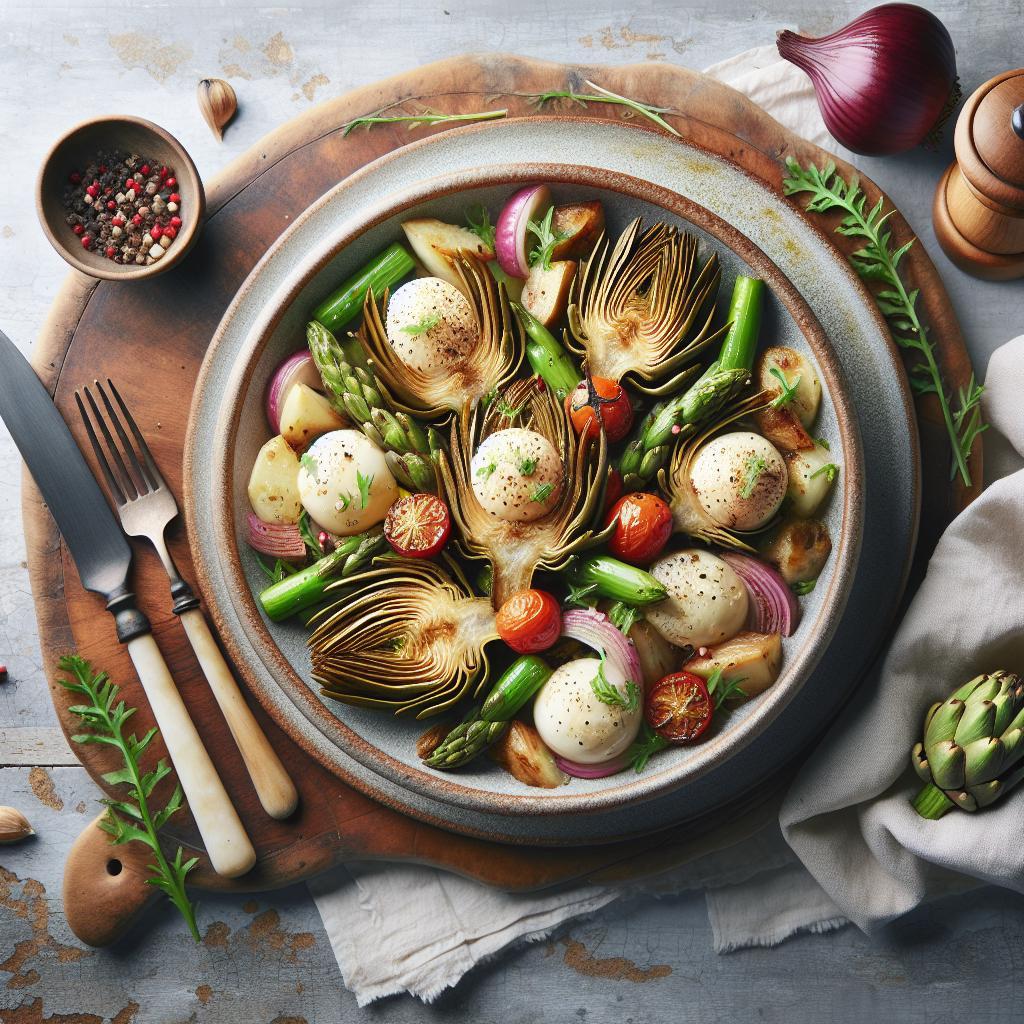
This dish shines as a side, particularly with roasted meats, pan-seared fish, or grilled vegetables. For a complete meal, layer the sautéed Jerusalem artichokes atop a bed of creamy polenta or toss into a fresh, peppery arugula salad drizzled with a balsamic glaze. Garnish ideas include toasted pine nuts for crunch or a dusting of Parmesan cheese for umami richness. For an inviting presentation, serve in rustic earthenware bowls that accentuate the tubers’ golden hues.

| Nutrient | Per Serving |
|---|---|
| Calories | 180 kcal |
| Protein | 3 g |
| Carbohydrates | 30 g |
| Fat | 7 g |
For more insight on tuber texture and flavor combinations, explore our root vegetable recipes. To understand the health benefits and botanical background of Jerusalem artichokes, visit Encyclopedia Britannica.
Q&A
Q&A: Unlocking Flavor – The Best Way to Cook Jerusalem Artichokes
Q1: What exactly are Jerusalem artichokes?
A1: Despite their name, Jerusalem artichokes aren’t related to artichokes nor do they hail from Jerusalem. They’re a knobby tuber native to North America, often called sunchokes. Their sweet, nutty flavor and crisp texture make them a delightful culinary discovery.
Q2: Why do Jerusalem artichokes need special cooking techniques?
A2: These tubers contain inulin, a type of fiber that can cause digestive upset if eaten raw or undercooked. Plus, their unique texture calls for cooking methods that unlock their natural sweetness without turning them mushy or bland.
Q3: What’s the best way to prepare Jerusalem artichokes to enhance their flavor?
A3: Roasting is the ultimate method. Simply scrub and slice them, toss in olive oil, salt, and your favorite herbs, then roast at 400°F (200°C) for about 25-30 minutes. The heat caramelizes their sugars, turning their flavor rich, nutty, and irresistibly sweet with a slightly crispy edge.
Q4: Can Jerusalem artichokes be cooked in other ways?
A4: Absolutely! They’re wonderful sautéed, boiled, or even pureed into soups. However, boiling can sometimes dilute their flavor; to keep it robust, add aromatics like garlic or thyme. Sautéing in butter with a pinch of salt brings out their creamy texture and deepens their natural taste.
Q5: How do I avoid digestive discomfort when eating Jerusalem artichokes?
A5: Start with small portions and increase gradually to let your system adjust to the inulin content. Cooking thoroughly helps break down inulin somewhat, making the tubers easier on the gut.
Q6: Any tips for peeling or prepping Jerusalem artichokes?
A6: Their thin, bumpy skin is edible and packed with nutrients. Give them a good scrub to remove dirt, and use a vegetable peeler if you prefer smoother edges, though it’s not necessary.
Q7: What flavor pairings work best with Jerusalem artichokes?
A7: Earthy herbs like rosemary, thyme, and sage complement their nutty profile beautifully. Pair with garlic, lemon zest, Parmesan cheese, or even a drizzle of honey for a sweet-savory balance.
Q8: Can I use Jerusalem artichokes raw?
A8: You can, but raw sunchokes have a crunchy texture and a slightly sweet, nutty flavor that some find a bit overpowering. Thinly slicing them into salads or slaws is a refreshing way to enjoy their crunch-just be mindful of portion size.
Q9: Where can I buy Jerusalem artichokes?
A9: Look for them at farmers’ markets, specialty grocery stores, or well-stocked produce sections during fall and winter. Their season typically runs from late autumn through early spring.
Q10: What makes Jerusalem artichokes a worthwhile addition to my cooking repertoire?
A10: Their distinctive taste, nutritional benefits (including being rich in fiber and potassium), and versatility make them a fantastic ingredient to explore. Plus, they bring an unexpected twist to familiar dishes, helping you unlock a new world of flavor from beneath the earth.
To Conclude
As you embark on your culinary journey with Jerusalem artichokes, remember that their unique, nutty sweetness holds the key to unlocking a world of flavor. Whether roasted to caramelized perfection, sautéed for a tender bite, or transformed into a creamy puree, these versatile tubers invite you to experiment and delight your palate. By embracing the best cooking methods outlined here, you not only honor this underrated root vegetable but also elevate your dishes to new, savory heights. So go ahead-unearth the magic of Jerusalem artichokes, and let every bite tell a story of taste, texture, and timeless tradition.