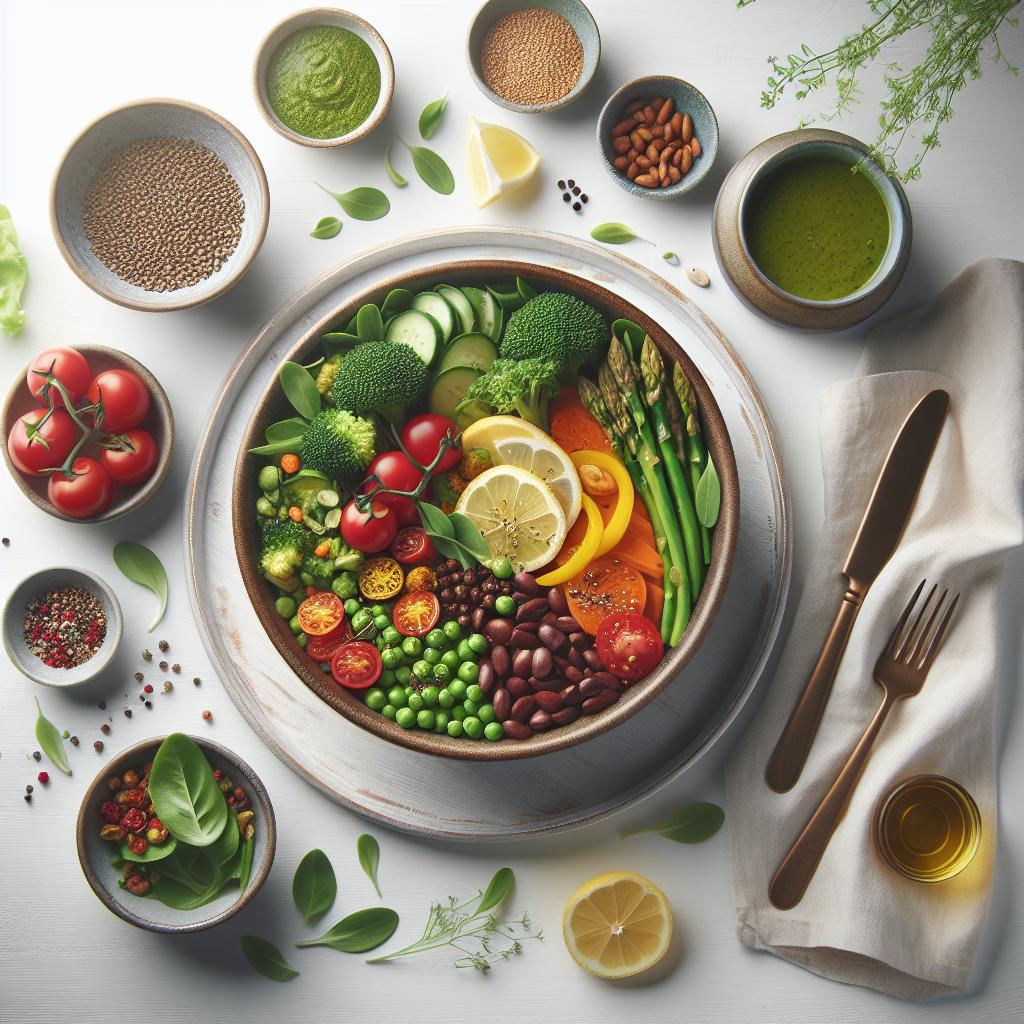

Inflammation is your body’s natural alarm system-a signal that it’s fighting off injury, infection, or stress. While a little inflammation is essential for healing, chronic inflammation can quietly fuel a host of health issues, from joint pain to heart disease. The good news? You don’t need to overhaul your life or master complex recipes to calm this internal fire. Crafting a simple anti-inflammatory meal plan can be both easy and delicious, turning everyday ingredients into powerful allies for your well-being. In this article, we’ll guide you through straightforward strategies and tasty, nutrient-packed meals that help soothe inflammation-making healthful eating an achievable and enjoyable part of your daily routine.
Crafting a Simple Anti-Inflammatory Meal Plan Made Easy: A Vibrant Mediterranean Chickpea Salad
Crafting a simple anti-inflammatory meal plan made easy starts with dishes that celebrate fresh, nourishing ingredients packed with antioxidants and omega-rich fats. This Mediterranean Chickpea Salad is a perfect example-born from the sun-kissed shores of the Mediterranean, where colorful veggies meld with herbs and legumes to create a bowl bursting with flavor and health benefits. Its zesty lemon and garlic dressing enhances the natural earthiness of chickpeas, making it a delightful way to support your body’s fight against inflammation while enjoying every bite.
Prep and Cook Time
Prep Time: 15 minutes Cook Time: 0 minutes (no cooking required)
Yield
Serves 4 generous portions
Difficulty Level
Easy: Ready in under 20 minutes, ideal for quick meal prep or a lively lunch.
Ingredients
- 1 can (15 oz) no-salt-added chickpeas, drained and rinsed
- 1 large cucumber, diced
- 1 cup cherry tomatoes, halved
- ½ cup finely chopped red onion
- ¼ cup Kalamata olives, pitted and sliced
- ¼ cup fresh parsley, chopped
- 2 tbsp extra virgin olive oil
- 1 tbsp fresh lemon juice
- 1 garlic clove, minced
- 1 tsp ground turmeric
- ½ tsp ground cumin
- Salt and freshly ground black pepper, to taste
Instructions
- Combine rinsed chickpeas, diced cucumber, cherry tomatoes, red onion, olives, and parsley in a large mixing bowl.
- In a small bowl, whisk together extra virgin olive oil, fresh lemon juice, minced garlic, turmeric, cumin, salt, and pepper until emulsified.
- Pour the dressing over the salad ingredients and gently toss to evenly coat. Be careful not to mash the chickpeas.
- Let the salad rest for at least 10 minutes at room temperature to allow the flavors to meld-this also enhances the anti-inflammatory potency of the spices.
- Adjust seasoning with additional salt, lemon juice, or olive oil as preferred before serving.
Chef’s Notes
- Variations: Swap chickpeas for black beans or lentils for different texture and protein profiles while keeping anti-inflammatory benefits strong.
- Substitutions: Use dried herbs like oregano or basil if fresh parsley isn’t available-simply reduce the quantity to 1 tablespoon.
- Make-ahead tip: Prepare the salad dressing a day in advance to save time and deepen flavor. Store it covered in the refrigerator.
- Storing: Keep leftover salad chilled in an airtight container for up to 3 days. Give it a quick stir before serving to redistribute the dressing.
Serving Suggestions
Present this vibrant salad in a clear glass bowl to showcase its beautiful colors. Garnish with additional chopped parsley and a sprinkle of toasted pine nuts or pumpkin seeds for a crunchy texture contrast. Serve alongside warm whole-grain pita bread or as a refreshing side to grilled wild-caught salmon for a complete anti-inflammatory meal.

| Nutrient | Per Serving |
|---|---|
| Calories | 220 kcal |
| Protein | 8 g |
| Carbohydrates | 28 g |
| Fat | 9 g (mostly healthy fats) |
For more delicious and nourishing ideas, explore our anti-inflammatory smoothie recipes infused with natural healing ingredients. Additionally, trust the research from the National Center for Biotechnology Information on how spices like turmeric can positively influence inflammation pathways.
Q&A
Q&A: Crafting a Simple Anti-Inflammatory Meal Plan Made Easy
Q1: What exactly is an anti-inflammatory meal plan?
A1: Think of it as food armor-an eating strategy designed to reduce chronic inflammation in your body. It’s a collection of nutrient-rich meals that calm your cells, ease joint pain, and promote overall wellness by focusing on ingredients known for their anti-inflammatory properties.
Q2: Why should I care about inflammation in the first place?
A2: While inflammation is your body’s natural defense mechanism, chronic inflammation acts like a slow-burning fire, contributing to ailments like arthritis, heart disease, and even some cancers. An anti-inflammatory diet helps douse that fire with vibrant, healing foods that keep you feeling your best.
Q3: What are the star players in an anti-inflammatory meal plan?
A3: Your culinary superheroes include colorful fruits and veggies (hello, berries and leafy greens!), omega-3 rich fish like salmon, nuts and seeds, whole grains, and flavorful spices like turmeric and ginger. These ingredients work in harmony to fight inflammation and boost your immune system.
Q4: How simple is this meal plan really? Do I need fancy recipes?
A4: Simple is the name of the game! No need for high-fuss cooking. Think easy-to-assemble bowls, quick sautéed veggies, or overnight oats with chia seeds. The key is to focus on fresh, minimally processed foods and balanced meals that anyone can prepare without stress.
Q5: Can you give me a quick example of a day’s anti-inflammatory meals?
A5: Absolutely! Start your morning with a berry and spinach smoothie blended with flaxseeds and almond milk. Lunch could be a quinoa salad with chopped kale, cherry tomatoes, walnuts, and a lemon-turmeric dressing. Finish dinner with grilled salmon, roasted sweet potatoes, and steamed broccoli drizzled with olive oil.
Q6: How do I keep the plan exciting and avoid boredom?
A6: Variety is your best friend! Rotate your fruits and veggies with the seasons, experiment with different spices and herbs, and try new grains like farro or millet. Incorporate diverse cooking methods-roasting, steaming, or grilling-to keep flavors vibrant and your palate intrigued.
Q7: Any tips for shopping and meal prepping on this plan?
A7: Shop the perimeter of your grocery store-fresh produce, lean proteins, and natural oils-while skipping the processed aisles. For meal prep, batch cook grains and proteins, chop veggies ahead, and portion snacks like nuts and berries to grab-and-go. This strategy saves time and makes sticking to your plan effortless.
Q8: Can an anti-inflammatory meal plan aid weight loss or just reduce inflammation?
A8: While its primary goal is to soothe inflammation, many find that eating whole, nutrient-dense foods naturally supports healthy weight management. By minimizing processed foods and sugar, you also help balance blood sugar and curb cravings-bonus for your waistline!
Q9: Is it suitable for everyone?
A9: Generally yes! This approach emphasizes wholesome foods that benefit most people, but always check with a healthcare provider if you have specific health conditions or dietary restrictions before making big changes.
Q10: What’s the best way to start?
A10: Begin small-swap out one or two meals with anti-inflammatory options each week. Gradually build a rotation of go-to recipes and enjoy the vibrant, healing journey your taste buds and body will thank you for!
Final Thoughts
As you embark on your journey toward wellness, remember that crafting a simple anti-inflammatory meal plan is less about strict rules and more about embracing vibrant, wholesome ingredients that nourish your body and soul. By making mindful choices-one colorful plate at a time-you’re not just fighting inflammation; you’re cultivating a lifestyle rooted in balance and vitality. So, take these easy, flavorful steps forward, and let each meal be a delicious celebration of health made simple. Your body will thank you with every bite.