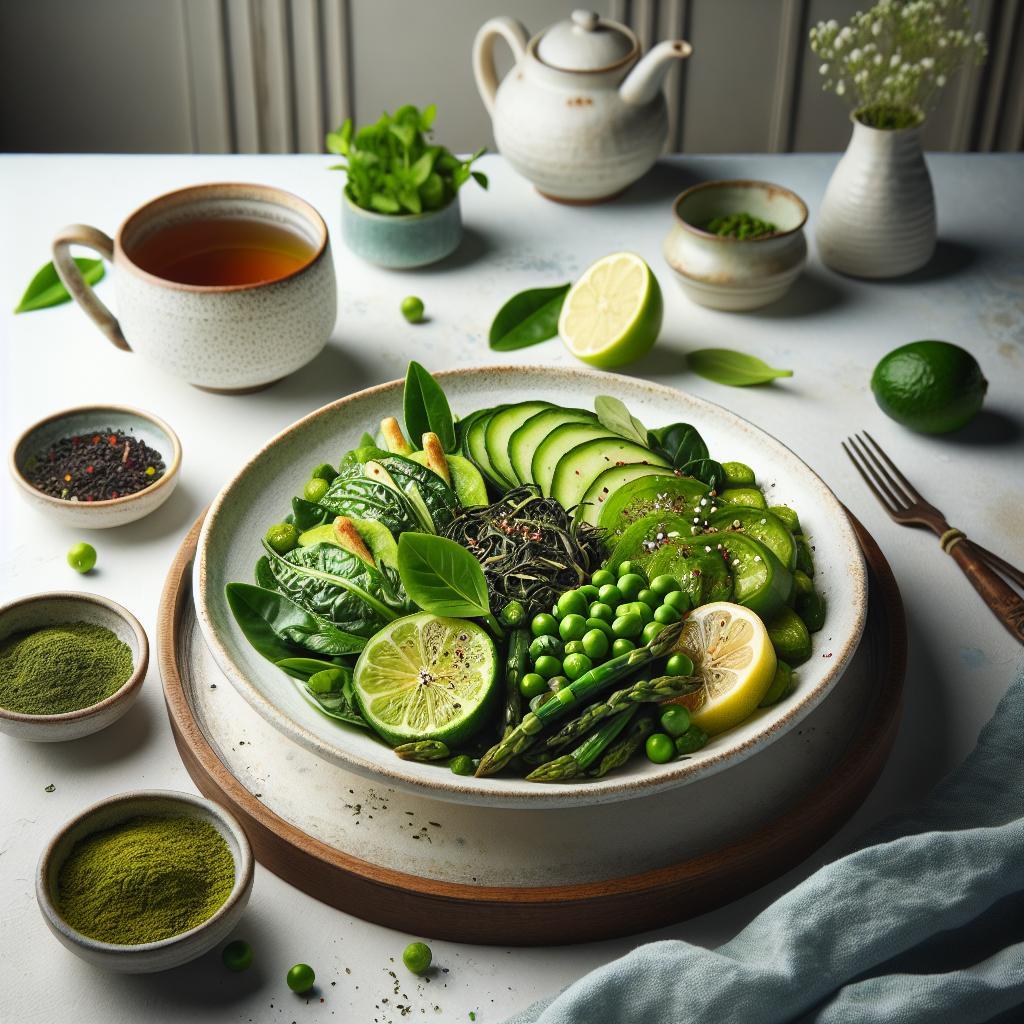

In the quest for vibrant health and lasting vitality, nature offers a humble yet powerful ally: green tea. Celebrated for centuries across cultures, this emerald elixir brims with polyphenols-potent antioxidants that unlock a world of wellness benefits. From boosting metabolism to soothing the mind, green tea’s magical blend of nutrients invites us to sip our way to a healthier life. In this article, we’ll explore delicious green tea recipes rich in polyphenols, transforming a simple brew into a revitalizing ritual that nurtures body and soul. Ready to steep your senses in wellness? Let’s dive in.
Brewing the Perfect Cup: How to Maximize Polyphenol Extraction
Unlocking Wellness: Green Tea Recipes Rich in Polyphenols starts with understanding how to brew green tea to preserve and extract the maximum amount of polyphenols-the powerful antioxidants responsible for its many health benefits. The art of crafting a flawless cup is both simple and rewarding, marrying tradition with science for an experience that delights your palate and nurtures your body.
Prep and Cook Time
- Preparation: 2 minutes
- Steeping: 3-4 minutes
- Total Time: 6 minutes
Yield
- 1 serving (8 oz cup)
Difficulty Level
- Easy
Ingredients
- 1 tsp organic loose-leaf green tea (preferably Sencha or Longjing for high polyphenol content)
- 8 oz filtered water (heated to 175°F / 80°C)
- Optional: 1 tsp fresh lemon juice – aids in polyphenol absorption and brightens flavor
- Optional: 1 tsp raw honey or natural sweetener to taste
Instructions
- Heat your water to about 175°F (80°C). Avoid boiling water as excessive heat can diminish polyphenols and create bitterness.
- Place loose-leaf green tea into a teapot or infuser. Using loose leaf ensures freshness and better nutrient retention.
- Pour the heated water gently over the leaves, ensuring they have room to unfurl fully, maximizing surface area for polyphenol release.
- Steep for 3-4 minutes. A shorter steep will be light but delicate; extending to 4 minutes enhances polyphenol extraction without bitterness.
- Remove the leaves promptly to prevent oversteeping.
- Add lemon juice if desired. This not only enhances flavor but also improves the bioavailability of polyphenols.
- Sweeten lightly with honey if preferred, stirring gently to retain clarity and integrity.
- Serve immediately for the freshest flavor and optimum antioxidant benefits.
Tips for Success
- Use filtered, cool water for heating-tap water impurities can affect taste and health properties.
- Invest in a good thermometer to avoid overheating-the ideal temperature is where you see gentle steam but no rolling boil.
- Experiment with leaf quantity for your preferred strength but keep it balanced to avoid bitterness.
- Store your tea leaves in an airtight container away from light and moisture to preserve polyphenols.
Serving Suggestions
- Pair with light snacks like steamed edamame or a handful of almonds to complement the tea’s delicate flavor.
- Use beautiful glass or ceramic cups to visually appreciate the pale green color-the hallmark of gentle, polyphenol-rich brew.
- Garnish with a fresh mint sprig or a thin slice of lemon on the rim for a refreshing twist.
- For a chilled option, brew double strength tea, cool it, then serve over ice with a splash of sparkling water.
| Nutrition per Serving | Amount |
|---|---|
| Calories | 2 |
| Protein | 0.4 g |
| Carbohydrates | 0.5 g |
| Fat | 0 g |
| Polyphenols (approx.) | 30-100 mg |

For those inspired to explore more polyphenol-packed green tea creations, discover our Savory Green Tea Recipes that bring this wonder ingredient into your kitchen in new ways. Plus, dive deeper into the science of antioxidants over at the National Institutes of Health, a trusted authority on polyphenol research.
Q&A
Q&A: Unlocking Wellness with Green Tea – Recipes Rich in Polyphenols
Q1: What makes green tea such a powerful wellness elixir?
A1: Green tea is celebrated for its abundance of polyphenols-natural compounds packed with antioxidants. These polyphenols help combat oxidative stress, reduce inflammation, and support heart health, making green tea a natural ally in your pursuit of holistic wellness.
Q2: How can polyphenols in green tea improve my health?
A2: Polyphenols act like tiny bodyguards, neutralizing harmful free radicals that can damage cells. Regular consumption may boost your immune system, enhance brain function, and even support metabolism, contributing to overall vibrancy and longevity.
Q3: What are some creative ways to enjoy green tea beyond the traditional cup?
A3: Green tea’s versatility allows for delightful experimentation! Try blending matcha into smoothies for a creamy antioxidant boost, infusing it into homemade salad dressings for a zesty twist, or simmering it into broths and desserts to unlock layers of flavor and wellness benefits.
Q4: Could you share a simple green tea recipe that maximizes polyphenol content?
A4: Absolutely! A refreshing Citrus Green Tea Elixir combines brewed green tea with fresh lemon juice, a drizzle of honey, and a hint of ginger. The vitamin C in citrus enhances polyphenol absorption, while ginger adds anti-inflammatory power-creating a vibrant, wellness-packed refreshment.
Q5: How does preparation affect the polyphenol content in green tea recipes?
A5: Temperature and steeping time are crucial! Steeping green tea at too hot a temperature or for too long can degrade delicate polyphenols. Aim for water around 175°F (80°C) and steep for 2-3 minutes to unlock optimal flavor and antioxidant benefits.
Q6: Can green tea polyphenols complement other healthy ingredients?
A6: Indeed! Combining green tea with berries, nuts, or spices like turmeric and cinnamon not only diversifies flavor but also creates a synergistic effect-enhancing antioxidant activity and amplifying overall wellness benefits in your recipes.
Q7: What’s a simple everyday practice to incorporate green tea polyphenols into my routine?
A7: Start your day with a warm cup of green tea paired with a nutrient-rich breakfast, or unwind with a chilled green tea spritzer in the afternoon. These small, mindful choices consistently nurture your body with the power of polyphenols.
Q8: Any final tips for unlocking the full wellness potential of green tea recipes?
A8: Embrace freshness-use high-quality, minimally processed green tea leaves or matcha powder. Experiment boldly but mindfully, honoring the natural balance of flavors and nutrients. With every sip or bite, you’re unlocking a vibrant path to wellness that nourishes both body and soul.
The Conclusion
As you embark on your journey to unlock wellness, remember that each cup of green tea is more than just a beverage-it’s a natural elixir brimming with polyphenols that nurture your body and mind. By exploring these vibrant recipes, you’re not only savoring delightful flavors but also embracing a tradition steeped in health and vitality. Let green tea be your daily ritual, a simple yet powerful way to boost well-being from within. Here’s to sipping your way to a greener, healthier life-one cup at a time.