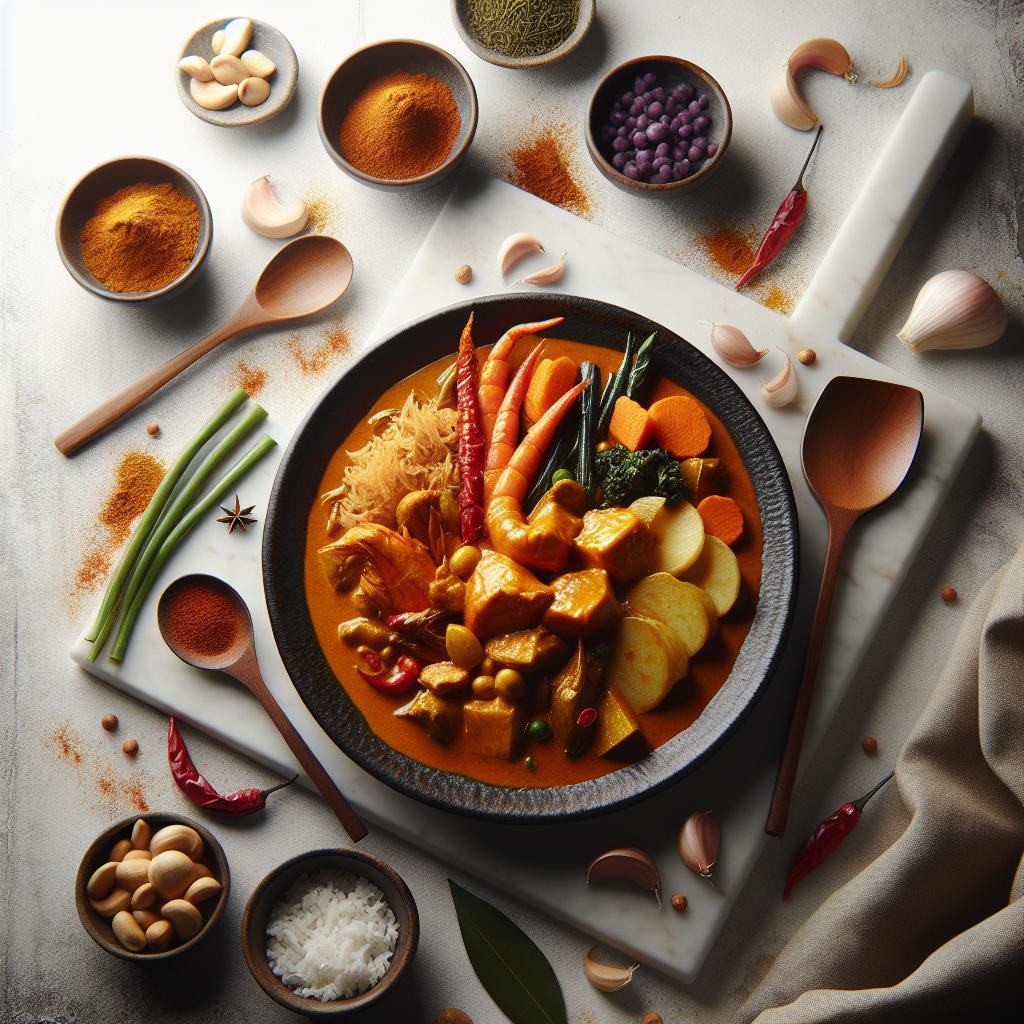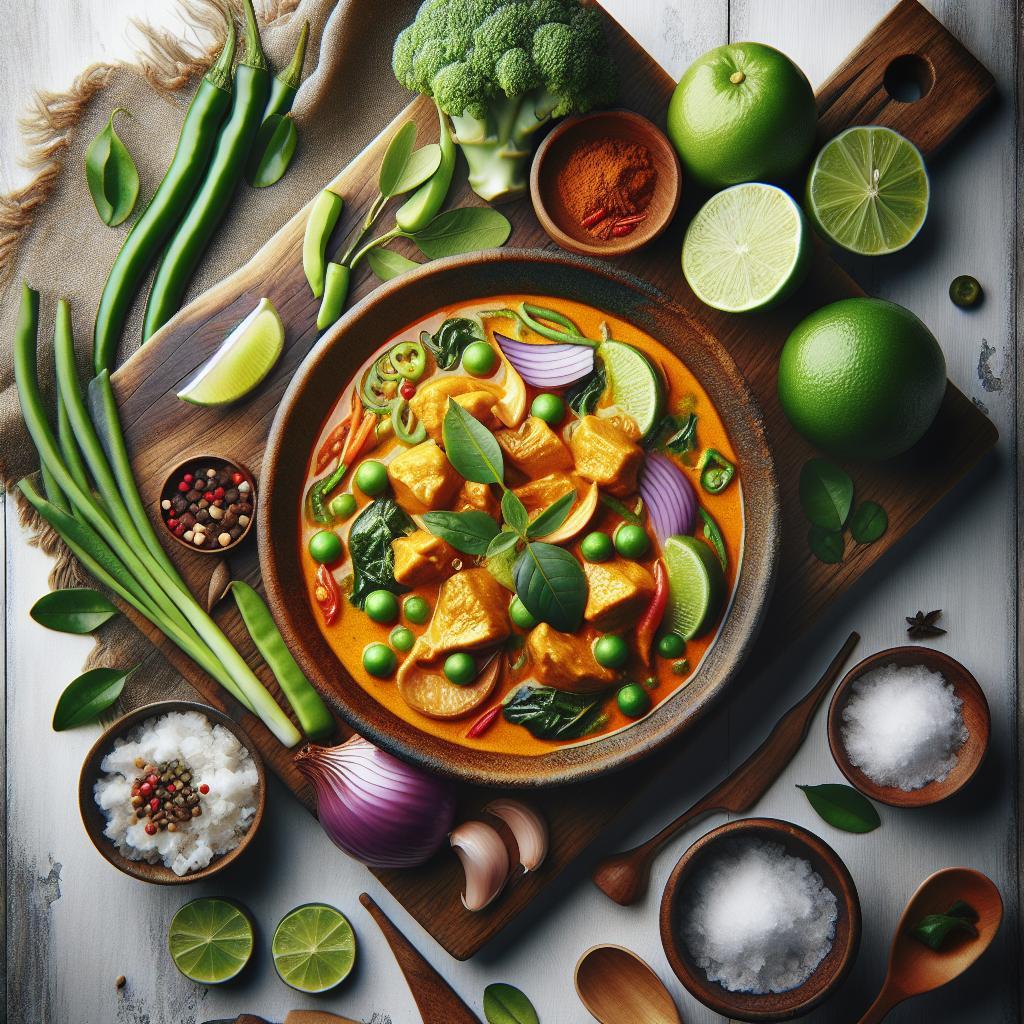

In the vibrant mosaic of Thai cuisine, where fiery chilies and fragrant herbs dance in harmony, Massaman Curry holds a special place-a culinary tapestry woven from centuries of history, culture, and trade. This rich, creamy curry, with its layers of warm spices and subtle sweetness, tells a story far beyond the plate. As we explore Massaman Curry, we embark on a flavorful journey through Thailand’s rich heritage, uncovering the intriguing blend of influences that have shaped this beloved dish. Join us as we delve into the origins, ingredients, and cultural significance of Massaman Curry, and discover why it remains a timeless treasure in Thailand’s gastronomic legacy.
- Massaman Curry Origins and Cultural Influences Unveiling the Historical Tapestry
- Prep and Cook Time
- Yield
- Difficulty Level
- Key Ingredients and Aromatic Spices Crafting the Perfect Flavor Balance
- Traditional and Modern Cooking Techniques Elevating the Curry Experience
- Chef’s Notes and Tips for Success
- Pairing and Serving Suggestions Enhancing Your Massaman Curry Journey
- Q&A
- In Conclusion
Massaman Curry Origins and Cultural Influences Unveiling the Historical Tapestry
Massaman curry is much more than a beloved Thai dish; it is a flavorful bridge between cultures, blending the rich culinary heritages of Thailand, India, Persia, and Malaysia. Its origins trace back to the era of the Ayutthaya Kingdom, where trade and migration introduced exotic spices and cooking techniques into Thai cuisine. This curry’s deep, mellow flavors and warm spices stem from a fascinating fusion-coconut milk, tamarind, and peanuts intermingle with cardamom, cinnamon, and cloves, narrating centuries of cultural exchange. The name itself, “Massaman,” is believed to derive from “Muslim,” reflecting its Muslim culinary roots, making this curry a symbol of Thailand’s diverse historical tapestry.
Prep and Cook Time
- Preparation: 20 minutes
- Cooking: 1 hour
- Total Time: 1 hour 20 minutes
Yield
- Serves 6 people generously
Difficulty Level
- Medium – Ideal for adventurous home cooks ready to explore layered flavors
Key Ingredients and Aromatic Spices Crafting the Perfect Flavor Balance
- 500g beef chuck, cut into bite-sized cubes
- 2 tablespoons Massaman curry paste (homemade or store-bought)
- 400ml coconut milk, full fat for richness
- 1 cup potatoes, peeled and cubed
- 1 large onion, thinly sliced
- 3 tablespoons roasted peanuts, roughly crushed
- 2 tablespoons tamarind paste
- 2 tablespoons palm sugar
- 2 tablespoons fish sauce
- 1 cinnamon stick
- 3 cardamom pods
- 3 cloves
- Optional: bay leaves and star anise for extra aromatic depth
Traditional and Modern Cooking Techniques Elevating the Curry Experience
- Prepare the curry base: In a large, heavy-bottomed pot, gently toast the whole spices (cinnamon, cardamom, cloves) over medium heat until fragrant, about 2 minutes. This unlocks the warm aromatic oils essential to authentic Massaman curry.
- Cook the paste: Add Massaman curry paste to the toasted spices, sautéing in 2 tablespoons of coconut cream (top layer of canned coconut milk) until the oil separates and the aroma deepens, about 3-4 minutes. This technique intensifies the flavor base.
- Brown the beef: Toss in the beef cubes and sear until browned on all sides. This step seals in juices and adds savory depth.
- Add coconut milk: Pour in the remaining coconut milk, and bring to a gentle simmer.
- Incorporate vegetables and seasonings: Stir in potatoes, onions, tamarind paste, palm sugar, fish sauce, and optional bay leaves or star anise. Cover partially and simmer on low heat for 45 minutes to 1 hour, stirring occasionally to prevent sticking.
- Final touches: When beef is tender and potatoes are soft, stir in roasted peanuts, allowing the curry to thicken slightly before removing from heat.
Chef’s Notes and Tips for Success
- Homemade curry paste: Making your own Massaman curry paste with fresh spices significantly elevates flavor depth.
- Meat variations: Chicken, lamb, or even tofu can substitute beef for a personalized twist.
- Adjusting spice level: Slice fresh chili peppers into the curry at the end if you crave more heat.
- Make ahead: Massaman curry tastes even better the next day once flavors meld beautifully.
- Thickening curries: For a creamier texture, simmer uncovered the last 10 minutes or add a splash of coconut cream.
Pairing and Serving Suggestions Enhancing Your Massaman Curry Journey
Serve your fragrant Massaman curry with steaming jasmine rice or sticky rice, inviting the luxurious sauce to soak in. Garnish with fresh cilantro leaves and a sprinkle of toasted peanuts to add crunch and vibrant color. For a refreshing contrast, pair it with a lightly pickled cucumber salad or a crisp Thai green mango salad, which offers a hint of tang and crunch that cuts through the rich coconut and spice.
| Nutrient | Per Serving |
|---|---|
| Calories | 460 kcal |
| Protein | 35g |
| Carbohydrates | 22g |
| Total Fat | 28g |

For an in-depth history and additional Thai curry recipes, explore our Thai curry exploration guide. To enrich your understanding of Massaman curry’s cultural origins, visit the Britannica entry on Massaman Curry.
Q&A
Q&A: Massaman Curry – Exploring Thailand’s Rich Flavor Heritage
Q1: What exactly is Massaman curry?
Massaman curry is a beloved Thai dish known for its rich, complex flavors that beautifully blend spice, sweetness, and creaminess. Unlike many other Thai curries that are fiery and herbaceous, Massaman is mild and aromatic, with an exotic hint of Middle Eastern influence.
Q2: How did Massaman curry become part of Thai cuisine?
Massaman’s roots trace back to historical trade routes that connected Thailand with Persia, India, and the Middle East. Its unique blend of spices-think cinnamon, cardamom, cloves, and nutmeg-reflects this fusion, making Massaman a culinary testament to Thailand’s rich cultural exchanges.
Q3: What ingredients give Massaman curry its distinctive taste?
At the heart of Massaman are roasted spices combined with coconut milk, tamarind paste, and usually tender chunks of beef or chicken. Potatoes, onions, and roasted peanuts add texture and depth, while palm sugar and fish sauce balance sweet, salty, and umami notes in perfect harmony.
Q4: How does Massaman curry differ from other Thai curries?
Unlike the fiery red or green Thai curries, Massaman is milder in heat but richer in aromatic spices. Its curry paste is more complex and roasted, giving it a slightly smoky flavor. Plus, the inclusion of potatoes and peanuts lends a hearty, stew-like character absent in most other Thai curries.
Q5: Can Massaman curry be adapted for vegetarians or vegans?
Absolutely! The curry’s rich sauce is easily adaptable by swapping meat for tofu, tempeh, or hearty vegetables like eggplant and sweet potatoes. Just be sure to use vegetarian-friendly curry paste and replace fish sauce with soy sauce or tamari to keep the authentic flavor profile intact.
Q6: What’s the best way to enjoy Massaman curry?
Traditionally, it’s served piping hot over steamed jasmine rice, which soaks up the luscious sauce beautifully. For a creative twist, try it with sticky rice or even warm flatbreads to savor every drop of that golden, aromatic gravy.
Q7: Why is Massaman curry considered a symbol of Thailand’s flavor heritage?
Massaman curry encapsulates the spirit of cultural convergence-combining Thai culinary traditions with spices and techniques from distant lands. It tells a story of history, trade, and adaptation, making it not just a dish but a flavorful narrative of Thailand’s rich heritage.
Q8: Where can someone find authentic Massaman curry if they want to try it?
You can find Massaman in many authentic Thai restaurants worldwide, especially those that highlight traditional dishes beyond the usual red and green curries. For the adventurous home cook, sourcing a good quality Massaman curry paste and fresh ingredients can unlock an unforgettable cooking adventure.
Massaman curry is more than a meal-it’s a journey into the heart of Thailand’s vibrant culinary crossroads, inviting you to savor centuries of flavor heritage with every delicious bite.
In Conclusion
As the final spoonful of Massaman curry leaves a lingering warmth on the palate, it becomes clear that this dish is much more than a flavorful blend of spices and ingredients. It is a culinary bridge that connects centuries of Thai history with the diverse cultural influences that have shaped the nation’s rich tapestry. Each bite tells a story of trade routes, royal kitchens, and the harmonious blend of sweet, savory, and aromatic notes that define Thailand’s rich flavor heritage. Whether enjoyed in a bustling Bangkok street market or recreated in your own kitchen, Massaman curry invites you to savor not just a meal, but a vibrant chapter of Thai tradition-one infused with history, heart, and an enduring passion for bold and balanced taste.