
Beneath their knobby, unassuming exterior, Jerusalem artichokes hide a surprising secret-one that might leave your stomach grumbling and unsettled. Often celebrated for their nutty flavor and touted as a healthy alternative to potatoes, these root vegetables have quietly gained popularity in kitchens around the world. But before you eagerly add them to your next dish, it’s worth understanding why Jerusalem artichokes can sometimes trigger digestive discomfort. Dive in as we unpack the science behind this surprising reaction, revealing the hidden compounds responsible and what you can do to enjoy this earthy tuber without the tummy trouble.
Why Jerusalem Artichokes Might Upset Your Stomach After Eating is a question many food enthusiasts encounter when first trying this earthy, sweet tuber. Native to North America and also known as sunchokes, Jerusalem artichokes boast a lovely nutty flavor and versatile culinary potential. Yet, it’s their unique carbohydrate composition-specifically the presence of inulin-that can challenge even the most adventurous digestive systems. Understanding how inulin interacts with your gut flora will empower you to enjoy this remarkable vegetable while minimizing discomfort.
Prep and Cook Time
- Preparation: 10 minutes
- Cooking: 20 minutes
- Total Time: 30 minutes
Yield
Serves 4 as a side dish
Difficulty Level
Easy to Medium
Ingredients
- 500g Jerusalem artichokes, scrubbed and thinly sliced
- 2 tbsp olive oil
- 2 cloves garlic, minced
- 1 tsp fresh thyme, chopped
- Salt and freshly ground black pepper, to taste
- Juice of ½ lemon
- Fresh parsley, chopped for garnish
- 1 tbsp butter (optional)
Instructions
- Prepare your Jerusalem artichokes by washing and scrubbing them thoroughly to remove dirt. Thinly slice them evenly to ensure uniform cooking and prevent chewy bits, which can exacerbate digestive upset.
- Heat olive oil in a large skillet over medium heat. Add minced garlic and sauté briefly until fragrant, about 1 minute, stirring constantly.
- Add the sliced artichokes to the skillet in a single layer. Cook without stirring for 3-4 minutes to allow a golden crust to form, then toss gently.
- Season with salt, pepper, and thyme. Continue cooking for about 10-12 minutes, stirring occasionally to prevent sticking and promote even browning.
- Lower the heat and stir in butter and lemon juice, which enhances the bright flavor while aiding digestion.
- Remove from heat and let the dish rest for a minute before serving. Garnish with fresh parsley for a vibrant, fresh finish.
Tips for Success
- Slowly introduce Jerusalem artichokes into your diet: Start with small portions to allow your gut flora to adjust gradually to the inulin content.
- Soaking sliced tubers in water before cooking can help reduce inulin levels, making digestion easier.
- Cooking thoroughly softens the fibrous texture and helps break down inulin, which can mitigate gas and bloating.
- Pair with digestive herbs like thyme, fennel, or ginger to aid gastrointestinal comfort.
- If symptoms worsen, such as severe bloating or abdominal pain, consult your healthcare provider to rule out other intolerances or digestive disorders.
- For a smoother texture, roasting Jerusalem artichokes rather than sautéing can offer an alternative with less digestive strain.
Serving Suggestions
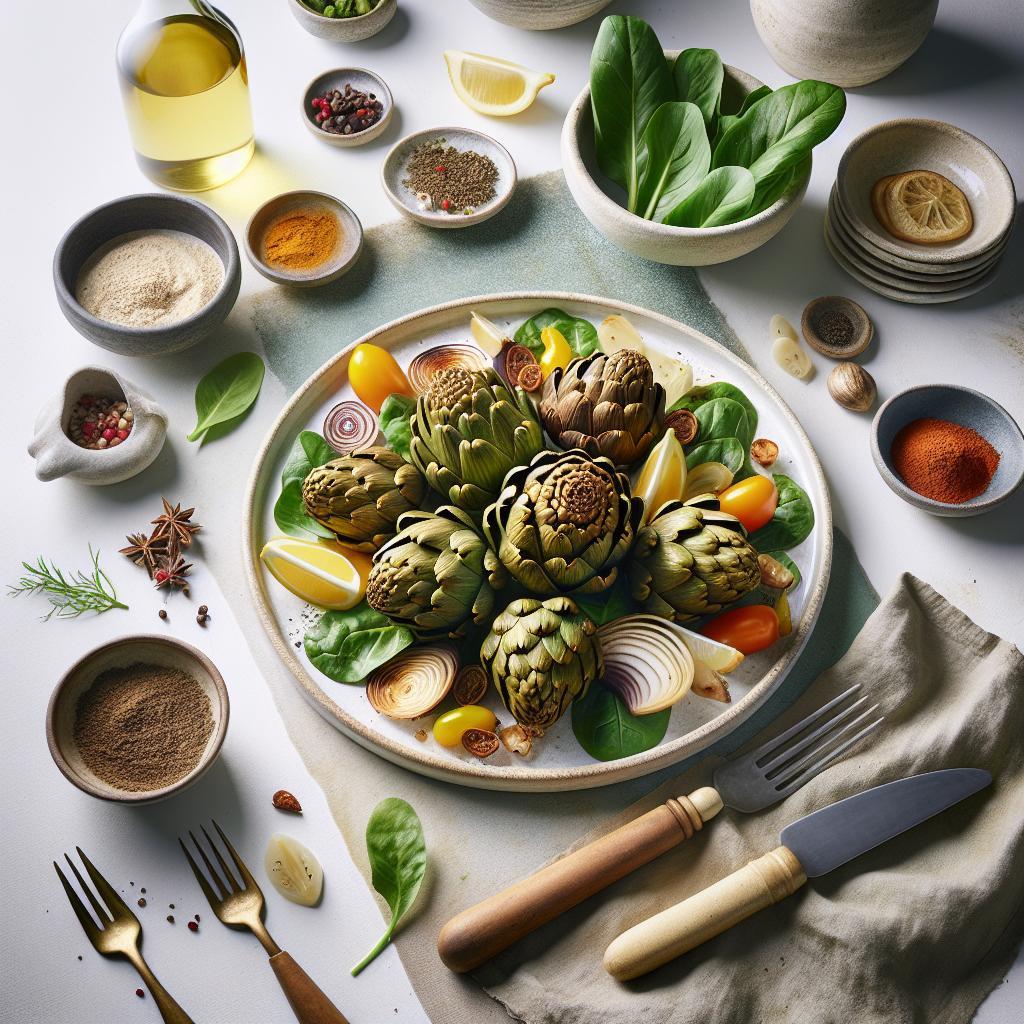
Serve these golden sautéed Jerusalem artichokes as a delightful side for roasted meats or grilled fish. Add a sprinkle of toasted pine nuts or a dollop of creamy yogurt to balance textures and flavors. The fresh parsley garnish lends a burst of color, while a light lemon drizzle perks up the palate. Embrace their nutty sweetness alongside a crisp green salad or roasted root vegetables for an inviting autumnal plate.

| Nutrient | Per Serving |
|---|---|
| Calories | 140 kcal |
| Protein | 2 g |
| Carbohydrates | 30 g |
| Fat | 6 g |
| Dietary Fiber | 5 g (primarily inulin) |
For further reading on how inulin positively influences gut flora while potentially causing sensitivities, visit the National Center for Biotechnology Information.
Discover more recipes that utilize tubers with gentle digestion here.
Q&A
Q&A: Why Jerusalem Artichokes Might Upset Your Stomach After Eating
Q: What exactly are Jerusalem artichokes?
A: Despite the name, Jerusalem artichokes aren’t from Jerusalem, nor are they artichokes. They’re knobby, tuberous roots of a sunflower species, prized for their sweet, nutty flavor and crunchy texture. Also known as sunchokes, they’re a popular veggie in autumn and winter dishes.
Q: Why do Jerusalem artichokes sometimes cause stomach discomfort?
A: The main culprit is a type of carbohydrate called inulin. It’s a fiber-like sugar that humans can’t digest in the small intestine. Instead, it travels to the colon intact, where gut bacteria ferment it, producing gas. This can lead to bloating, cramping, and that notorious stomach upset.
Q: Is the inulin in Jerusalem artichokes bad for you?
A: Not at all! Inulin is considered a prebiotic fiber-it helps feed the good bacteria in your gut, potentially boosting digestive health and immunity. But it can be a bit of a double-edged sword, especially if you’re not used to eating high-inulin foods.
Q: How can I enjoy Jerusalem artichokes without the pain?
A: Start slow. Introduce small amounts into your diet and gradually increase quantities to give your gut time to adjust. Cooking methods also matter-boiling or roasting until very soft can help break down some of the inulin. Some people find soaking or sprouting the tubers before cooking reduces the gas effect.
Q: Are all people equally affected by Jerusalem artichokes?
A: No, sensitivity varies! If you have a sensitive stomach, irritable bowel syndrome (IBS), or fructose malabsorption, you might notice more pronounced symptoms. Others might enjoy them with hardly a twinge.
Q: Can Jerusalem artichokes cause any serious digestive issues?
A: Generally, no. The symptoms are usually mild and temporary-bloating, gas, or mild cramps. If you experience severe pain or persistent issues, it’s wise to check with a healthcare professional to rule out other conditions.
Q: What’s the takeaway? Should I avoid Jerusalem artichokes?
A: Not necessarily. They’re a nutritious, flavorful vegetable with unique health benefits. Just be mindful of your portion size and preparation. Your gut might grumble at first, but with time, you can likely welcome sunchokes to your plate without the stomach revolt.
In Summary
In the end, while Jerusalem artichokes offer a delightful nutty flavor and a wealth of nutrients, they come with a little digestive caveat that’s hard to ignore. If your stomach starts to protest after indulging, you’re not alone-these knobby tubers contain inulin, a fiber that friendly gut bacteria love but your digestive system might find a bit overwhelming. So, the next time you bite into this earthy treat, remember: a little caution can go a long way in keeping your tummy happy. Embrace the artichoke’s charm, but listen closely to your gut’s whispers-it’s all part of the culinary adventure!