
Imagine stepping into a bustling kitchen filled with vibrant flavors, each ingredient whispering tales of comfort and delight. For many navigating the world of digestive health, however, this sensory symphony can feel like an unpredictable maze. Welcome to the journey of mastering FODMAPs-a dietary approach designed to tame the turbulence of sensitive stomachs. In this guide, we’ll unlock the secrets of smooth reintroduction, empowering you to reawaken your palate, reclaim your gut’s harmony, and rediscover the joy of eating without fear. Whether you’re just emerging from the elimination phase or looking to fine-tune your FODMAP intake, this article is your trusted companion on the road to digestive freedom.
- Understanding FODMAPs and Their Impact on Digestive Health
- Strategic Planning for a Successful FODMAP Reintroduction
- Identifying Personal Triggers Through Targeted Food Testing
- Practical Tips for Maintaining Balance After Reintroduction
- Prep and Cook Time
- Yield
- Difficulty Level
- Ingredients
- Instructions
- Chef’s Notes
- Serving Suggestions
- Q&A
- Concluding Remarks
Understanding FODMAPs and Their Impact on Digestive Health
Mastering FODMAPs: Your Guide to Smooth Reintroduction begins with a clear understanding of what FODMAPs are-short-chain carbohydrates that some people struggle to digest, leading to uncomfortable symptoms like bloating, gas, and abdominal pain. These naturally occurring sugars feed gut bacteria, sometimes triggering digestive distress for those with irritable bowel syndrome (IBS) or sensitivities. Knowing how they affect your digestive system is key to regaining balance and comfort, empowering you to take control of your gut health with confidence and ease.
During elimination phases, restricting high-FODMAP foods can provide relief, but the ultimate goal is to reintroduce these foods gradually and discover personal tolerance levels. This journey is about tuning into your body’s unique signals, transforming confusion into clarity.
Strategic Planning for a Successful FODMAP Reintroduction
Approaching reintroduction with a strategic plan makes all the difference. Begin by focusing on one FODMAP group at a time-such as oligosaccharides, polyols, or fructose-to isolate potential triggers effectively. Keep detailed notes on portion size, timing, and symptoms to gather useful insights. Introducing small servings initially helps minimize discomfort and builds a personalized tolerance map over time.
Consider using a food diary or a digital app to track your experience, and pace the process at least three days per food group. This measured approach brings both structure and patience to what can feel like an overwhelming endeavor.
Identifying Personal Triggers Through Targeted Food Testing
Personal triggers vary widely, making targeted food testing critical. With your personalized plan in place, systematically add single FODMAP foods back into your diet. For example, try a small portion of garlic-infused oil, then escalate only if tolerated well. This gradual exposure sharpens your awareness and helps distinguish between true sensitivity and occasional digestive upsets.
Reintroduction doesn’t just identify triggers-it highlights safe foods you can enjoy freely, expanding your diet and culinary possibilities. This empowers you to craft delicious meals that respect your gut’s unique needs.
Practical Tips for Maintaining Balance After Reintroduction
Balance is the heart of long-term digestive wellness. Once triggers are identified, focus on moderation rather than elimination. Incorporate low-FODMAP alternatives and combine high-FODMAP foods thoughtfully within balanced meals. Hydration, mindful eating, and stress reduction complement your dietary efforts beautifully.
Remember, your gut health is dynamic-it may adapt over time, so revisit and revise your food plan periodically. Embrace variety and seasonality, and savor every bite knowing you’ve mastered FODMAPs with grace.
Prep and Cook Time
- Preparation: 10 minutes
- Active Testing & Monitoring: Variable, typically 3-4 days per FODMAP group
Yield
- Personalized tolerance plan tailor-made to individual digestive responses
Difficulty Level
- Medium: Requires commitment, observation, and patience
Ingredients
- Notebook or food tracking app for detailed journaling of symptoms and portions
- Variety of low to moderate FODMAP foods for stepwise testing (e.g., garlic-infused oil, lactose-free yogurt, firm tofu)
- Measuring spoons and cups to maintain precise portion sizes
- Support resources, such as Monash University’s FODMAP guide
Instructions
- Prepare your tracking system. Whether a food diary or an app, commit to logging every reintroduced food, portion size, and observed symptoms.
- Choose one FODMAP group to reintroduce. Start with foods low in the group, like honeydew melon for fructose or firm tofu for polyols.
- Introduce a small serving. For example, 1 teaspoon of garlic-infused oil. Monitor symptoms closely over 3 days, noting any digestive reactions.
- Gradually increase portion size if tolerated. Double portions every subsequent trial while continuing observation.
- If symptoms appear, pause and document. Allow your body to reset before trying another food.
- Move on to the next FODMAP group. Repeat the process methodically until all groups are tested.
- Create your personal tolerance map. Use collected data to know which foods and portions suit your digestive system best.
- Integrate findings into meal planning. Use low-FODMAP recipes from our comprehensive collection to inspire balanced eating.
Chef’s Notes
- Start small and stay patient. Slow progression is key-rushing may cause unnecessary discomfort and skew results.
- Hydrate well. Water aids digestion and reduces bloating during testing phases.
- Use garlic-infused oil instead of raw garlic. This retains flavor with low FODMAP content.
- Be mindful of symptom overlap. Fatigue and stress can mimic digestive distress, so track lifestyle factors too.
- Keep your kitchen stocked. Having low-FODMAP staples on hand helps maintain culinary creativity and ease.
- Seek support. Professional guidance from dietitians with FODMAP expertise can enhance success.
Serving Suggestions
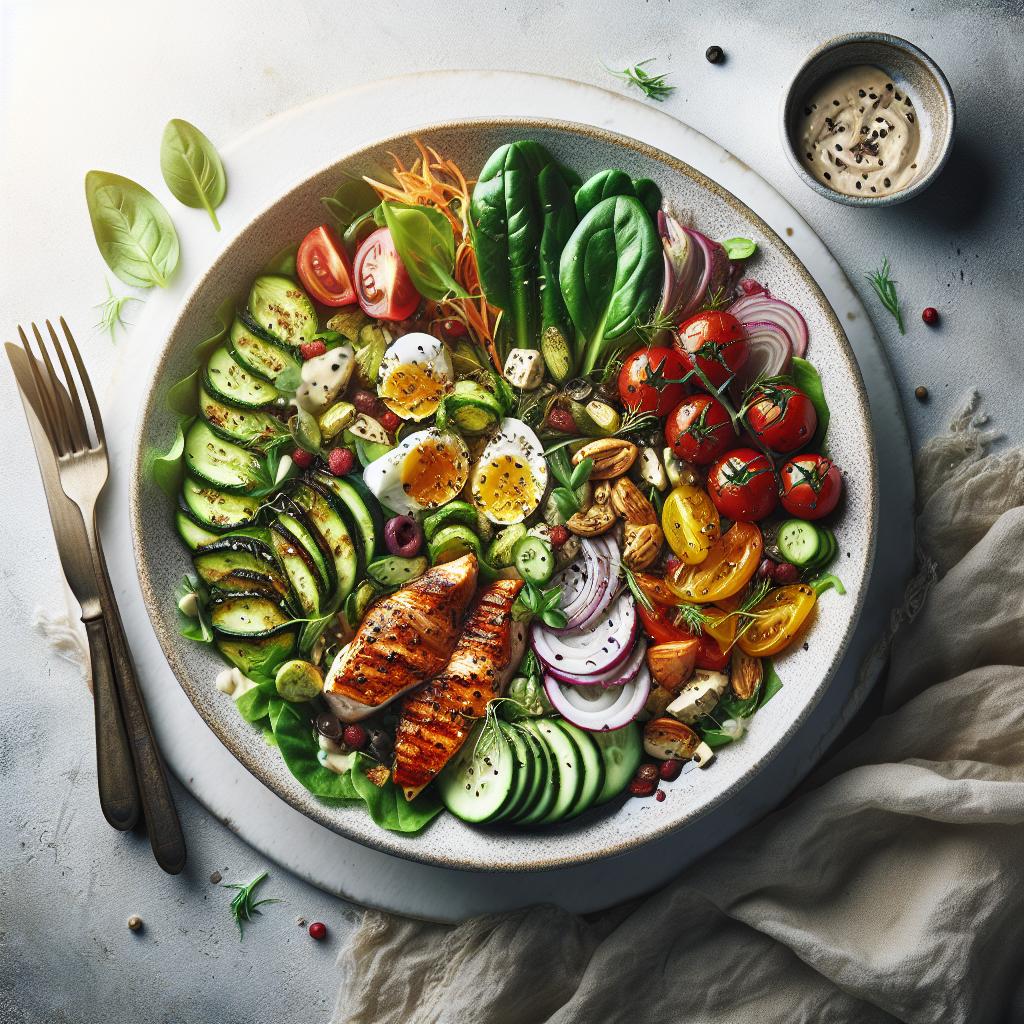
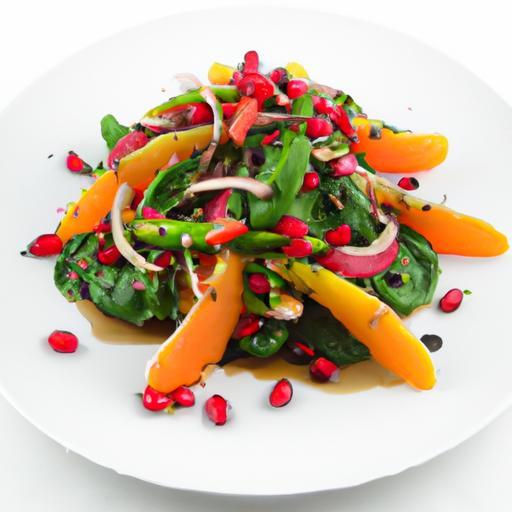
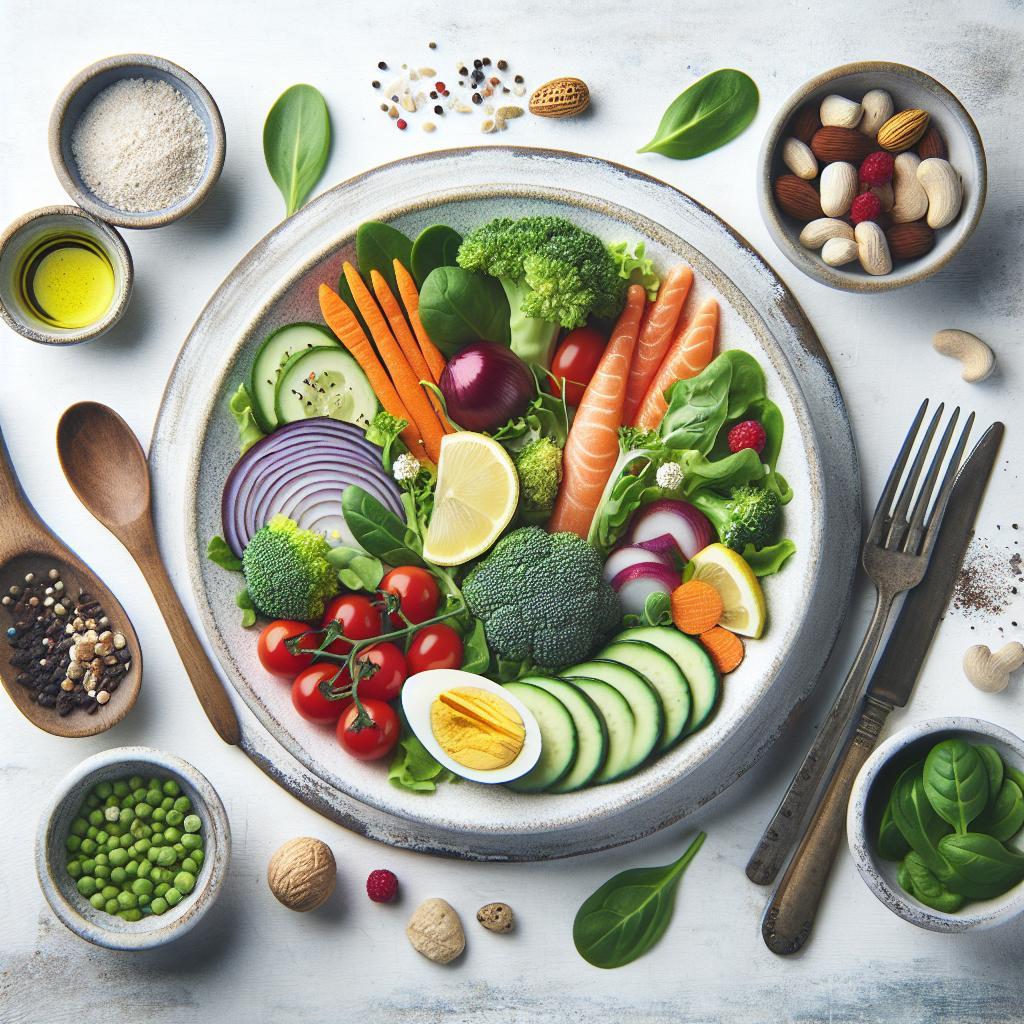
Once you’ve identified your personal FODMAP triggers, create delightful, gut-friendly meals that celebrate fresh herbs, vibrant vegetables, and moderate portions of tolerated ingredients. Garnish with fresh parsley, a drizzle of infused oils, or a wedge of lemon to brighten flavors without adding FODMAP load. Enjoy salads with crisp cucumbers and shredded carrots, or warm bowls of quinoa paired with sautéed firm tofu and ginger for a cozy, comforting experience.

| Food Tested | Typical Serving Size | FODMAP Group | Symptom Response |
|---|---|---|---|
| Garlic-Infused Oil | 1 tsp | Fructans (Oligosaccharides) | Well tolerated |
| Lactose-Free Yogurt | ½ cup | Lactose | No symptoms |
| Watermelon | 1 cup | Polyols | Mild bloating |
Q&A
Q&A: Mastering FODMAPs – Your Guide to Smooth Reintroduction
Q1: What exactly are FODMAPs, and why should I care?
A1: FODMAPs are a group of fermentable carbohydrates found in many everyday foods-think fructose, lactose, fructans, galacto-oligosaccharides, and polyols. For some folks, especially those with IBS or sensitive guts, these little molecules can cause bloating, cramps, gas, and other digestive drama. Knowing how to navigate FODMAPs can make your tummy happy and your days more comfortable.
Q2: I’ve heard about the low-FODMAP diet. What’s reintroduction, and why is it important?
A2: The low-FODMAP diet is like hitting the “reset” button on your gut by temporarily cutting out high-FODMAP foods. But it’s not meant to be a forever thing. Reintroduction is the phase where you test out different FODMAP groups one at a time to discover exactly which cause your symptoms. It’s like detective work for your digestion, helping you tailor a eating plan that’s both enjoyable and gentle on your gut.
Q3: How do I start the FODMAP reintroduction process without feeling overwhelmed?
A3: Take a deep breath! Start by picking one FODMAP group-maybe fructans or lactose-and introduce a small, controlled amount into your meals for a few days. Keep a food and symptom diary. If symptoms flare up, pause and note what triggered it. Then, after a washout period, move on to the next group. Slow and steady is the secret sauce.
Q4: Are there any tools or tricks to make reintroducing FODMAPs smoother?
A4: Absolutely! Use apps or journals to track your trials and symptoms, plan your meals ahead, and prepare simple recipes with one variable ingredient. Partnering with a dietitian who knows the low-FODMAP way can also be a game-changer-they guide you like a seasoned navigator through the maze of foods.
Q5: What happens if I discover a FODMAP that still causes trouble after reintroduction?
A5: No worries-knowledge is power! If a specific FODMAP triggers symptoms, you can learn to limit or avoid that one while still enjoying others. This personalized approach means you don’t have to restrict your whole diet unnecessarily, making eating more enjoyable and balanced.
Q6: Can mastering FODMAP reintroduction improve my overall relationship with food?
A6: Absolutely! It’s not just about managing symptoms; it’s about reclaiming confidence with food choices. Reintroduction helps transform confusion and fear into understanding and empowerment, turning your gut health journey into a mindful, satisfying adventure.
Q7: Any final tips for mastering FODMAP reintroduction?
A7: Be patient, be curious, and listen to your body. Celebrate small victories and remember that everyone’s gut story is unique. With thoughtful experimentation and a little creativity, mastering FODMAPs can become your recipe for digestive harmony.
Concluding Remarks
As you embark on your journey to reintroduce FODMAPs with confidence and care, remember that mastery is less about perfection and more about understanding your unique digestive landscape. Each step forward is a discovery, a clue unlocking the puzzle of what fuels your wellbeing and what calls for caution. Equipped with patience, mindfulness, and the insights from this guide, you’re now ready to navigate the reintroduction process with grace. Here’s to turning FODMAP mastery into a personalized roadmap-one that leads to vibrant health and a life that’s as enjoyable as it is comfortable. Welcome to your new chapter of digestive harmony.