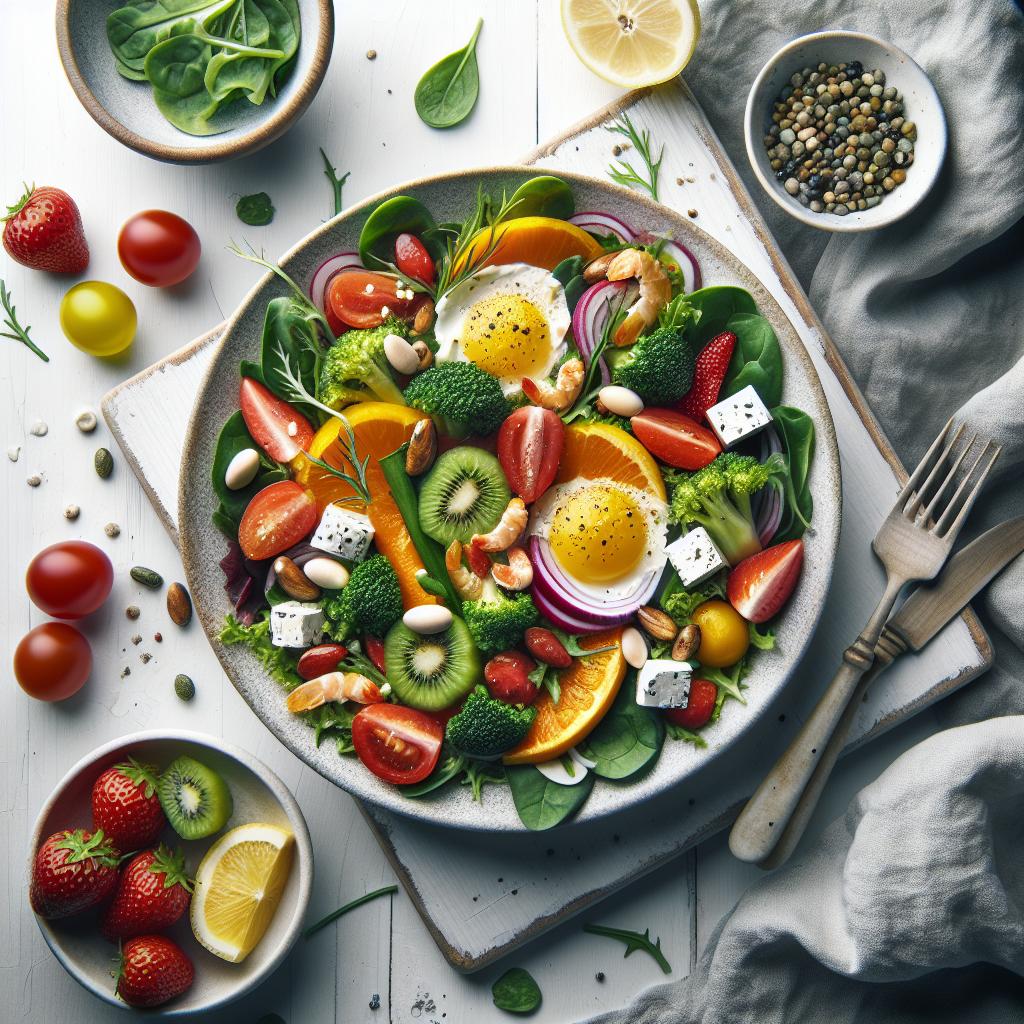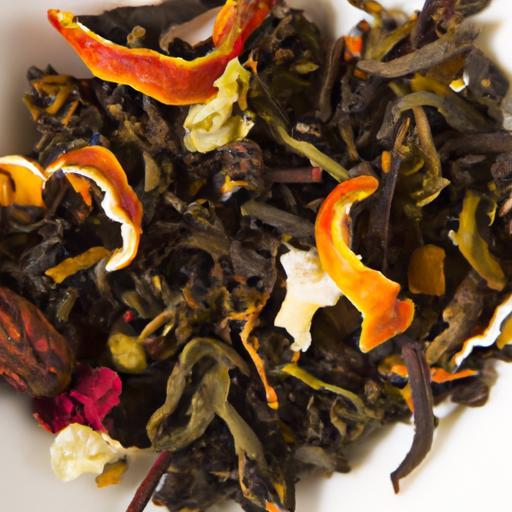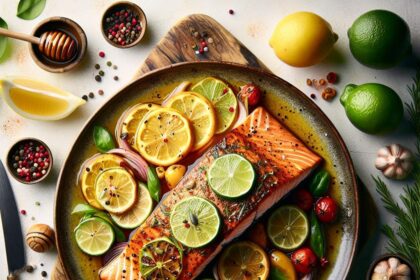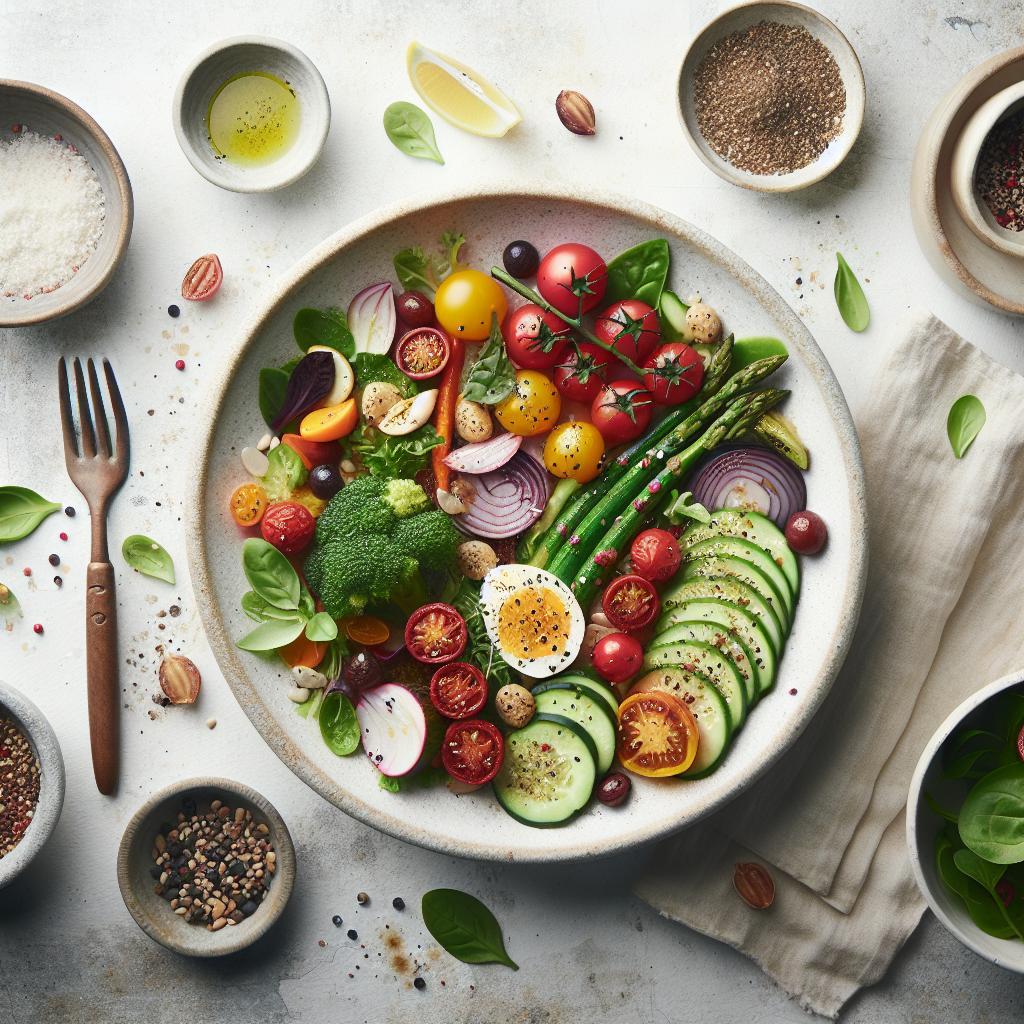

When you think of vitamin C, citrus fruits like oranges and lemons probably come to mind first-a classic duo synonymous with this essential nutrient. But what if we told you that nature’s vitamin C treasures run far deeper than your typical fruit bowl favorites? Beyond the familiar tangy bites lies a world of surprising and unexpected foods packed with this powerful antioxidant, quietly waiting to boost your health in deliciously unconventional ways. In this article, we’ll unlock these hidden vitamin C gems, shining a light on the lesser-known edibles that can elevate your wellness game, one surprising bite at a time. Prepare to rethink your grocery list and discover a new spectrum of vibrant, nourishing options you never knew carried the vitamin C punch your body craves.
Hidden Vitamin C Gems: Surprising Foods You Didn’t Know
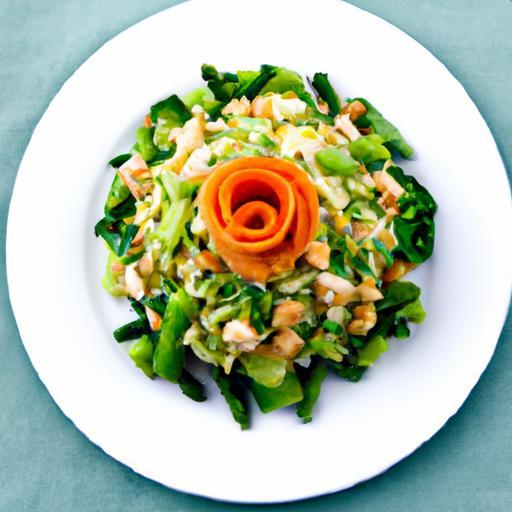
Unlock a fresh perspective on vitamin C nutrition with a salad that celebrates the brightness and tang of hidden vitamin C gems. Originating from a coastal Mediterranean kitchen, this vibrant Roasted Kinkan and Fennel Salad marries the subtle sweetness of roasted kumquats with crisp fennel and fresh herbs, delivering an unexpected burst of antioxidants and immune-boosting power in every bite. The surprising vitamin C boosters in this dish elevate a simple side into a nutrient-rich culinary experience that will refresh your daily diet and delight your palate.
Prep and Cook Time
- Preparation: 15 minutes
- Cooking: 20 minutes
- Total: 35 minutes
Yield
- Serves 4
Difficulty Level
- Easy to Medium
Ingredients
- 1 cup kumquats, washed and halved
- 1 large fennel bulb, thinly sliced (reserve fronds for garnish)
- 1/4 cup fresh mint leaves, roughly chopped
- 1/4 cup fresh parsley, finely chopped
- 1 tablespoon extra virgin olive oil
- 1 teaspoon honey
- Juice of 1 lemon (preferably Meyer lemon for a sweeter note)
- 1/4 teaspoon sea salt
- Freshly cracked black pepper, to taste
- 1/3 cup toasted sliced almonds, for crunch
Instructions
- Preheat your oven to 375°F (190°C). Line a baking sheet with parchment paper.
- Toss the kumquats with 1/2 tablespoon of olive oil and 1/2 teaspoon honey on the prepared sheet. Roast for 15 minutes until slightly caramelized and fragrant. Keep an eye to prevent burning.
- While kumquats roast, prepare the fennel. Thinly slice the bulb, preserving the fennel fronds for garnish. Transfer slices to a large salad bowl.
- In a small bowl, whisk together remaining olive oil, honey, lemon juice, salt, and cracked black pepper to create a zesty dressing.
- Once the kumquats are cooled slightly, add them to the fennel. Pour the dressing over and gently toss to coat evenly without bruising the delicate herbs.
- Mix in the fresh mint and parsley, letting the herbal aromas infuse the salad.
- Top the salad with toasted sliced almonds and scatter reserved fennel fronds for a bright, citrusy garnish that also hints at the vitamin C-rich ingredients within.
- Serve immediately to enjoy the contrast of warm kumquats and crisp fennel, or chill briefly for a refreshing chilled salad experience.
Tips for Success
- To maximize vitamin C absorption from kumquats and fennel, enjoy this salad alongside a source of healthy fats like olive oil to enhance bioavailability.
- If you prefer a sweeter touch, substitute honey with maple syrup for a vegan option. Avoid overheating the kumquats to preserve their delicate nutrients.
- For added texture, consider sprinkling pomegranate seeds-another hidden vitamin C gem-for bursts of juiciness and color.
- This salad can be made ahead; simply keep the dressing separate until ready to serve to maintain freshness and crunch.
- Substitute fennel with thinly sliced radishes or celery root if fennel isn’t available, both of which contribute their own nutritional benefits.
Serving Suggestions
This salad shines as a sophisticated side for grilled fish or roasted chicken, especially when paired with a light, citrus-forward Sauvignon Blanc. For a vegetarian meal, serve atop a bed of mixed greens or dressed quinoa for a complete, vitamin C-packed feast. Garnish plates with additional kumquat slices and fennel fronds for a visually stunning presentation that highlights the recipe’s hidden vitamin C gems.

| Nutrient | Amount per Serving |
|---|---|
| Calories | 140 kcal |
| Protein | 2 g |
| Carbohydrates | 18 g |
| Fat | 7 g |
| Vitamin C | 45 mg (50% DV) |
Learn more about integrating unique vitamin C sources into your meals on our nutritional benefits of citrus relatives page. For further scientific insight into vitamin C absorption, visit the NIH Office of Dietary Supplements.
Q&A
Q&A: Hidden Vitamin C Gems – Surprising Foods You Didn’t Know
Q1: We all know oranges are packed with vitamin C, but what are some unexpected foods rich in this essential nutrient?
A1: Absolutely! While citrus fruits are famous for vitamin C, think beyond the obvious. Foods like red bell peppers, kiwi, strawberries, and papaya are fantastic sources. But here’s a twist-did you know certain leafy greens, like kale and mustard greens, and even some herbs such as parsley, hold impressive vitamin C levels too?
Q2: Can unusual fruits contribute to your daily vitamin C intake?
A2: Yes! Exotic fruits like acerola cherries, camu camu berries, and kakadu plums are vitamin C powerhouses, often containing many times more than an orange. These hidden gems are nature’s secret stash for anyone looking to boost their immune system with something exciting and new.
Q3: Are there any vegetables that might surprise people with their vitamin C content?
A3: Definitely! Take broccoli and brussels sprouts, for example-they’re vitamin C champions in the vegetable world. Even some root vegetables like rutabagas and turnips contain respectable amounts of vitamin C, perfect for those aiming to diversify their nutrient intake.
Q4: How about nuts, seeds, or grains-do they contain vitamin C?
A4: Vitamin C is mostly found in fresh plant foods and is rarely present in nuts, seeds, or grains. However, sprouts from certain grains, such as wheatgrass or alfalfa, can offer modest amounts of this vitamin, giving a little unexpected boost to your diet.
Q5: Why should we look for these hidden vitamin C foods instead of just sticking to citrus?
A5: Variety is the spice of life-and nutrition! Exploring these lesser-known sources not only prevents dietary boredom but also ensures you get a broader spectrum of antioxidants, fiber, and other nutrients. Plus, different foods metabolize vitamin C uniquely, which can improve absorption and effectiveness.
Q6: Any tips for maximizing vitamin C intake from these hidden gems?
A6: Freshness is key-vitamin C degrades with heat and time. Try eating these foods raw or lightly steamed. Also, pairing vitamin C-rich foods with iron-rich items can boost iron absorption, which is a double win for your health!
Q7: Can cooking destroy the vitamin C content in these foods?
A7: Unfortunately, vitamin C is sensitive to heat, light, and air. Long cooking times and high temperatures can reduce its levels significantly. To keep the vitamin C intact, opt for quick steaming, stir-frying, or consuming foods raw when possible.
Q8: Any fun facts about vitamin C sources that might surprise readers?
A8: Sure thing! Did you know the kiwi fruit was once called the “Chinese gooseberry”? And the kakadu plum from Australia has the highest known concentration of vitamin C in any food-up to 100 times that of an orange! These facts remind us how fascinating the plant world is.
Q9: How can someone incorporate these hidden vitamin C treasures into their daily meals?
A9: Get creative: toss fresh parsley into salads or smoothies, stir-fry red bell peppers with your favorite dishes, add kiwi slices to morning oatmeal, or snack on acerola cherry supplements. The possibilities are endless and enjoyable!
These hidden vitamin C gems prove that nature holds myriad surprises, waiting to enrich our plates and boost our health in vibrant, unexpected ways.
In Summary
As we peel back the layers of everyday edibles, it’s clear that vitamin C hides in more places than the classic citrus spotlight. From vibrant bell peppers to tangy kale, these unexpected contenders prove that nature’s pantry is full of nutritious surprises waiting to be discovered. So next time you reach for a snack or stock your grocery cart, remember: boosting your immune system and nourishing your body doesn’t always mean sticking to the familiar. Embrace these hidden vitamin C gems, and let your meals become a colorful celebration of health and flavor-because sometimes, the best vitamins are the ones hiding in plain sight.