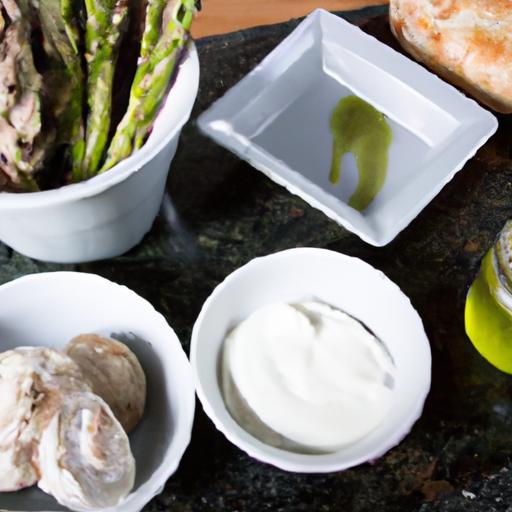

In a world that moves at a relentless pace, finding balance often feels like an elusive quest. Enter adaptogens – nature’s gentle warriors, ready to harmonize mind and body amidst stress and chaos. “Nourish Naturally: Crafting a Simple Adaptogenic Meal” invites you to explore how these remarkable herbs and roots can transform your everyday eating into a mindful ritual of resilience. Beyond flavor, adaptogens offer a quiet strength, subtly supporting your body’s ability to adapt and thrive. Join us as we blend tradition with modern simplicity, creating meals that don’t just satisfy hunger, but nourish your very essence.
Nourish Naturally by crafting a simple adaptogenic meal that unites ancient wisdom and modern nourishment. Adaptogens-nature’s balancing herbs-infuse your dish with resilience-enhancing benefits while harmonizing with whole foods to uplift body and mind. Drawing inspiration from traditional herbal medicine, this recipe transforms everyday ingredients into a vibrant, nutrient-packed feast. Prepare to delight your palate with earthy roots, fragrant spices, and a touch of culinary alchemy that invites wellness to your table.
Prep and Cook Time
Preparation: 15 minutes | Cooking: 25 minutes | Total Time: 40 minutes
Yield
Serves 4 hearty portions
Difficulty Level
Easy to Medium – perfect for home cooks eager to explore adaptogenic cooking without fuss
Ingredients
- 1 cup quinoa, rinsed thoroughly
- 2 cups vegetable broth, low sodium
- 1 tsp dried ashwagandha powder (preferably organic)
- 1 tbsp fresh ginger, finely grated
- 1 large carrot, julienned
- 1 cup chopped kale, stems removed
- 1/2 cup sliced shiitake mushrooms
- 1 tbsp coconut oil
- 2 cloves garlic, minced
- 1/4 cup chopped fresh parsley
- 1 tbsp tamari or soy sauce (gluten-free option available)
- 1/2 tsp ground turmeric
- Salt and freshly ground black pepper, to taste
- 1/4 cup toasted pumpkin seeds, for garnish
- Juice of half a lemon (optional, for freshness)
Instructions
- Cook the quinoa: In a medium saucepan, combine rinsed quinoa and vegetable broth. Add the dried ashwagandha powder and turmeric. Bring to a boil, then reduce heat to low, cover, and simmer for 15 minutes or until all liquid is absorbed. Fluff with a fork and set aside.
- Sauté the aromatics: While quinoa cooks, heat coconut oil in a large skillet over medium heat. Add minced garlic and grated ginger. Sauté until fragrant, about 1-2 minutes, taking care not to brown the garlic.
- Cook the vegetables: Add the sliced shiitake mushrooms and julienned carrots to the skillet. Cook for 5 minutes, stirring occasionally until mushrooms release their moisture and carrots begin to soften.
- Add the kale: Stir in chopped kale and tamari. Continue cooking for another 3-4 minutes, until kale wilts but retains a vibrant green color. Season with salt and pepper to taste.
- Combine quinoa and veggies: Transfer the cooked quinoa into the skillet with the vegetables. Gently mix everything together with the fresh parsley, allowing flavors to blend over low heat for 2 minutes. Adjust seasoning as desired.
- Finish and serve: Remove from heat, drizzle with fresh lemon juice for brightness (if using), and garnish with toasted pumpkin seeds for delightful crunch and additional nutrients.
Tips for Success
- For a nutty depth, toast the quinoa in the saucepan for 2-3 minutes before adding the liquid.
- Substitute ashwagandha with other powdered adaptogens such as rhodiola or holy basil for variety.
- If fresh shiitake mushrooms aren’t available, cremini or portobello work beautifully.
- Prepare quinoa in advance and refrigerate to save time during busy evenings.
- Use a light hand with turmeric to avoid overpowering the subtle earthiness from ashwagandha.
Serving Suggestions
Present this nourishing bowl in wide ceramic dishes to showcase its vibrant hues-a tapestry of deep greens, golden quinoa, and bright orange carrot ribbons. Serve alongside a tangy fermented kimchi or a crisp cucumber salad for contrast. Pair with a warm cup of ginger-infused herbal tea to complete your adaptogenic dining experience.
| Nutrient | Per Serving |
|---|---|
| Calories | 320 kcal |
| Protein | 9 g |
| Carbohydrates | 45 g |
| Fat | 7 g |

Discover more wholesome recipes and adaptogenic insights in our Healthy Adaptogenic Recipes collection. For scientific background on adaptogens, visit the National Center for Biotechnology Information.
Q&A
Q&A: Nourish Naturally – Crafting a Simple Adaptogenic Meal
Q1: What are adaptogens, and why should I incorporate them into my meals?
A1: Adaptogens are nature’s stress-busting herbs and roots that help your body adapt to physical and mental challenges. Incorporating them into your meals is like giving your body a gentle hug-balancing energy, reducing fatigue, and promoting overall well-being with every bite.
Q2: Can you name a few common adaptogenic ingredients that are easy to cook with?
A2: Absolutely! Think of reishi mushrooms, ashwagandha root, holy basil (tulsi), maca powder, and schisandra berries. These gems seamlessly blend into teas, smoothies, soups, or even simple stir-fries, turning everyday dishes into wellness powerhouses.
Q3: How do I begin crafting my own adaptogenic meal without feeling overwhelmed?
A3: Start simple. Choose one or two adaptogens that resonate with your health goals. For example, an ashwagandha-spiced quinoa bowl with roasted veggies can be a nourishing launchpad. Focus on whole, fresh ingredients and let the adaptogen be the subtle star enhancing flavor and vitality.
Q4: Are there any special preparation tips to unlock the full benefits of adaptogens?
A4: Yes! Many adaptogens release their magic best when gently simmered or steeped-like brewing a calming tea from holy basil or slow-cooking reishi into broth. Also, pairing them with healthy fats (think avocado or olive oil) can improve absorption of their beneficial compounds.
Q5: Can adaptogenic meals fit into any diet style?
A5: Definitely. Whether you’re vegan, keto, gluten-free, or a curious omnivore, adaptogens are versatile allies. They complement diverse dietary approaches by adding natural balance without imposing strict limitations.
Q6: How often should I include adaptogenic meals in my routine?
A6: Consistency is key but listen to your body. Enjoy adaptogenic meals several times a week to allow gradual, gentle support. Like a seasonal tune-up, it’s about nourishing naturally with mindful moderation.
Q7: What’s a simple recipe idea to try for a first adaptogenic meal?
A7: Try a warming golden milk latte-blend turmeric, ashwagandha powder, coconut milk, a dash of cinnamon, and a drizzle of honey. Sip slowly and savor the comforting rhythm of nature working for you, one spoonful at a time.
Embrace adaptogens not as a trend but as a timeless invitation: to nourish naturally, craft simply, and thrive vibrantly.
To Conclude
As we conclude our journey through the world of adaptogenic meals, remember that nourishing your body doesn’t have to be complicated. By embracing nature’s gifts-those humble herbs and wholesome ingredients-you craft more than just a meal; you create a ritual of resilience and vitality. Each bite becomes an act of self-care, a way to harmonize body, mind, and spirit. So next time you step into your kitchen, let simplicity guide you, and let the power of adaptogens be your secret ingredient to thriving naturally. Here’s to meals that nourish not just your hunger, but your whole being.