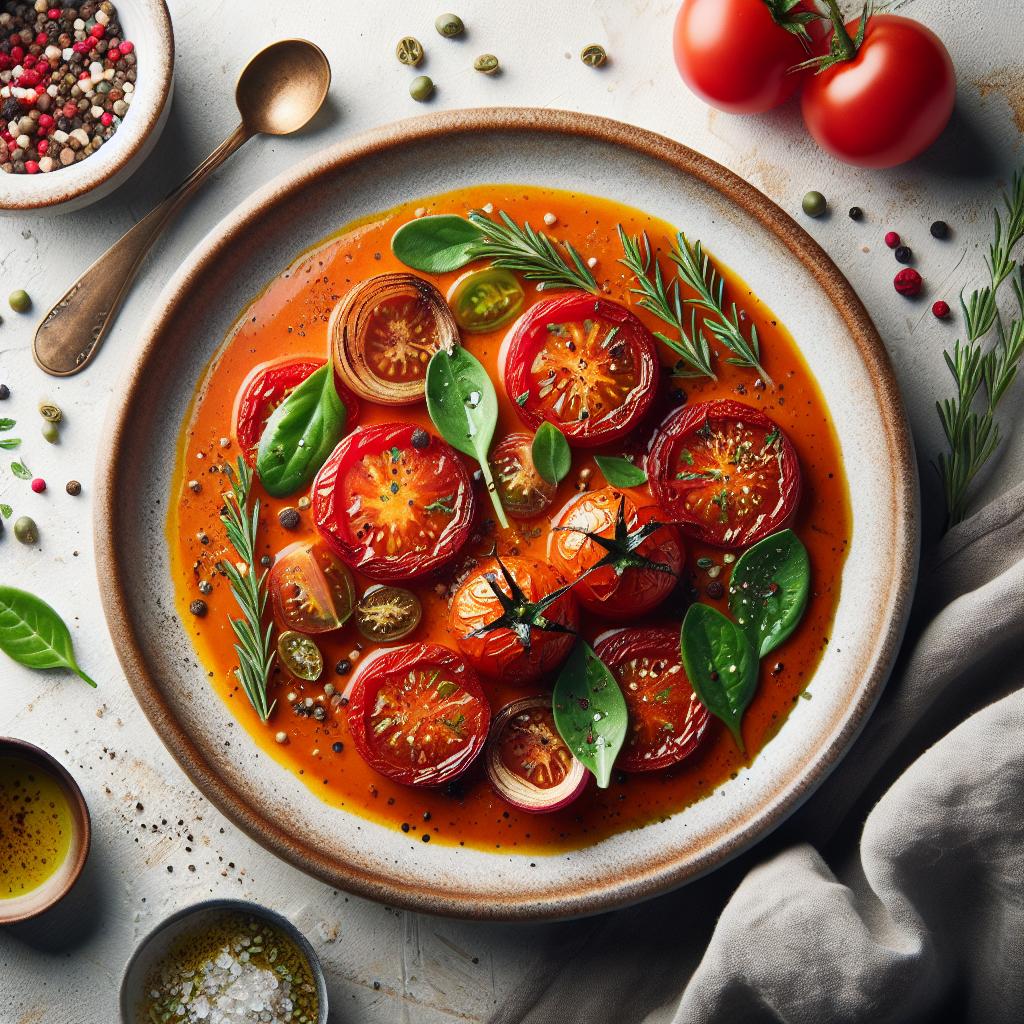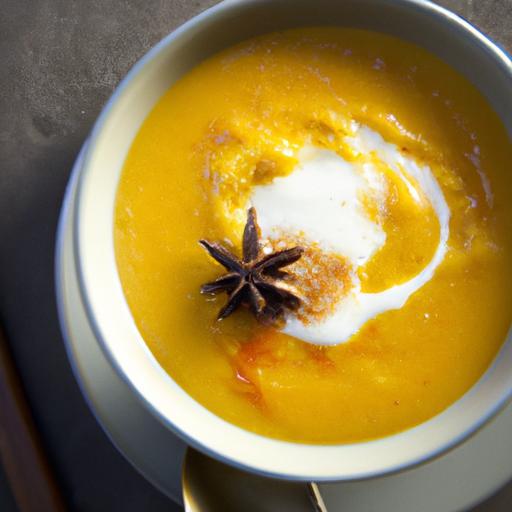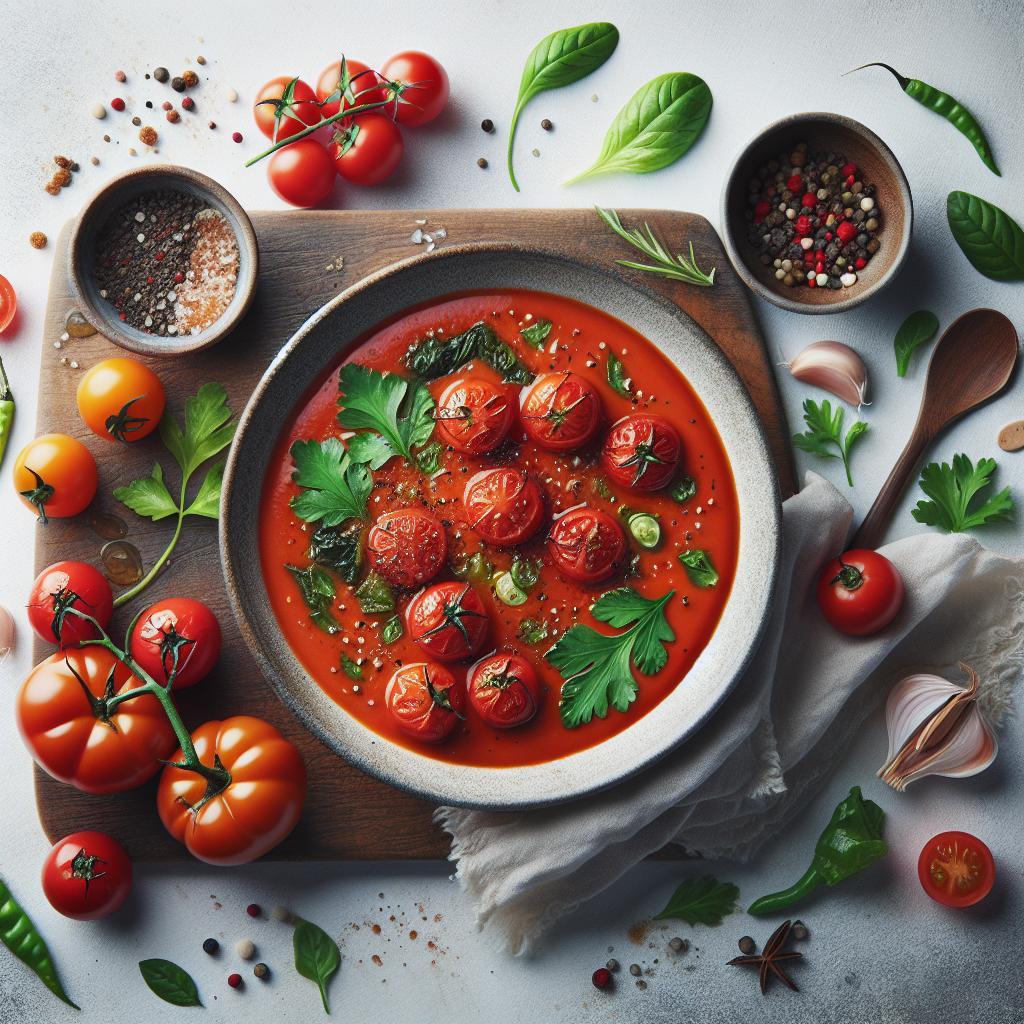

There’s a timeless comfort in a steaming bowl of roasted tomato soup-a dish that transforms humble garden ingredients into a symphony of deep, smoky flavors and velvety richness. More than just a humble starter or a nostalgic classic, roasted tomato soup is an artful celebration of simplicity and patience, where slow-roasting tomatoes unlock their natural sweetness and deepen their complexity. In this article, we’ll delve into the fascinating craft behind this beloved recipe, exploring how the roasting process elevates ordinary tomatoes into a luscious, layered indulgence that warms both heart and palate. Prepare to savor every spoonful of this culinary masterpiece.
- Prep and Cook Time
- Yield
- Difficulty Level
- The Science Behind Roasting Tomatoes to Enhance Flavor
- Selecting the Perfect Tomato Varieties for Deep, Rich Soup
- Mastering the Balance of Aromatics and Seasonings
- Tips for Achieving Creamy Texture Without Cream
- Ingredients
- Instructions
- Chef’s Notes and Tips for Success
- Serving Suggestions
- Q&A
- The Way Forward
Savor the Richness: The Art of Roasted Tomato Soup
Savor the Richness: The Art of Roasted Tomato Soup invites you into a world where simple ingredients transform into a velvety, flavor-packed experience. This soup’s magic begins with slow roasting, which intensifies the natural sweetness and umami of tomatoes, creating a depth rarely matched by fresh or canned varieties. Whether it’s a cozy autumn evening or a refreshing spring appetizer, this tomato soup captures the essence of comfort food elevated by culinary science and inspired technique.
Prep and Cook Time
- Preparation Time: 15 minutes
- Cooking Time: 50 minutes
- Total Time: 1 hour 5 minutes
Yield
Serves 6 generously
Difficulty Level
Easy to Medium – perfect for home cooks and food enthusiasts ready to refine their technique
The Science Behind Roasting Tomatoes to Enhance Flavor
Roasting tomatoes is more than a cooking method; it’s a flavor revolution. The application of dry heat caramelizes the natural sugars in tomatoes, producing a rich, complex sweetness balanced by subtle smoky notes. This Maillard reaction develops layers of savory taste often absent in raw tomatoes, unlocking deep umami flavors. Roasting also reduces moisture content, concentrating flavors and resulting in a thicker soup base without diluting freshness.
Selecting the Perfect Tomato Varieties for Deep, Rich Soup
When aiming for savory fullness, opt for Roma or plum tomatoes due to their dense flesh and low water content-ideal for roasting. These varieties offer intense flavor, fewer seeds, and a meatier texture, which translates beautifully into a luscious soup. Vine-ripened heirloom tomatoes add nuance with their varied sweetness and acidity, but a combination of Roma and a few cherry tomatoes can create an exquisite balance of taste and texture, boosting complexity.
Mastering the Balance of Aromatics and Seasonings
The aromatic foundation sets the mood for your roasted tomato soup. Start by gently roasting aromatic vegetables like garlic, shallots, and onions alongside the tomatoes for a harmonious base. Infuse the soup with fresh herbs such as basil and thyme during cooking to brighten and complement the acidic notes. Season thoughtfully-cracked black pepper enhances warmth, smoked paprika adds subtle depth, and a pinch of sugar balances acidity. Remember, layering seasonings and tasting as you go ensures each spoonful sings with complexity.
Tips for Achieving Creamy Texture Without Cream
To keep this soup creamy without dairy, embrace the power of natural thickeners and gentle blending. Using roasted vegetables adds natural body. Purée the soup thoroughly with a high-speed blender to create a velvety consistency. Incorporate a small amount of silky coconut milk or cashew cream as a luscious alternative, or simmer diced potatoes or cauliflower with the tomatoes, then blend-their starches provide a silken smooth finish. For subtle richness, finish with a drizzle of high-quality extra virgin olive oil just before serving.
Ingredients
- 3 pounds Roma tomatoes, halved
- 1 cup cherry tomatoes, whole
- 4 cloves garlic, unpeeled
- 2 medium shallots, quartered
- 1 medium onion, sliced
- 3 tbsp extra virgin olive oil
- 1 medium potato, peeled and diced
- 4 cups vegetable broth, low sodium
- 1 tsp smoked paprika
- 1 tbsp fresh thyme, chopped
- 1/4 cup fresh basil leaves, chopped
- Salt and black pepper, to taste
- Optional: 1/4 cup cashew cream or coconut milk
Instructions
- Preheat your oven to 400°F (200°C). On a large rimmed baking sheet, arrange the halved Roma tomatoes, cherry tomatoes, garlic cloves (unpeeled), shallots, and onion slices in a single layer. Drizzle evenly with 2 tbsp olive oil, and sprinkle with salt, pepper, and smoked paprika.
- Roast for 35-40 minutes until the tomatoes are caramelized and the garlic is soft, turning the vegetables halfway through to ensure even roasting.
- Remove the garlic cloves from their skins once cool enough to handle. Transfer all roasted vegetables to a large pot.
- Add diced potato and pour in the vegetable broth. Bring to a gentle boil and simmer for 15 minutes until the potatoes are tender, stirring occasionally.
- Remove from heat and stir in fresh thyme and basil. Using an immersion blender, blend the soup until silky smooth. Alternatively, transfer in batches to a blender, then return to the pot.
- If desired, stir in cashew cream or coconut milk for an extra creamy texture. Adjust seasoning with salt and pepper to taste.
- Before serving, drizzle the soup with the remaining 1 tbsp olive oil for a vibrant, glossy finish.
Chef’s Notes and Tips for Success
- Make Ahead: This soup tastes even better the next day after flavors meld-store refrigerated for up to 3 days.
- Texture Variations: For a chunkier texture, reserve some roasted tomatoes before blending and stir them in afterward.
- Herb Substitutions: Rosemary or oregano also complement roasted tomatoes beautifully if thyme or basil are unavailable.
- Vegan & Dairy-Free: Use canned coconut milk or cashew cream for silky richness that suits all dietary needs.
- Troubleshooting: If the soup tastes too acidic, add a small pinch of brown sugar or a splash of balsamic vinegar to balance flavor.
Serving Suggestions
Present this roasted tomato soup in rustic bowls and garnish with a swirl of olive oil and freshly torn basil leaves. Warm toasted artisan bread or garlic croutons add delightful texture contrasts. For a flavorful boost, top with toasted pine nuts or a sprinkle of nutritional yeast for cheesy notes. Pair with a simple green salad tossed with lemon vinaigrette to complete this comforting, sophisticated meal.

| Nutrient | Per Serving |
|---|---|
| Calories | 150 kcal |
| Protein | 4 g |
| Carbohydrates | 22 g |
| Fat | 6 g |
Explore more vegetable-forward recipes in our Hearty Vegetable Soups collection or deepen your culinary understanding of the science behind roasting vegetables.
Q&A
Q&A: Savor the Richness – The Art of Roasted Tomato Soup
Q1: What makes roasted tomato soup different from regular tomato soup?
A1: Unlike traditional tomato soup which is often boiled or simmered, roasted tomato soup transforms tomatoes through caramelization. Roasting deepens the flavor, bringing out natural sweetness and smoky undertones, creating a richer, more complex base for the soup.
Q2: Why roast the tomatoes instead of just boiling them?
A2: Roasting concentrates the tomatoes’ essence by evaporating excess moisture and caramelizing the sugars on their surface. This process intensifies the taste far beyond the bright, sometimes acidic notes of boiled tomatoes, adding layers of sweetness and savoriness that enliven each spoonful.
Q3: What are the essential ingredients to perfect this soup?
A3: The stars are ripe, juicy tomatoes (heirlooms or Roma are excellent choices), olive oil, garlic, onions, and fresh herbs like basil or thyme. A splash of cream or broth enhances texture and depth, while a pinch of smoked paprika or chili flakes can gently lift the smokiness or add subtle heat.
Q4: How do you achieve that velvety texture without losing the robust tomato flavor?
A4: After roasting, blend the tomatoes and aromatics until ultra-smooth, then strain the soup to remove seeds and skins. Cooking it gently afterward allows the flavors to marry without breaking down the silky texture. Finish with cream or butter for that luxurious mouthfeel.
Q5: Can roasted tomato soup be adapted for different dietary preferences?
A5: Absolutely! Use vegetable broth and a plant-based cream alternative for a vegan twist. For a lighter version, skip the cream and use a splash of fresh lemon juice to brighten the flavor. The roasting technique itself remains the heart of the soup’s richness.
Q6: What are some creative serving suggestions to elevate this soup experience?
A6: Serve with a drizzle of basil oil or a sprinkle of toasted pine nuts for crunch. Pair it with a grilled cheese sandwich for classic comfort or try topping with crumbled feta and fresh herbs for a Mediterranean flair. A swirl of pesto or dollop of yogurt adds both color and flavor contrast.
Q7: How can beginners avoid common pitfalls when making roasted tomato soup?
A7: Avoid overcrowding the roasting pan-tomatoes should roast, not steam. Make sure to use ripe tomatoes for natural sweetness. Don’t skip seasoning during each step to build depth. Lastly, be patient when blending and cooking; rushing can dilute the rich flavors that roasting achieves.
Q8: What’s the secret to balancing the acidity in roasted tomato soup?
A8: Roasting naturally mellows acidity, but if the soup still feels sharp, a pinch of sugar or a splash of cream can round it out. Sometimes, a small amount of baking soda neutralizes excess acid, but use sparingly to avoid altering the taste too much.
Dive in and savor every spoonful-roasted tomato soup is a celebration of the humble tomato’s rich, soulful potential.
The Way Forward
As the final spoonful of roasted tomato soup warms your palate, you’re reminded that this humble dish is much more than a simple comfort food-it’s a celebration of caramelized sweetness, smoky depth, and vibrant freshness all harmoniously blended. Mastering the art of roasting tomatoes elevates your soup from ordinary to extraordinary, revealing layers of flavor that nurture both body and soul. So next time you crave something nourishing yet decadent, invite the rich, velvety embrace of roasted tomato soup to your table-you’ll discover that patience and a careful roast truly unlock the heart of this timeless classic.