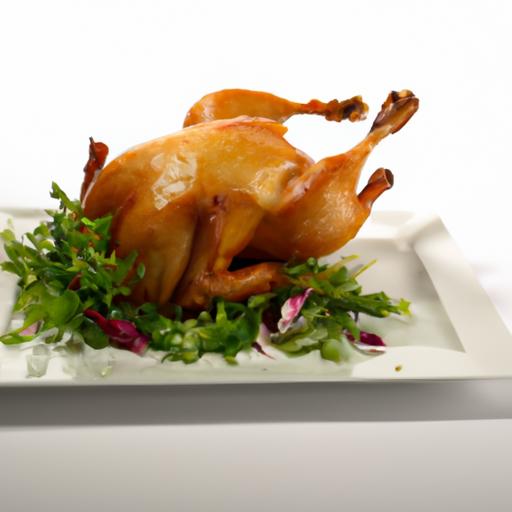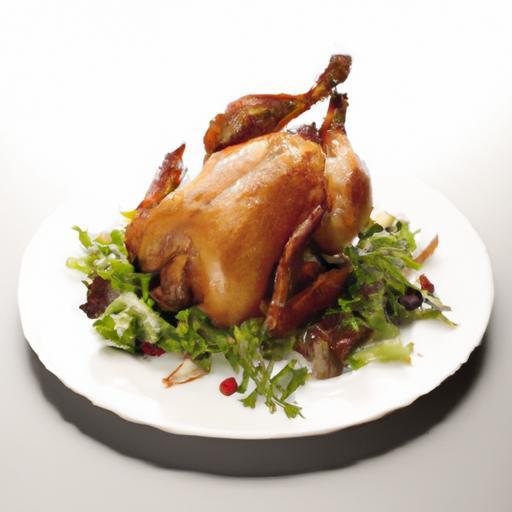

When the last slice of juicy rotisserie chicken has been devoured and the table is cleared, what happens to the humble carcass left behind? More than just a forgotten heap of bones and scraps, the rotisserie carcass holds a world of culinary potential waiting to be unlocked. Beyond the bird itself, this often-overlooked remnant can be transformed into flavorful broths, hearty soups, savory stocks, and even unexpected pantry staples. In this article, we’ll journey beyond the bird to discover clever, resourceful ways to make the most of every part, turning what might seem like waste into a treasure trove of taste and nourishment. Get ready to rethink your leftovers and elevate your kitchen creativity!
Beyond the Bird: Clever Uses for a Rotisserie Carcass
Transforming leftover rotisserie carcasses into savory broths and soups is an art that elevates humble scraps into culinary gold. This time-honored technique not only maximizes flavor but also brings warmth and depth to your kitchen creations. Whether you’re crafting a luscious risotto or an aromatic sauce, homemade stock extracted from a rotisserie carcass infuses dishes with a richness that store-bought alternatives simply can’t match.
Prep and Cook Time
Prep: 10 minutes | Cook: 3 – 4 hours | Total: 3 hours 10 minutes
Yield
6 – 8 cups of nutrient-rich, flavor-packed broth
Difficulty Level
Medium
Ingredients
- 1 rotisserie chicken carcass, including bones, skin, and any leftover meat
- 12 cups cold water
- 2 large carrots, peeled and coarsely chopped
- 2 celery stalks, chopped with leaves
- 1 large yellow onion, quartered (leave skin on for a richer color)
- 4 garlic cloves, smashed
- 1 bay leaf
- 6 black peppercorns, whole
- 4 sprigs fresh thyme
- 2 sprigs fresh parsley
- 1 tsp apple cider vinegar (helps extract minerals from bones)
- Salt to taste, added at end of cooking
Instructions
- Prepare the carcass: Break down the rotisserie carcass into smaller pieces to fit comfortably into a large stockpot. This improves flavor extraction and ease of handling.
- Add ingredients to pot: Place the bones and all vegetables into the pot. Pour in 12 cups of cold water, sprinkle in the peppercorns, bay leaf, and herbs, then add the apple cider vinegar. The vinegar helps draw calcium and nutrients from the bones.
- Bring to a gentle simmer: Heat the pot slowly over medium heat until it just starts to bubble. Immediately lower the heat so the broth is barely simmering – avoid boiling, which can cloud the stock and make it bitter.
- Simmer gently: Let it cook uncovered or partially covered for 3 to 4 hours. Skim off any foam or impurities that rise to the surface every 30 minutes to keep the broth clear and flavorful.
- Strain the stock: Use a fine mesh sieve or cheesecloth to strain the liquid into a clean container. Discard the solids or reserve any tender meat to repurpose in soups or casseroles.
- Cool and store: Let the broth cool to room temperature, then refrigerate. Within a day or two, the broth will form a rich gel due to natural gelatin extracted from the bones, signaling a nutrient-dense stock.
- Optional: Skim fat: Once chilled, easily remove the solidified fat layer on top if you prefer a leaner broth. Otherwise, leave it in for extra flavor and richness.
Tips for Success
- Use cold water: Always start with cold water to gradually extract flavors without breaking down proteins too quickly.
- Herbs and aromatics: Feel free to customize the herb blend with rosemary, sage, or lemongrass, depending on your flavor profile.
- Make-ahead: Broth freezes beautifully. Portion into ice cube trays or freezer containers for ready-to-use flavor bombs in sauces or risottos.
- Clear broth: For ultra-clear broth, strain multiple times and avoid stirring once simmering starts.
- Bone seasoning: After broth is made, dry the bones and crush them with your favorite spices to make a unique, mineral-rich seasoning blend to sprinkle over veggies or roasted dishes.
Serving Suggestions
This rich homemade broth shines as a warming soup base with freshly chopped herbs and seasonal vegetables, or as the liquid for risottos and creamy polentas, elevating dishes with its profound depth. Garnish with a swirl of extra virgin olive oil, a sprinkle of cracked black pepper, or fresh microgreens to add visual freshness and subtle contrasting flavors.
For a creative twist, incorporate shredded leftover chicken and diced root vegetables to make a wholesome soup that truly honors every part of the bird.
| Nutrient | Per Cup |
|---|---|
| Calories | 40 kcal |
| Protein | 7 g |
| Carbohydrates | 1 g |
| Fat | 1.5 g |

For more on broth-making techniques and recipes that maximize your rotisserie carcass, check out our detailed Ultimate Guide to Homemade Stocks. For in-depth nutritional benefits and culinary tips, visit Serious Eats.
Q&A
Q&A: Beyond the Bird – Clever Uses for a Rotisserie Carcass
Q1: What exactly is a rotisserie carcass, and why should I care about it?
A1: A rotisserie carcass is what remains after you’ve enjoyed a perfectly cooked rotisserie chicken-mostly bones, skin, and some scraps of meat. Instead of tossing it in the trash, this humble heap is a treasure trove for making flavorful dishes, reducing waste, and stretching your meal budget. Think of it as the encore star of your culinary show!
Q2: How can I transform a rotisserie carcass into a delicious base for cooking?
A2: The classic move is to whip up a rich, homemade chicken stock. Simmer the carcass with water, aromatic veggies (like carrots, onions, and celery), herbs, and spices for several hours. The result? A savory elixir that adds depth to soups, stews, risottos, and sauces-better than any store-bought broth.
Q3: Besides stock, what other creative uses are there for the carcass?
A3: Think outside the pot! Shred any remaining meat for casseroles, tacos, or salads. Use the bones and scraps to infuse rice or grains while cooking, boosting flavor without extra seasoning. Even blend softened skin and small meat bits into savory spreads or savory bread fillings. Your rotisserie carcass is a secret ingredient waiting to elevate everyday dishes.
Q4: Are there tips for handling and storing the carcass safely?
A4: Absolutely! If you’re not using the carcass immediately, refrigerate it promptly and use within 1-2 days or freeze for longer storage. When making stock, always bring to a boil initially to kill bacteria, then simmer gently. Handle with care to avoid burns or contamination, and you’ll be cooking up magic safely.
Q5: Can repurposing a rotisserie carcass be environmentally friendly?
A5: You’re on the money! By using every bit of the bird, you reduce food waste and honor the animal’s journey to your table. It’s sustainability in action-creating less garbage, saving money, and crafting delicious meals. Beyond the bird, your creativity can contribute to a greener kitchen and planet.
Q6: How can beginners start experimenting with their rotisserie carcass?
A6: Start small! Make a simple stock, strain and freeze it in portions, and use it to enrich future dishes. Gradually try shredded meat in sandwiches or salads. As you grow comfortable, explore more complex broth infusions or inventive dishes. The more you play, the more you’ll discover the carcass’s culinary potential.
Unlock the magic of your rotisserie carcass, and you’re not just cooking-you’re crafting a sustainable, flavorful story beyond the bird.
To Conclude
As we close the chapter on your rotisserie bird, remember: the carcass is far from finished. Beyond the succulent slices you’ve savored, it holds a treasure trove of culinary potential waiting to be unlocked. From rich, soul-warming broths to hearty stews and inventive casseroles, this humble leftover transforms waste into wonder. So next time you carve into a rotisserie chicken, embrace the full circle of flavor-because in the kitchen, creativity often begins where the meal seemingly ends.