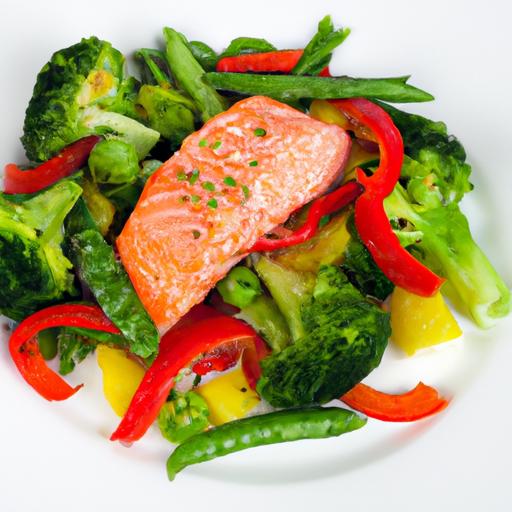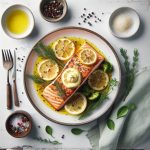

Iron is the unsung hero of our bodies – quietly powering every beat of our heart and every burst of energy we summon throughout the day. Yet, many find themselves running on empty, feeling fatigued and unfocused because their iron levels are running low. What if the secret to vibrant health and unstoppable vitality was hidden right on your plate? In this article, we’ll explore how to boost your iron naturally with delicious, nutrient-packed foods that not only satisfy your taste buds but also fuel your body’s needs. Say goodbye to supplements and hello to a flavorful journey toward better health!
Understanding the Power of Iron in Your Body
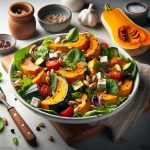
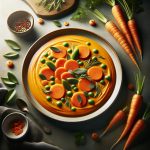
Boost Your Iron Naturally: Delicious Diet Tips for Better Health start right here with a vibrant, nutrient-packed recipe that celebrates iron-rich ingredients bursting with flavor and vitality. Iron is essential for energy, metabolism, and overall wellness, and incorporating these foods into your meals can transform how you feel every day. This recipe blends traditional flavors with modern nutrition science to inspire both your palate and your health journey.
Prep and Cook Time
Preparation: 15 minutes | Cooking: 25 minutes
Yield
Serves 4 hearty portions
Difficulty Level
Easy – Perfect for busy days or first-time iron-conscious cooks
Ingredients
- 1 cup cooked quinoa, rinsed and drained
- 1 cup fresh spinach, chopped
- 1 medium red bell pepper, diced
- 1 cup cooked and shredded lean beef or lamb
- 1/2 cup canned chickpeas, drained and rinsed
- 2 cloves garlic, minced
- 1 tbsp extra virgin olive oil
- Juice of 1 lemon (to enhance iron absorption)
- 1/4 cup fresh parsley, finely chopped
- 1/4 tsp ground cumin
- Salt and freshly ground black pepper, to taste
- Optional: 1 tbsp toasted pumpkin seeds for garnish
Instructions
- Heat olive oil in a large skillet over medium heat. Add minced garlic and sauté until fragrant, about 1 minute.
- Add diced red bell pepper and cook for 3 minutes until slightly soft but still vibrant.
- Add cooked shredded beef or lamb and stir, letting it warm through for 4-5 minutes.
- Mix in chopped spinach and canned chickpeas; sauté until the spinach wilts, about 2 minutes.
- Reduce heat to low, then stir in cooked quinoa, ground cumin, salt, and pepper. Combine thoroughly and heat evenly.
- Remove from heat and drizzle with fresh lemon juice to optimize iron absorption and brighten flavors.
- Stir in fresh parsley for a burst of freshness and garnish with toasted pumpkin seeds if desired.
- Serve warm for a nourishing boost that tastes as good as it supports your well-being.
Tips for Success
- Swap quinoa for brown rice or millet if preferred; all are excellent iron sources.
- If you’re vegetarian or vegan, substitute lean beef with sautéed mushrooms or tempeh for a rich umami flavor.
- Always add a citrus element like lemon or lime – vitamin C significantly improves non-heme iron absorption.
- Try prepping quinoa in advance to speed up your cooking time on busy nights.
- Balance flavors by adjusting cumin and garlic according to your taste preferences, keeping the dish vibrant yet comforting.
Serving Suggestions
This dish shines as a standalone dinner accompanied by a crisp mixed greens salad dressed lightly with balsamic vinegar. For an extra iron kick, include a small side of roasted sweet potatoes or steamed broccoli. Garnish with fresh herbs or a sprinkle of paprika to enhance both aroma and visual appeal. Pair with a glass of freshly squeezed orange juice to naturally amplify your iron uptake.
| Nutrient | Per Serving |
|---|---|
| Calories | 320 kcal |
| Protein | 22 g |
| Carbohydrates | 30 g |
| Fat | 10 g |
| Iron | 5.6 mg (31% DV) |

For more creative meal ideas rich in iron and vitamin C combinations, check out our guide to smart nutrient pairings. To understand the science behind iron’s vital role in your body, visit the World Health Organization’s iron deficiency profile.
Q&A
Q&A: Boost Your Iron Naturally – Delicious Diet Tips for Better Health
Q1: Why is iron so important for my health?
A: Iron is a superstar mineral that powers your body’s energy engine. It helps create hemoglobin, the protein in red blood cells that carries oxygen from your lungs to every cell. Without enough iron, you might feel tired, weak, or have trouble concentrating. Keeping your iron levels up means keeping your energy high and your body happy!
Q2: Can I get enough iron from food alone?
A: Absolutely! A well-rounded diet packed with iron-rich foods can naturally boost your levels. The trick is to include a mix of “heme” iron from animal sources, which your body absorbs easily, and “non-heme” iron from plant foods. Pairing these with vitamin C-rich foods helps maximize absorption. No supplements needed if you eat smart!
Q3: What are some delicious iron-packed foods I should try?
A: Think vibrant spinach salads sprinkled with toasted pumpkin seeds, hearty lentil soups with a squeeze of lemon, or grilled chicken breast served alongside quinoa and steamed broccoli. Beef, turkey, shellfish like clams or oysters, beans, tofu, and fortified cereals are also fantastic choices. Don’t forget dried fruits like apricots and raisins for a sweet iron boost!
Q4: How can I improve my body’s absorption of iron?
A: The magic duo here is iron + vitamin C! Enjoy your iron-rich meals with a glass of orange juice or add bell peppers and tomatoes to your dishes. Avoid drinking tea or coffee right around mealtime since they contain compounds that block iron absorption. Cooking in cast iron pans can even enhance the iron content of your food-bonus!
Q5: Are there any foods I should avoid if I want to boost my iron levels?
A: While you don’t need to banish anything, certain foods and drinks can play spoilsport. Phytates (found in whole grains and legumes), calcium-rich dairy, and polyphenols in tea and coffee can slow down iron absorption. Enjoy these at times away from your iron-rich meals for best results.
Q6: How soon can I expect to feel better after boosting my iron intake?
A: Everyone’s different, but many people notice an energy lift within a few weeks to a couple of months of consistently eating iron-rich foods. Remember, iron stores take time to rebuild, so patience and persistence are key. If fatigue lingers, consulting a healthcare provider is a smart move.
Q7: Any creative recipe ideas to naturally boost iron?
A: How about a vibrant beet and arugula salad with walnuts, feta, and a citrus dressing? Or a spicy chickpea stew served over fluffy brown rice? For breakfast, try a smoothie blending spinach, banana, strawberries, and a splash of fortified plant milk. Delicious and nourishing-it’s a win-win!
Q8: Can vegetarians and vegans get enough iron naturally?
A: Definitely! Plant-based eaters just need to be a bit strategic. Beans, lentils, tofu, tempeh, quinoa, dark leafy greens, nuts, and seeds are iron-rich plant powerhouses. Pair them with vitamin C-rich fruits and veggies to boost absorption. So yes, a vibrant vegetarian or vegan diet can keep your iron levels in check!
Embrace delicious, iron-rich foods, pair them wisely, and watch your energy soar-all naturally!
Wrapping Up
In the quest for vibrant health, boosting your iron levels doesn’t have to be a chore- it can be a flavorful journey. By embracing a variety of iron-rich foods and pairing them thoughtfully with vitamin C-packed companions, you’re not just nourishing your body; you’re crafting meals that delight your taste buds and energize your days. So, let your plate be a canvas of colorful, nutrient-dense choices that naturally elevate your iron levels and promote overall wellness. Remember, the best health boost comes from nature’s pantry, one delicious bite at a time.