
There’s something magical about a salad that does more than just crunch-it truly satisfies the soul and fuels the body. Crafting a salad that fills and delights is an art, a mindful blend of textures, flavors, and nutrients that transforms humble greens into a culinary experience. Whether you’re chasing vibrant colors, hunger-quelling power, or that perfect balance of savory and fresh, this guide will inspire you to compose salads that are as nourishing as they are delicious. Say goodbye to limp leaves and hello to bowls brimming with vitality and joy. Let’s dive into the secrets of building a salad that not only sustains but captivates from the very first bite.
Choosing Ingredients That Balance Nutrition and Flavor
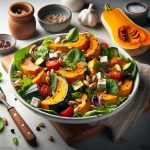
Crafting a Salad That Truly Fills and Delights You starts by selecting vibrant, nutrient-dense ingredients that not only excite your palate but also provide lasting nourishment. Think crisp, leafy greens like baby kale or spinach for a tender base, paired with seasonal vegetables that add refreshing crunch and natural sweetness. Incorporating a variety of colors-such as ruby-red cherry tomatoes, golden bell peppers, and deep purple radicchio-creates a visual feast and ensures a broad spectrum of antioxidants and vitamins.
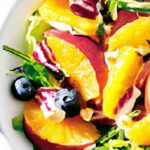
Balancing tastes is key: peppery arugula complements creamy avocado slices, while sweet roasted beets contrast beautifully with tangy citrus segments. This thoughtful selection fosters harmony between nutrition and flavor, transforming an ordinary salad into a memorable meal.
Techniques for Building Texture and Visual Appeal
Texture elevates every bite, making each forkful a delight. Combine elements with contrasting textures like crunchy toasted nuts, chewy dried cranberries, and silky goat cheese crumbles. Use layering techniques, starting with sturdy greens, then adding medium-weight ingredients like quinoa or chickpeas, and finishing with delicate herbs and edible flowers for finesse.
Visual appeal can be further enhanced by thoughtfully slicing and arranging ingredients. Try halving grapes for glossy jewel-like highlights or shaving thin ribbons of cucumber for a delicate sophistication. Toasting nuts or seeds until golden brown intensifies their flavor and adds aesthetic warmth, inviting the eater to dive in.
Incorporating Proteins and Healthy Fats for Lasting Satiety
It’s essential to incorporate quality proteins and healthy fats to create a salad that’s truly satisfying and keeps you fueled. Grilled chicken breast, flaked wild salmon, or marinated tofu are stellar protein options that meld well with the fresh produce. For plant-based protein, legumes such as lentils or black beans bring both heft and earthiness.
Healthy fats, such as avocado, extra virgin olive oil, or a sprinkle of chia seeds, add richness while promoting heart health. These fats also amplify flavors by carrying fat-soluble vitamins and enhancing mouthfeel, making every bite luscious and fulfilling.
Dressings and Seasonings to Elevate Every Bite
A thoughtfully crafted dressing is the crown jewel that ties the salad together. The balance of acid, fat, and seasoning transforms raw ingredients into a harmonious dish. For crafting a salad that truly fills and delights you, consider dressings that emphasize freshness and depth, such as a lemon-tahini vinaigrette or a honey-mustard Dijon dressing.
Seasoning with sea salt and cracked black pepper enhances natural flavors, while fresh herbs like basil, cilantro, or dill bring brightness. Toasting spices such as cumin or smoked paprika before adding them introduces complexity and warmth, inviting your salad to sing.
Prep and Cook Time
- Preparation: 20 minutes
- Cooking (for proteins if applicable): 15 minutes
- Total Time: 35 minutes
Yield
- Serves 4
Difficulty Level
- Easy to Medium
Ingredients
- 4 cups baby kale leaves, washed and dried
- 1 cup cooked quinoa, cooled
- 1 ripe avocado, sliced
- 1 cup cherry tomatoes, halved
- 1/2 cup roasted beets, diced
- 1/4 cup toasted walnuts, chopped
- 1/4 cup crumbled goat cheese
- 1/2 cup cooked chickpeas, rinsed and drained
- 2 tablespoons extra virgin olive oil
- 2 tablespoons freshly squeezed lemon juice
- 1 teaspoon Dijon mustard
- 1 clove garlic, minced
- Salt and freshly cracked black pepper, to taste
- Fresh basil leaves, for garnish
Instructions
- Prepare the dressing: Whisk together extra virgin olive oil, lemon juice, Dijon mustard, and minced garlic in a small bowl until emulsified. Season with salt and black pepper to taste.
- Toast the walnuts: Place walnuts in a dry skillet over medium heat. Sauté until golden brown, about 3-4 minutes, stirring frequently to prevent burning. Remove and let cool.
- Assemble the salad base: In a large bowl, combine baby kale, quinoa, cherry tomatoes, roasted beets, and chickpeas. Toss gently to mix the ingredients evenly.
- Add proteins and fats: Top the base with sliced avocado, crumbled goat cheese, and toasted walnuts.
- Dress the salad: Drizzle the dressing over the salad and toss lightly, ensuring all ingredients are coated without bruising delicate elements like avocado or kale.
- Garnish: Finish with fresh basil leaves scattered on top for a bright herbal pop and added visual elegance.
- Serve immediately for maximum freshness, or chill briefly to allow flavors to meld.
Chef’s Notes
- Protein variations: Swap chickpeas for grilled shrimp or pan-seared tempeh to suit dietary preferences without compromising satiety.
- Make-ahead tip: Prepare dressing in advance and store separately. Assemble salad just before serving to preserve texture and vibrancy.
- Substitutions: Use feta cheese if goat cheese is unavailable, and any nuts such as almonds or pecans can replace walnuts equally well.
- Toasting nuts and seeds: Always toast over medium heat with frequent stirring to avoid bitterness and enhance crunch.
Serving Suggestions
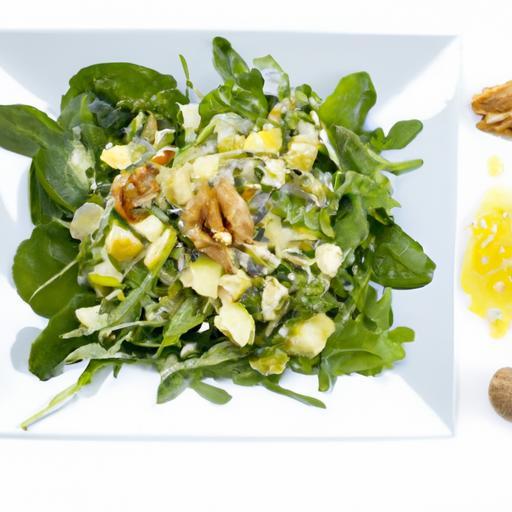
Present this salad on a large white platter or wooden board to highlight its vibrant hues. Accompany with crusty sourdough bread or rustic crackers for added texture. Garnish with edible flowers like nasturtium or pansies to elevate the visual allure. Pair with a chilled glass of crisp Sauvignon Blanc or sparkling water infused with cucumber and mint to complete the experience.
| Nutrient | Amount per Serving |
|---|---|
| Calories | 380 kcal |
| Protein | 15 g |
| Carbohydrates | 30 g |
| Fat | 22 g |

For more on enhancing your salads with creative dressings, check out our Ultimate Guide to Salad Dressings. To deepen your understanding of the benefits of healthy fats, visit the Harvard T.H. Chan School of Public Health resource on fats.
Q&A
Q&A: Crafting a Salad That Truly Fills and Delights You
Q1: Why should I care about crafting a salad that fills and delights me?
A1: Salads often get a bad rap as boring or unsatisfying meals. But when thoughtfully crafted, a salad can be a vibrant, nourishing masterpiece that not only satisfies hunger but also excites your palate and supports your health. Think of it as an edible canvas where every ingredient sings in harmony.
Q2: What’s the secret to making a salad truly filling?
A2: Balance is key. Combine a mix of fiber-rich greens, protein-packed ingredients (like beans, grilled chicken, tofu, or nuts), and healthy fats (avocado, olive oil, seeds). These elements slow digestion and keep you satiated longer, preventing the “snack again in an hour” feeling.
Q3: How can I add layers of flavor so the salad never feels dull?
A3: Embrace texture and contrast. Sprinkle crunchy nuts or seeds, add juicy fruits for sweetness, toss in tangy cheeses, or sprinkle fresh herbs. Don’t forget bright acids like lemon juice or a zesty vinaigrette to brighten every bite-the secret spark in a memorable salad.
Q4: Are there tips for making salads more visually appealing?
A4: Absolutely. Remember, we eat with our eyes first. Use colorful ingredients-think red radishes, golden beets, purple cabbage, and vibrant greens. Arrange ingredients thoughtfully, mixing sizes and shapes, and finish with a drizzle of dressing or a sprinkle of microgreens for that gourmet touch.
Q5: Can a salad be a complete meal on its own?
A5: Yes! When you build it with purposeful layers – protein, complex carbs (quinoa, farro, sweet potato), fats, and plenty of veggies – it transforms from side dish to main event. This balance ensures sustained energy and a feeling of fullness that satisfies both body and soul.
Q6: How important is the dressing in crafting a delightful salad?
A6: The dressing is the soul of the salad. It ties all ingredients together, elevating flavors and boosting enjoyment. Making your own vinaigrette with fresh herbs, acid (like vinegar or citrus), and good oil is simple and lets you tailor the taste exactly to your mood and ingredients.
Q7: Any final advice for salad novices wanting to create their own magic?
A7: Don’t be afraid to experiment. Keep a notebook or photo diary of combos you love. Start with a base you enjoy, add a handful of favorite add-ins, and tailor dressings to your taste. Most importantly, eat mindfully and savor the colors, flavors, and textures you’ve crafted-it’s your personal masterpiece!
To Wrap It Up
As you embark on your next salad adventure, remember that crafting a bowl that truly fills and delights is both an art and a science. It’s about balancing textures, flavors, and nutrients to create a harmonious experience that satisfies more than just hunger-it nourishes your body and soul. With a thoughtful mix of vibrant greens, hearty proteins, crunchy elements, and zesty dressings, your salad can transform from a simple side to a star-worthy meal. So, embrace your creativity, trust your palate, and let every forkful be a celebration of health and happiness. After all, the perfect salad is not just eaten-it’s crafted.