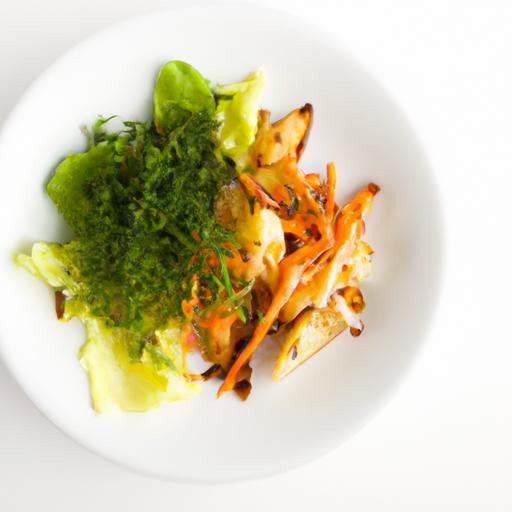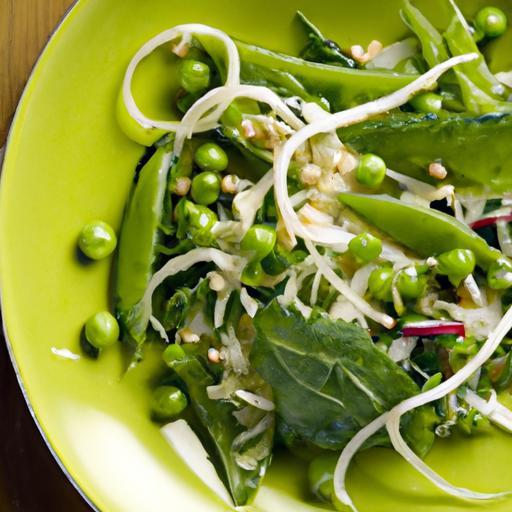

In the intricate ecosystem of our digestive system, the gut microbiome reigns supreme, influencing everything from digestion to immunity and even mood. Nourishing this bustling community of beneficial bacteria isn’t just a wellness trend-it’s a foundational step toward vibrant health. Enter prebiotics: the unsung heroes of gut nourishment, quietly feeding your inner garden to help it flourish. Crafting a tasty prebiotic-rich meal plan is more than just a dietary choice; it’s an artful fusion of flavor and function, designed to support your microbiome and enhance your overall vitality. Join us as we explore how to build delicious, gut-friendly meals that transform everyday ingredients into powerful allies for your digestive well-being.
Crafting a Tasty Prebiotic-Rich Meal Plan for Gut Health: Unlocking Digestive Vitality
Crafting a tasty prebiotic-rich meal plan for gut health is an exciting culinary journey that blends vibrant flavors and wholesome ingredients to nurture your digestive system. Rooted in nature and tradition, prebiotics are the powerhouse fibers that fuel beneficial gut bacteria, supporting digestion, immune function, and overall wellness. This recipe collection elevates everyday meals with fresh, fiber-rich components like chicory root, garlic, and Jerusalem artichokes, creating dishes that delight your palate and your microbiome.
Prep and Cook Time
- Preparation: 15 minutes
- Cooking: 25 minutes
- Total Time: 40 minutes
Yield
Serves 4 – ideal as a nourishing main or satisfying side dish.
Difficulty Level
Easy – perfect for home cooks eager to enhance gut wellness with simple yet impactful culinary choices.
Ingredients
- 2 cups Jerusalem artichokes, peeled and thinly sliced
- 1 large leek, white and light green parts thinly sliced
- 3 cloves garlic, minced
- 1 tablespoon olive oil
- 1 cup cooked chickpeas
- 1 small fennel bulb, thinly sliced
- 1 teaspoon fresh thyme leaves
- 1 tablespoon lemon juice
- Salt and freshly ground black pepper, to taste
- Fresh parsley, chopped, for garnish
- Optional: 2 tablespoons plain yogurt (for serving)
Instructions
- Prepare the vegetables: Rinse the Jerusalem artichokes under cold water. Peel and slice them into thin rounds to ensure even cooking and to unlock their natural sweetness.
- Sauté the aromatics: In a large skillet over medium heat, warm the olive oil. Add the minced garlic and leek slices; sauté until fragrant and slightly golden, about 5 minutes, stirring occasionally to avoid burning.
- Cook the artichokes and fennel: Add the sliced Jerusalem artichokes and fennel to the pan. Stir well to combine with the aromatics. Cook for another 10-12 minutes, stirring often, until the vegetables soften but still retain a slight crunch.
- Add chickpeas and herbs: Stir in the cooked chickpeas and sprinkle fresh thyme leaves. Cook for an additional 3 minutes, allowing flavors to meld.
- Finish with seasoning: Remove from heat. Drizzle lemon juice over the mixture and season with salt and pepper to taste. Toss gently to combine.
- Serve and garnish: Plate the dish and garnish generously with chopped fresh parsley. For a creamy contrast, add a dollop of plain yogurt on the side if desired.
Chef’s Notes and Tips for Success
- Substitute Jerusalem artichokes with raw asparagus spears during spring for a seasonal twist.
- For enhanced probiotic synergy, pair this dish with fermented sides like sauerkraut or kimchi.
- Roasting the Jerusalem artichokes beforehand deepens their nutty flavor-try 375°F for 20 minutes if you prefer a caramelized texture.
- To increase fiber intake, toss in a handful of chopped chicory leaves or add a teaspoon of inulin powder during cooking.
- Make ahead: This dish keeps well refrigerated for up to 3 days. Reheat gently to preserve texture and nutrients.
Serving Suggestions
This vibrant dish flourishes when served warm alongside protein-rich grilled salmon or roasted chicken. Garnish with microgreens or edible flowers for an elevated presentation. Complement with a crisp green salad featuring apple slices and walnuts, dressed lightly with apple cider vinaigrette to maintain a prebiotic focus throughout your meal plan.

| Nutrient | Amount per Serving |
|---|---|
| Calories | 210 kcal |
| Protein | 7g |
| Carbohydrates | 35g |
| Fat | 5g |
| Dietary Fiber | 8g |
Explore more gut-friendly recipes in our fermented foods for digestive health guide. For scientific insights on prebiotic benefits, visit the National Institute of Diabetes and Digestive and Kidney Diseases.
Q&A
Q&A: Crafting a Tasty Prebiotic-Rich Meal Plan for Gut Health
Q1: What exactly are prebiotics, and why should I care about them?
Prebiotics are like the secret superheroes of your gut-they’re non-digestible fibers and compounds found in certain foods that feed the beneficial bacteria in your digestive system. Unlike probiotics, which are live bacteria, prebiotics act as the meal that helps these good bugs thrive. When you fuel them right, they support digestion, boost immunity, and even impact your mood. So, caring about prebiotics means caring about your entire well-being from the inside out!
Q2: Which foods should I include to create a prebiotic-rich meal plan?
Think vibrant, natural, and fiber-packed! Some top prebiotic food stars are garlic, onions, leeks, asparagus, Jerusalem artichokes, chicory root, bananas (especially slightly green ones), oats, barley, and dandelion greens. Including a colorful array from this list ensures your gut bacteria get a diverse diet, leading to a happier, healthier digestive ecosystem.
Q3: How do I make my prebiotic meal plan delicious rather than dull or bland?
Creativity is your secret ingredient! For breakfast, whip up overnight oats with mashed green bananas and a sprinkle of chicory root powder. Lunch could be a warm bowl of roasted garlic and asparagus soup or a vibrant salad loaded with leeks and dandelion greens drizzled in a zesty lemon vinaigrette. For dinner, try sautéed Jerusalem artichokes with herbs alongside your favorite protein. Don’t forget to play with spices and textures to keep meals exciting and gut-friendly!
Q4: Can prebiotic foods cause any discomfort? How can I avoid that?
Yes, especially if your gut isn’t used to a high-fiber, prebiotic-rich diet, you might experience bloating or gas initially. The key is to start slow-introduce prebiotic foods gradually to give your gut bacteria time to adjust. Drinking plenty of water and balancing your meals with easily digestible proteins and healthy fats can smooth the transition.
Q5: How important is meal timing in a prebiotic-focused plan?
While quality and variety matter most, spreading prebiotic foods throughout the day ensures your gut bugs stay nourished consistently. Think of it like offering snacks to your microbial friends multiple times daily, keeping their energy up and your digestion smooth. Plus, balanced timing helps you enjoy sustained energy and keeps cravings at bay.
Q6: Can I combine probiotics with my prebiotic meal plan for even better gut health?
Absolutely! Probiotics and prebiotics are a dynamic duo. While prebiotics feed and nurture your gut flora, probiotics introduce beneficial strains. Together, they create a symbiotic relationship called synbiotics, enhancing gut diversity and resilience. Yogurts or fermented foods paired with your prebiotic-rich meals can amplify benefits beautifully.
Q7: What’s the best way to track the benefits of a prebiotic-rich diet?
Tune into your body! Notice improvements in digestion, like reduced bloating, more regular bowel movements, and better nutrient absorption. Additionally, energy levels and mood can uplift as your gut health flourishes. If you like data-driven insights, some find gut microbiome tests helpful, but consistent positive shifts in how you feel are the best signals.
Q8: Any pro tips for a busy lifestyle while maintaining a prebiotic meal plan?
Prep is power! Batch-cook dishes like garlic-roasted veggies or prebiotic-packed soups early in the week. Keep snacks handy-think prebiotic-rich banana chips or oat-based energy bites. Also, experiment with spice blends to keep simple meals interesting. With a bit of planning, nurturing your gut doesn’t have to be a chore, just a delicious habit.
By turning prebiotic foods into flavorful, everyday meals, you’re not just cooking-you’re cultivating a thriving internal garden that supports your health in countless ways. Happy gut, happy life!
Concluding Remarks
In the vibrant world of gut health, crafting a prebiotic-rich meal plan is more than just a dietary choice-it’s an act of nourishment that fuels the unseen ecosystem within. By thoughtfully selecting diverse, fiber-packed ingredients, you invite a thriving community of beneficial bacteria to flourish, enhancing digestion, immunity, and overall well-being. As you embark on this flavorful journey, remember that each bite is a step toward a happier gut and a healthier you. So, let your kitchen be a laboratory of wellness, where science meets creativity, and every meal is a celebration of thriving gut flora. Here’s to savoring the art of eating well-one prebiotic-rich dish at a time.