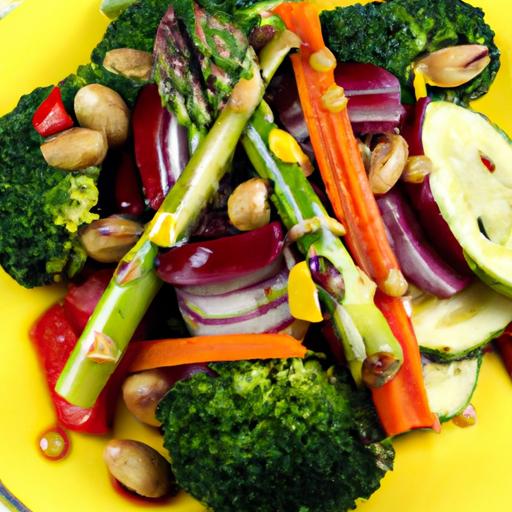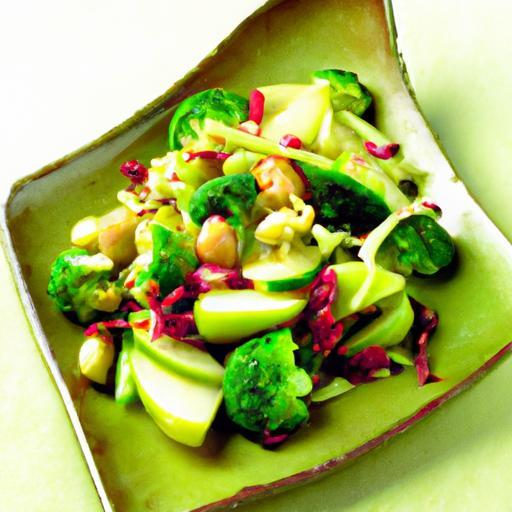

In a world where nutrition meets flavor, cruciferous vegetables stand out as nature’s vibrant powerhouses-bursting with bold textures, remarkable nutrients, and a whisper of earthiness that excites the palate. From the humble broccoli floret to the leafy embrace of kale, these green gems have long been celebrated for their health-boosting properties, yet they often remain misunderstood or underappreciated in the kitchen. Welcome to “Cruciferous Creations: Tasty Recipes to Fuel Your Health,” where we transform these nutrient-packed wonders into irresistible dishes that not only delight your taste buds but also energize your body and mind. Discover how to elevate your meals with creative twists and nourishing flavors, proving once and for all that eating well can be both delicious and deeply rewarding.
Innovative Culinary Techniques to Elevate Your Cruciferous Veggies
Cruciferous Creations offer a vibrant way to fuel your health by celebrating the robust flavors and outstanding nutritional benefits of vegetables like broccoli, cauliflower, and Brussels sprouts. These power-packed vegetables are not only rich in vitamins C and K, fiber, and antioxidants but can be transformed through simple culinary techniques that unlock their full potential both in taste and nutrient retention.
Prep and Cook Time
- Preparation: 15 minutes
- Cooking: 20 minutes
- Total Time: 35 minutes
Yield
- Servings: 4
Difficulty Level
- Easy to Medium
Ingredients
- 2 cups broccoli florets, fresh and bright green
- 2 cups cauliflower florets, firm and white
- 1 cup Brussels sprouts, halved
- 3 tablespoons extra virgin olive oil
- 3 cloves garlic, minced
- 1 teaspoon smoked paprika
- Salt and freshly ground black pepper, to taste
- 1 tablespoon lemon zest
- 2 tablespoons toasted pine nuts
- Fresh parsley, finely chopped for garnish
Instructions
- Blanch the Vegetables: Bring a large pot of salted water to a boil. Add broccoli, cauliflower, and Brussels sprouts. Blanch for 2-3 minutes until the vegetables are vibrant and slightly tender. Immediately transfer to ice water to halt cooking and retain color.
- Sauté with Aromatics: Heat olive oil in a large skillet over medium heat. Add minced garlic and sauté until fragrant, about 1-2 minutes. Avoid burning to maintain a delicate garlic flavor.
- Roast the Veggies: Drain the vegetables well and add them to the skillet. Sprinkle smoked paprika, salt, and black pepper. Sauté for 8-10 minutes, stirring often to get those edges beautifully caramelized and slightly crisp.
- Finish with Freshness: Remove from heat and toss with lemon zest and toasted pine nuts. The zest brightens the dish, while pine nuts add a pleasant crunch and nutty aroma.
- Garnish and Serve: Transfer to a serving platter and sprinkle generously with chopped parsley. Serve warm as a nutrient-dense side or a light main dish.
Tips for Success
- If you prefer a softer texture, increase blanching time to 4-5 minutes but be cautious to avoid mushiness.
- Try steaming instead of blanching for a gentler cooking method that preserves additional nutrients.
- Substitute pine nuts with toasted almonds or walnuts for a different flavor profile.
- Make this dish ahead and reheat gently in a skillet to preserve the crisp texture.
- For an extra nutritional boost, sprinkle with a tablespoon of nutritional yeast or a light drizzle of tahini before serving.
Serving Suggestions
Pair this cruciferous medley with quinoa or a nutty wild rice pilaf for a wholesome vegetarian meal. It also complements grilled chicken or seared salmon beautifully, adding vibrant veggies and texture to your plate. Garnish with a lemon wedge for extra zing and a drizzle of balsamic reduction for a touch of sweetness and acidity.
| Nutrient | Per Serving |
|---|---|
| Calories | 180 kcal |
| Protein | 6g |
| Carbohydrates | 14g |
| Fat | 12g |

For more nutrient-packed recipes featuring cruciferous vegetables, explore our Vegetable Power Bowls. To understand the science behind the health benefits of these veggies, visit the Harvard T.H. Chan School of Public Health.
Q&A
Q&A: Cruciferous Creations – Tasty Recipes to Fuel Your Health
Q1: What makes cruciferous vegetables so special in our diets?
A1: Cruciferous veggies-think broccoli, cauliflower, kale, and Brussels sprouts-are nutrient-packed superheroes. They boast fiber, vitamins, and antioxidants that support detoxification, boost immunity, and even help fight certain cancers. Their unique compounds, like sulforaphane, provide that extra health edge.
Q2: Are cruciferous vegetables only good steamed or boiled?
A2: Not at all! While steaming preserves nutrients and softens them, cruciferous veggies are delightfully versatile. Roast Brussels sprouts with balsamic glaze, toss kale in a zesty salad, blend cauliflower into creamy soups, or even spiralize kohlrabi for a crunchy pasta alternative. Culinary creativity makes eating healthy exciting!
Q3: How can I reduce the bitter bite often associated with cruciferous vegetables?
A3: Bitterness can be tamed with some simple tricks: roasting brings out natural sweetness, a splash of lemon juice or vinegar adds brightness, and pairing with creamy dressings or cheese balances flavors. Marinating or pickling also transforms their character into something irresistibly tangy and tender.
Q4: Can including cruciferous vegetables really improve my energy?
A4: Absolutely! Their rich fiber content promotes steady digestion and balanced blood sugar, steering clear of energy crashes. Plus, essential vitamins like C and K support overall vitality and recovery, making these veggies true fuel for your body and mind.
Q5: What’s a quick and delicious recipe to try today?
A5: Try roasting cauliflower florets tossed in olive oil, smoked paprika, garlic powder, and a pinch of salt-roast at 425°F for 25 minutes until crispy golden edges form. Finish with a squeeze of fresh lemon and a sprinkle of parsley for a snack or side dish that’s bursting with flavor and health.
Q6: Can kids enjoy cruciferous vegetables too?
A6: Yes! The key is making them fun and flavorful-try cauliflower “popcorn” with mild seasoning, or blend broccoli into cheesy pasta. Dippable roasted veggies or kale chips add crunch kids love, making nutrition approachable and tasty.
Q7: How often should I include cruciferous vegetables in my meals?
A7: Aim for at least 3-5 servings per week to reap their health benefits. Rotating varieties keeps meals interesting and ensures a broad spectrum of nutrients. Whether it’s a salad, soup, stir-fry, or snack, these veggies are easy to sneak into your daily routine.
Let cruciferous creations awaken your palate and nourish your body-because healthy eating should never be boring!
Final Thoughts
As you embark on your culinary journey with cruciferous creations, remember that these vibrant vegetables are more than just ingredients-they are nature’s powerhouse, brimming with nutrients that fuel your body and ignite your wellness. From the crisp crunch of fresh broccoli to the comforting warmth of roasted Brussels sprouts, each bite delivers a symphony of flavors and health benefits. So, let your kitchen become a playground of creativity, where taste meets vitality, and every dish tells a story of nourishment. Whether you’re a seasoned chef or a curious beginner, these tasty recipes invite you to explore, savor, and celebrate the incredible gifts of the cruciferous family-your delicious secret to thriving health.