
Imagine a tiny spark of joy, lighting up your brain with every bite of your favorite meal. This spark is dopamine-a powerful neurotransmitter often dubbed the brain’s “feel-good” chemical. But beyond its popular reputation, dopamine weaves a complex story of reward, motivation, and pleasure, intricately tied to the foods we crave and consume. In this article, “Dopamine Uncovered: How Food Fuels Your Brain’s Joy Circuit,” we embark on a fascinating exploration into how what you eat not only nourishes your body but also orchestrates a symphony of neural signals that make eating one of life’s most delightful experiences. Prepare to uncover the science behind the sensations that turn a simple snack into a blissful moment of happiness.
Dopamine Uncovered: How Food Fuels Your Brain’s Joy Circuit
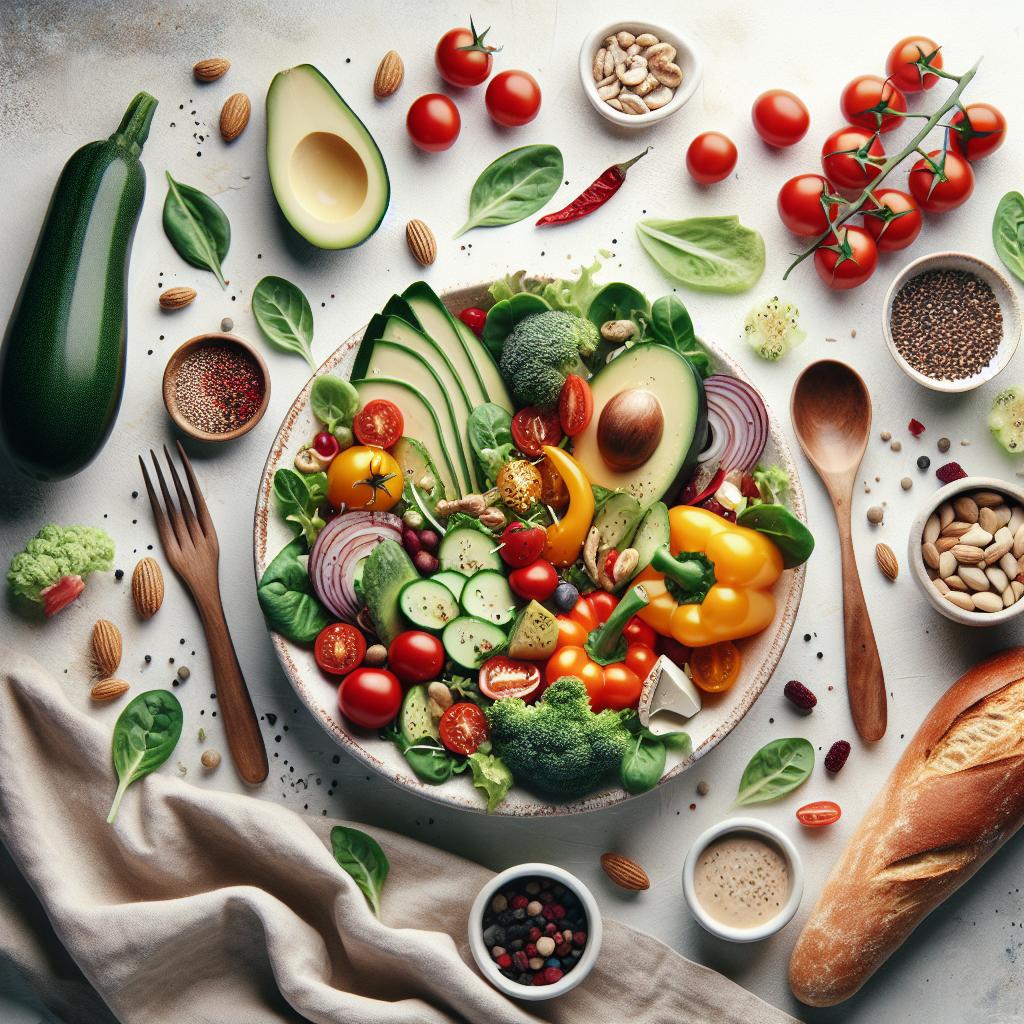
Dopamine Uncovered: How Food Fuels Your Brain’s Joy Circuit brings you a delicious, nutrient-packed recipe designed to naturally elevate your mood by boosting dopamine production. Inspired by Mediterranean flavors that celebrate fresh ingredients and brain-boosting superfoods, this vibrant Quinoa & Avocado Power Bowl is a celebration of texture, color, and flavor-a joyful dish that ignites your brain’s reward pathways with every bite.
Prep and Cook Time
Preparation: 15 minutes | Cooking: 20 minutes | Total: 35 minutes
Yield
Serves 4 generous portions
Difficulty Level
Easy
Ingredients
- 1 cup quinoa, rinsed
- 2 cups water or low-sodium vegetable broth
- 1 large ripe avocado, diced
- 1 cup cherry tomatoes, halved
- 1/2 cup cooked chickpeas, drained and rinsed
- 1/4 cup finely chopped red onion
- 1/4 cup chopped fresh parsley
- 2 tablespoons extra virgin olive oil
- Juice of 1 lemon
- 1 teaspoon ground turmeric
- 1/2 teaspoon sea salt (adjust to taste)
- 1/4 teaspoon freshly ground black pepper
- 2 tablespoons toasted pumpkin seeds (for garnish)
Instructions
- Cook the quinoa: In a medium saucepan, bring 2 cups of water or vegetable broth to a boil. Add the rinsed quinoa, reduce heat to low, cover, and simmer for 15 minutes until the liquid is fully absorbed. Remove from heat and let it sit, covered, for 5 minutes. Fluff with a fork.
- Prepare the dressing: In a small bowl, whisk together the olive oil, lemon juice, ground turmeric, salt, and pepper until emulsified and smooth.
- Mix the power bowl: In a large mixing bowl, combine the fluffed quinoa, diced avocado, cherry tomatoes, chickpeas, red onion, and parsley. Pour in the dressing and toss gently to coat all ingredients evenly.
- Plate and garnish: Serve the mixture in bowls, topped with toasted pumpkin seeds for that satisfying crunch and a boost of zinc, essential for neurotransmitter function.
- Enjoy immediately: The fresh creaminess of avocado combined with zesty lemon and earthy turmeric makes each bite a celebration of dopamine-stimulating goodness.
Tips for Success
- Use freshly rinsed quinoa for a fluffier texture and to reduce bitterness.
- For extra protein and dopamine-enhancing tyrosine, swap chickpeas for cooked lentils or grilled tempeh.
- If you prefer a creamier texture, mash half of the avocado before mixing.
- This bowl keeps well for up to 24 hours refrigerated; add avocado fresh before serving to avoid browning.
- Boost antioxidants and flavor by adding a sprinkle of pomegranate seeds.
Serving Suggestions
Present this vibrant bowl with a side of whole-grain pita or crisp lettuce leaves for scooping. Garnish with a few fresh parsley sprigs and a drizzle of extra virgin olive oil. It pairs wonderfully with a chilled glass of green tea or sparkling water infused with cucumber and mint-refreshing your mood with every sip.
| Nutrition | Per Serving |
|---|---|
| Calories | 350 kcal |
| Protein | 11 g |
| Carbohydrates | 38 g |
| Fat | 15 g |

For more brain-boosting recipes, see our Top 10 Snacks to Enhance Cognitive Function. Dive deeper into the science behind food and mood on this comprehensive review from the National Institutes of Health.
Q&A
Q&A: Dopamine Uncovered: How Food Fuels Your Brain’s Joy Circuit
Q1: What exactly is dopamine, and why do we call it the brain’s “joy molecule”?
A1: Dopamine is a neurotransmitter-a chemical messenger-that plays a key role in how we feel pleasure and motivation. It’s often dubbed the brain’s “joy molecule” because it lights up our internal reward system, making us feel happy, motivated, and even euphoric. When dopamine flows, it fuels our desire to pursue enjoyable activities, from savoring delicious food to achieving personal goals.
Q2: How does food trigger dopamine release in the brain?
A2: When you eat something delicious, your taste buds send signals to your brain, activating the reward centers. Nutrients like sugars, fats, and proteins stimulate dopamine production, giving you that gratifying “hit” of pleasure. This dopamine surge encourages you to seek out more of the tasty treat, reinforcing your behavior in a delightful loop.
Q3: Are all foods equally effective at boosting dopamine?
A3: Not quite! While sugary and fatty foods can provide quick dopamine hits, complex carbs, lean proteins, and foods rich in the amino acid tyrosine-like almonds, bananas, and eggs-are especially good at supporting steady dopamine production. These nutrient-dense foods act as the brain’s slow-burning fuel, promoting long-lasting feelings of wellbeing rather than fleeting highs.
Q4: Can eating too much dopamine-boosting food be harmful?
A4: Yes, much like any joy, too much can twist the narrative. Overindulging in highly processed, sugary, or fatty foods can flood the brain with dopamine repeatedly, potentially leading to reduced sensitivity of dopamine receptors. This can cause cravings to escalate and pleasure responses to diminish, creating a cycle that sabotages both mood and health.
Q5: Besides food, what other ways can we naturally boost dopamine to enhance our joy circuit?
A5: Great question! Exercise, getting enough sleep, listening to music, engaging in creative tasks, and practicing mindfulness can all elevate dopamine levels naturally. These activities promote a balanced and resilient dopamine system, feeding your brain’s joy circuit without the ups and downs that come from over-relying on food rewards.
Q6: How can understanding dopamine help us make smarter food choices?
A6: Knowledge is power! Realizing that dopamine drives our cravings helps us see that seeking pleasure through food is natural-but needs balance. Choosing nutrient-rich foods to sustainably fuel dopamine can enhance mood without unwanted side effects. Plus, pairing mindful eating with other joy-building habits creates a symphony of brain rewards that keeps you vibrant and motivated.
Q7: What’s one takeaway for readers to start nourishing their dopamine system today?
A7: Start small! Add dopamine-friendly foods like nuts, seeds, dark chocolate, or leafy greens to your meals and snacks this week. Combine this with a brief daily walk or a tune-up with your favorite song. These tiny habits can supercharge your brain’s joy circuit, turning everyday moments into celebrations of wellbeing.
Final Thoughts
As we’ve journeyed through the intricate dance between dopamine and the foods that ignite its spark, it becomes clear that what we eat is far more than just fuel-it’s poetry for the brain’s joy circuit. By understanding how certain flavors and nutrients awaken dopamine’s magic, we gain the power to nourish not only our bodies but also our moods, motivation, and moments of bliss. So next time you savor a meal, remember: you’re not just feeding hunger-you’re feeding happiness itself. Embrace this delicious connection, and let your brain’s joy circuit sing with every bite.