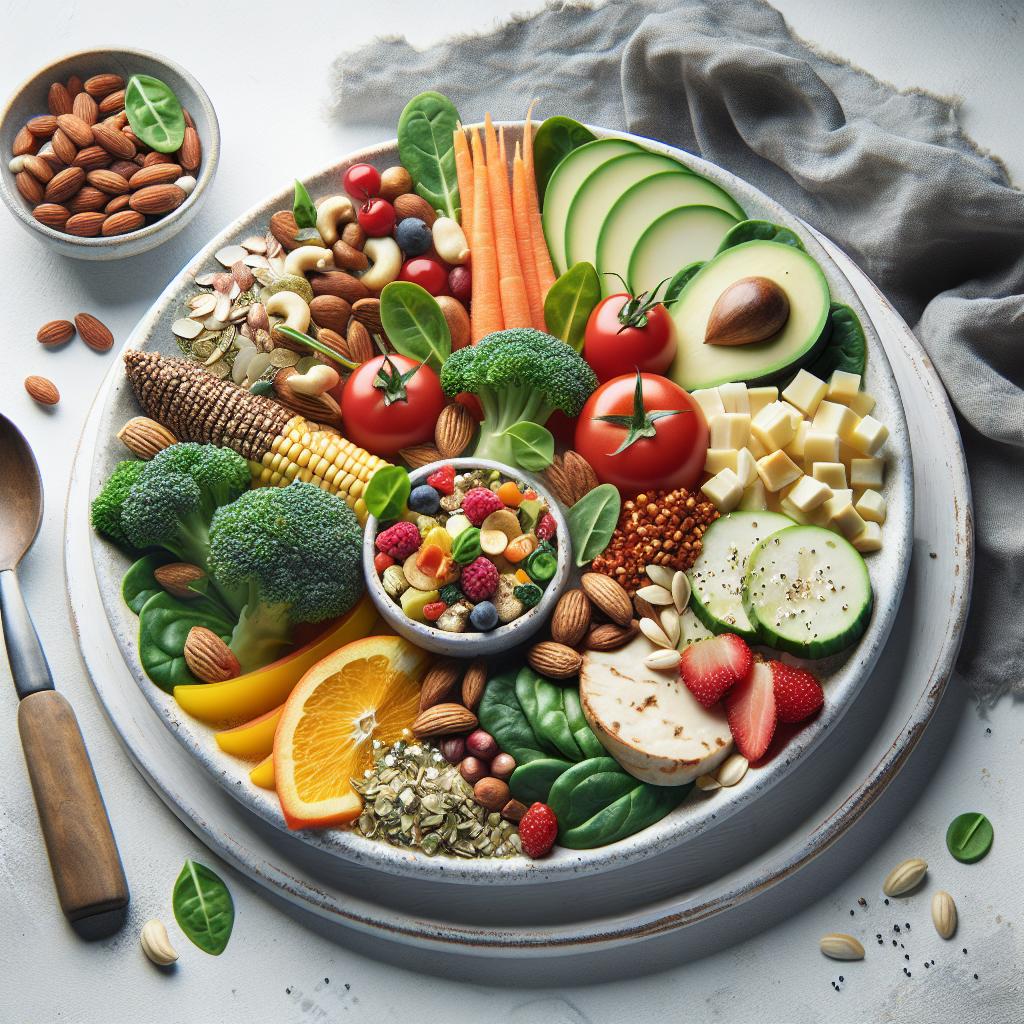

In the whirlwind world of health trends, fiber often takes the spotlight as a humble hero of digestion and wellness. But before you embark on your next grocery aisle spree or toss that extra bran into your smoothie, it’s time to unravel the lesser-known tale behind this dietary superstar. Welcome to “Fiber Frenzy: Unpacking the Surprising Side Effects,” where we dive deep into the unexpected twists and turns fiber can take on your body and mind. From digestive drama to surprising shifts in energy and mood, this article peels back the layers of fiber’s complex role in your health-because sometimes, what’s good for you isn’t always straightforward. Ready to explore the fiber frenzy and discover how to make it truly work for you? Let’s get started.
Fiber Frenzy: Unpacking the Surprising Side Effects
Fiber Frenzy enthusiasts often dive headfirst into boosting their daily intake, eager to reap the digestive benefits. However, your body’s reactions to a sudden surge in fiber can be as surprising as the vibrant colors of a fresh farmer’s market display. Understanding the nuanced digestive dynamics at play empowers you to navigate these changes smoothly and transform your fiber journey into a flavorful, effortless experience.
Prep and Cook Time
Preparation: 10 minutes
Cook Time: 20 minutes
Total Time: 30 minutes
Yield
Serves 4 delicious and fiber-rich portions
Difficulty Level
Easy – perfect for fiber newcomers and seasoned home cooks alike
Ingredients
- 1 cup rolled oats, gluten-free for sensitive digestion
- 2 tablespoons chia seeds – a powerhouse of soluble fiber
- 1 medium apple, finely diced with skin on for natural sweetness and insoluble fiber
- 1 cup fresh spinach, roughly chopped to blend earthy taste and fiber content
- 1 tablespoon ground flaxseed, lightly toasted to unlock nutrients
- 1 ½ cups unsweetened almond milk or any preferred plant-based milk
- 1 teaspoon cinnamon for warming flavor and digestion support
- 1 tablespoon raw honey (optional), for gentle sweetness
- Pinch of sea salt to balance flavors
Instructions
- Combine oats, chia seeds, and ground flaxseed in a medium saucepan to create the fiber-rich base.
- Add almond milk and a pinch of sea salt, stirring to blend all ingredients evenly before heating.
- Bring the mixture to a gentle simmer over medium heat.
- Stir frequently to prevent sticking, cooking for about 10 minutes until the oats absorb the milk and the texture turns creamy.
- Incorporate diced apple, spinach, and cinnamon, folding them carefully into the oatmeal and allowing the greens to soften slightly, about 3-5 minutes.
- Remove from heat and drizzle honey over the top for a touch of natural sweetness, adjusting to your taste.
- Serve warm and enjoy the comforting textures and complex fiber blend.
Tips for Success
- Gradually increase fiber intake with meals like this to reduce gas and bloating, giving your gut time to adjust.
- Soaking oats overnight can enhance digestibility and reduce cooking time.
- Substitute apple with pear or berries for seasonal variation.
- If you experience discomfort, sip warm water infused with ginger alongside this dish to aid digestion.
- Make extra portions and refrigerate for up to 3 days; reheat gently with a splash of almond milk to restore creaminess.
Serving Suggestions
Top each bowl with a sprinkle of toasted walnuts or sliced almonds for crunch and a boost of healthy fats. A dollop of Greek yogurt or a spoonful of your favorite nut butter pairs wonderfully, enhancing protein content and creamy texture. Garnish with a light dusting of cinnamon or fresh mint leaves for a burst of aroma and visual appeal.

| Nutrient | Per Serving |
|---|---|
| Calories | 290 kcal |
| Protein | 8 g |
| Carbohydrates | 45 g |
| Dietary Fiber | 12 g |
| Fat | 7 g |
For more innovative ways to harness the power of fiber in your everyday meals, explore our Healthy Fiber Recipes. To deepen your understanding of fiber’s health benefits and physiological effects, visit the authoritative Harvard T.H. Chan School of Public Health.
Q&A
Q&A: Fiber Frenzy – Unpacking the Surprising Side Effects
Q1: What exactly is a “fiber frenzy”?
A: A “fiber frenzy” refers to the sudden surge in fiber intake, often when someone dramatically ups their daily consumption of fruits, vegetables, whole grains, and legumes. It’s like your digestive system’s version of a whirlwind workout – promising great benefits but occasionally leaving you with unexpected side effects.
Q2: Why is fiber so important in our diet?
A: Fiber is the unsung hero of digestion. It helps regulate bowel movements, supports gut health, lowers cholesterol, and even aids in blood sugar control. Picture fiber as the scrubbing brush and broom for your digestive tract, making sure everything flows smoothly and efficiently.
Q3: What surprising side effects can come from too much fiber, too quickly?
A: While fiber is fantastic, too much too fast can send your gut into a bit of a tizzy. Common “fiber frenzy” symptoms include bloating, gas, abdominal cramps, and even constipation. It’s your body’s way of saying, “Slow down, friend!” as it adapts to the increased fiber load.
Q4: Is fiber-induced bloating dangerous?
A: Not dangerous, but definitely uncomfortable. The bloating happens because fiber ferments in the gut, producing gas as a byproduct. This is perfectly normal, but if the discomfort is severe or persistent, it’s wise to reassess your fiber intake or consult a healthcare professional.
Q5: How can I enjoy fiber without triggering the frenzy?
A: The secret is gradual introduction. Increase your fiber intake slowly over days or weeks, drink plenty of water to help fiber move smoothly, and listen to your body’s signals. Mixing soluble fiber (like oats and apples) with insoluble fiber (like whole grains and vegetables) can also help balance the effects.
Q6: Are there any populations that should be extra cautious with fiber?
A: Yes! People with certain digestive conditions like irritable bowel syndrome (IBS), Crohn’s disease, or chronic constipation should tailor their fiber intake carefully, ideally under medical guidance. Fiber can be a double-edged sword for them – sometimes soothing, sometimes aggravating symptoms.
Q7: Can fiber cause constipation? Isn’t it supposed to prevent it?
A: Great question! Fiber generally aids digestion, but without adequate water, it can actually harden stool and worsen constipation. Think of fiber as a sponge – it needs water to do its job. Without water, fiber turns into a stubborn traffic jam in your intestines.
Q8: What’s the bottom line on fiber and digestive health?
A: Fiber is a powerhouse nutrient that rewards patience and balance. Embracing it gradually and mindfully can unleash its many benefits without the unwanted side effects. So go ahead, enjoy your fiber feast – just don’t turn it into a fiber frenzy!
Key Takeaways
As we unravel the twists and turns of fiber’s impact on our bodies, it’s clear that this unassuming nutrient is far more than just a digestive aid-it’s a complex player in our health story. While the perks of fiber-rich foods are celebrated everywhere, understanding the surprising side effects helps us harness its benefits without the bumps along the way. So next time you reach for that bran muffin or a bowl of beans, remember: fiber is a frenetic force, deserving respect, balance, and a little bit of patience. Embrace the frenzy wisely, and your body will thank you with vibrant well-being that’s anything but ordinary.