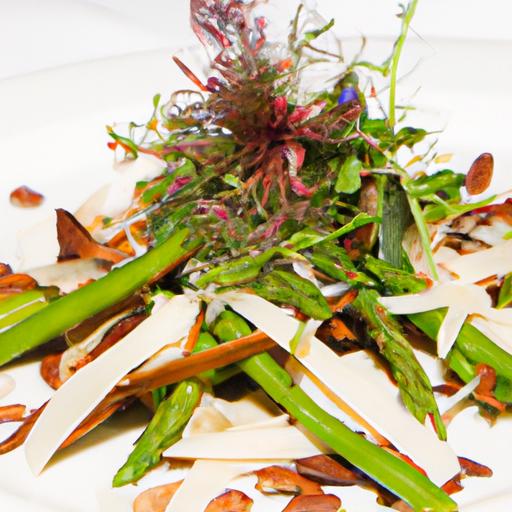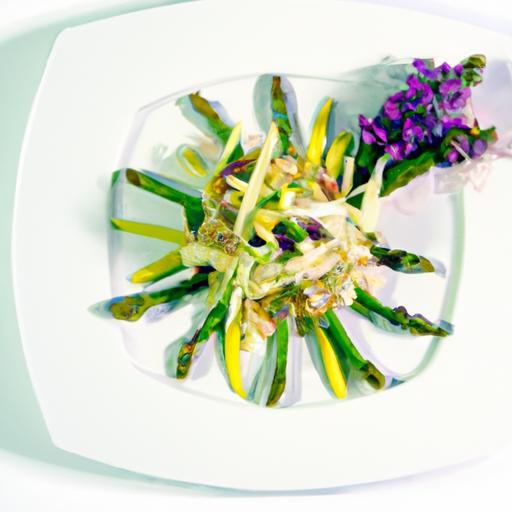

In the heart of untamed landscapes and quiet woodlands lies a hidden treasure often overlooked: wild herbs. These humble plants, flourishing freely beneath our feet, offer a goldmine of flavors, fragrances, and healing properties just waiting to be discovered. Foraging for wild herbs is more than a walk in the woods; it’s a journey into nature’s pantry, where each leaf and blossom holds a story and a secret to enhance your kitchen and wellbeing. Join us as we uncover the top wild herbs you can confidently pick and use, turning a simple stroll into an enriching adventure of flavor and natural wonder.
Foraging Gold: Top Wild Herbs You Can Pick and Use
Foraging Gold: Top Wild Herbs You Can Pick and Use offers a delightful gateway into the ancient practice of harvesting nature’s hidden jewels right from your backyard. Imagine wandering barefoot through sun-dappled foliage, discovering bright sprigs of wild mint, peppery dandelion greens, and aromatic nettles that not only enrich your palate but also carry remarkable healing properties. This recipe embraces these wild herbs, transforming them into a vibrant, nutrient-packed Herb & Wild Green Pesto that bursts with flavor and wellness.
Prep and Cook Time
- Preparation: 15 minutes
- Cooking: 0 minutes (no-cook recipe)
- Total Time: 15 minutes
Yield
About 1 cup of Herb & Wild Green Pesto, serving 4 as a sauce or spread
Difficulty Level
Easy – perfect for beginners confident enough to identify safe foraging finds
Ingredients
- 1 cup fresh wild herbs and edible greens (a mix of dandelion greens, chickweed, wild garlic, and young nettle leaves, washed and tough stems removed)
- ½ cup fresh basil leaves (optional, for a familiar pesto base)
- ¼ cup toasted pine nuts or walnuts
- 1 clove garlic, peeled
- ½ cup grated Parmesan cheese (or nutritional yeast for vegan option)
- ½ cup extra virgin olive oil
- 1 tablespoon fresh lemon juice
- Salt and freshly ground black pepper to taste
Instructions
- Harvest your wild herbs carefully. Identify and pick young, tender leaves away from roadsides and polluted areas – aim for places abundant with sun and fresh air.
- Prepare the greens by rinsing them gently in cold water to remove dirt and grit.
- Toast the nuts in a dry skillet over medium heat until fragrant and lightly golden, about 3-4 minutes, shaking occasionally to avoid burning.
- Transfer the herbs, basil leaves, garlic clove, and toasted nuts to a food processor. Pulse a few times until coarsely chopped.
- Add the grated Parmesan cheese and lemon juice, then slowly stream in olive oil while continuing to pulse, until a vibrant, slightly chunky pesto forms.
- Season with salt and pepper to taste, and pulse once more to blend.
- Scrape the pesto into a clean jar or bowl, cover tightly, and refrigerate if not using immediately.
Tips for Success
- Mix and match wild herbs: Feel free to experiment with other safe edible greens like sorrel or chickweed to create your signature pesto.
- Blanch tough greens (like nettles) briefly in boiling water to tame their sting before using.
- Use a mortar and pestle if you prefer a chunkier texture and traditional preparation method.
- Store leftovers in an airtight container with a thin layer of olive oil on top to preserve freshness and prevent oxidation.
- Always cross-reference herb identification with reputable guides or local experts to avoid toxic look-alikes.
Serving Suggestions
This Herb & Wild Green Pesto is a versatile powerhouse:
- Toss it with freshly cooked pasta, allowing the pesto’s natural vibrancy to coat every strand with herbal goodness.
- Spread it on toasted sourdough bread for a nourishing snack or bruschetta topped with ripe heirloom tomatoes.
- Drizzle over grilled vegetables, roasted chicken, or baked fish to elevate the dish with wild, earthy nuances.
- Use it as a dip alongside crunchy crudités or let it swirl into soups for a boost of fresh herbal flavor and nutrients.

| Nutrient | Per 2 Tbsp Serving |
|---|---|
| Calories | 90 kcal |
| Protein | 3 g |
| Carbohydrates | 2 g |
| Fat | 8 g |
For more wild herb inspiration, explore our collection of foraged green salad recipes. To ensure safe and responsible harvesting, visit the US Forest Service Ethnobotany FAQ for trusted guidance on sustainable foraging.
Q&A
Q&A: Foraging Gold – Top Wild Herbs You Can Pick and Use
Q1: What exactly is foraging, and why is it gaining popularity?
A1: Foraging is the age-old practice of gathering wild plants and herbs from nature for food, medicine, and flavor. It’s gaining popularity because people crave a deeper connection to the earth, enjoy sustainable living, and love the thrill of discovering natural treasures that pack a nutritious punch.
Q2: Which wild herb is the easiest for beginners to identify and forage?
A2: Dandelion is a perfect starter herb. With its bright yellow flowers and jagged leaves, it’s abundant and hard to mistake. Plus, every part-from root to flower-is edible and packed with vitamins. Toss the greens in salads or brew them into a detoxifying tea.
Q3: Can foraging wild herbs really replace store-bought seasonings?
A3: Absolutely! Herbs like wild mint, nettle, and wild garlic offer vibrant flavors that elevate dishes naturally. Foraging adds a rustic, fresh dimension to your cooking and reduces reliance on packaged seasonings-nature’s own pantry at your fingertips.
Q4: How can I ensure the herbs I pick are safe and sustainable?
A4: Safety first: always positively identify herbs with a reliable guide or app, avoid polluted areas, and never pick from roadsides or industrial zones. For sustainability, harvest only a portion of the plants, leaving plenty behind to regrow, and never harvest endangered species.
Q5: Which wild herb can I use to boost my morning tea?
A5: Stinging nettle is a wild gem for teas. Once dried and steeped, it brews into a rich, emerald-green infusion loaded with iron and antioxidants, perfect for a morning vitality boost without caffeine jitters.
Q6: What’s a fun wild herb to experiment with in cooking?
A6: Wild garlic (ramsons) brings a delicate garlicky punch to your dishes. Use its leaves in pesto, salads, or soups. It’s a seasonal delight that transforms simple meals into gourmet experiences straight from the forest floor.
Q7: Where can I learn proper foraging techniques?
A7: Start with local workshops, foraging courses, or community-led nature walks. Books and apps can help too, but hands-on experience with experts ensures you learn safe identification, harvesting etiquette, and sustainable habits.
Q8: Is foraging legal everywhere?
A8: Not always. Laws vary by country, state, and even specific parks or reserves. Always check local regulations before foraging to avoid fines or harming protected ecosystems. When in doubt, seek permission from landowners.
Q9: How do seasonal changes affect foraging for wild herbs?
A9: Seasonality is key-something beautiful in spring can be gone by summer. Early spring offers fresh nettle and wild garlic; summer brings abundant dandelions and wild mints; fall is great for harvesting roots and seeds. Timing your foraging adventures lets you enjoy nature’s full herbal bounty.
Q10: Any final golden advice for budding herbal foragers?
A10: Be curious but cautious-nature’s pharmacy is vast and generous, but respect and knowledge are your best guides. Start small, keep learning, tread lightly, and savor the wild flavors you uncover. Foraging is not just gathering-it’s an art, a science, and a lifelong adventure.
Key Takeaways
As you embark on your own foraging adventures, remember that the wild world around you is a verdant treasure trove waiting to be explored. These top wild herbs aren’t just plants-they’re nature’s gold, offering flavors, nutrients, and a deep connection to the earth beneath your feet. With a careful eye, a respectful heart, and a spirit eager to learn, foraging can transform everyday hikes into culinary quests and simple walks into enriching experiences. So, equip yourself with knowledge, tread lightly, and let the wild herbs guide you to unexpected delights-because sometimes, the most valuable treasures don’t come from faraway places; they grow right outside your door.