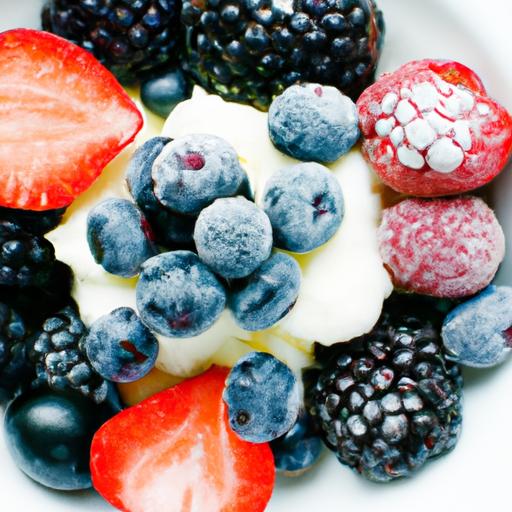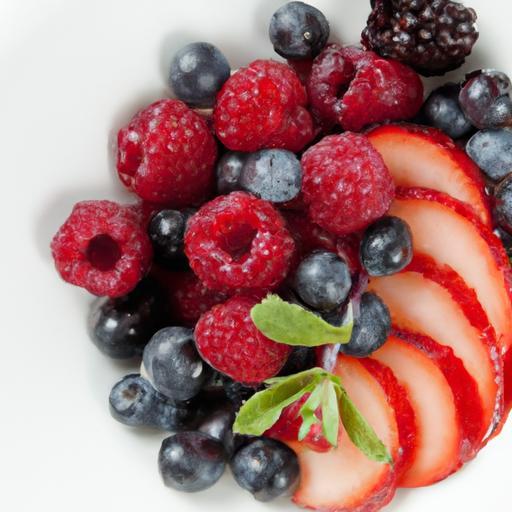

Bright, juicy, and bursting with flavor-berries have long been celebrated as nature’s tiny superfoods. But when it comes to packing a vitamin-packed punch, the debate between fresh and frozen berries has sparked curiosity and controversy alike. Do frozen berries hold onto their nutrient treasure trove, or does fresh produce reign supreme in the vitamin department? In this article, we peel back the layers to uncover which berry form truly delivers maximum health benefits, helping you make the tastiest and most nutritious choice for your next berry fix.
Fresh vs Frozen Berries: Which Packs More Vitamin Power? is a question that invites us to explore how everyday choices in berry selection can dramatically impact our nutrient intake and antioxidant health benefits. Whether you’re savoring a summer harvest or reaching for a bag from your freezer, understanding how storage and handling affect vitamin retention in berries is key to enjoying their full nutritional potential.
Prep and Cook Time
Preparation: 10 minutes | Cooking (optional): 5 minutes
Yield
Serves 4 as a nutritious snack or dessert topping.
Difficulty Level
Easy
Ingredients
- 2 cups fresh mixed berries (blueberries, raspberries, strawberries, blackberries)
- 2 cups frozen mixed berries (no added sugars or preservatives)
- 2 tablespoons fresh lemon juice
- 1 teaspoon raw honey (optional, for natural sweetness)
- Fresh mint leaves (for garnish)
- Greek yogurt or oatmeal (to serve, optional)
Instructions
- Thaw the frozen berries gently: Transfer the frozen berries to a bowl and let them thaw in the fridge for about 2 hours or under cool running water for 5 minutes to preserve texture and prevent nutrient loss.
- Combine fresh and thawed berries: In a medium bowl, carefully mix the fresh and thawed frozen berries, allowing their natural juices to mingle.
- Zest with lemon juice and honey: Drizzle the lemon juice and honey over the berry mixture. Stir gently to enhance flavors and boost vitamin C absorption.
- Optional warm-up: For a comforting treat, gently warm the berry mixture in a saucepan over low heat for 3-5 minutes, stirring occasionally until slightly thickened and fragrant.
- Serve and garnish: Spoon the berries over Greek yogurt or oatmeal. Garnish with fresh mint leaves for a refreshing, colorful finish.
Tips for Success
- Choosing berries: For maximum antioxidant benefits, choose vibrant, deeply colored berries whether fresh or frozen, as pigmentation often indicates nutrient density.
- Handling fresh berries: Rinse fresh berries just before use, never before storing, to prevent mold and nutrient degradation.
- Freezing at peak ripeness: Frozen berries picked and flash-frozen at their peak maintain vitamin levels better than off-season fresh berries shipped over long distances.
- Substitutions: Try pomegranate arils or goji berries for interesting flavor profiles and comparable antioxidant content.
- Make-ahead advice: Prepare the mixture a few hours ahead to let flavors meld, but add fresh herbs just before serving to keep them bright and fresh.
Serving Suggestions
Enjoy this berry blend as a nutritious breakfast topper or a light dessert. Pair with creamy Greek yogurt or warm oatmeal to balance tartness with smooth texture. For an elegant presentation, layer the berries in a clear glass parfait with granola, then finish with a sprig of fresh mint and a dusting of powdered cinnamon or cocoa powder. These simple touches highlight the vibrant reds and blues, turning a healthy snack into a feast for the eyes and body alike.
| Nutrient | Fresh Berries | Frozen Berries |
|---|---|---|
| Vitamin C (mg) | 25 | 23 |
| Fiber (g) | 4.5 | 4.3 |
| Calories | 80 | 78 |
| Antioxidants (ORAC units) | 6500 | 6400 |
By thoughtfully combining both fresh and frozen varieties, you harness the best of both worlds to maximize vitamin retention and antioxidant intake for overall wellness. For more insights on nutrient preservation, check out our article on How to Store Herbs to Extend Freshness.
For scientifically validated nutrient profiles, the USDA FoodData Central database is an excellent resource: USDA FoodData Central.

Q&A
Q: Are fresh berries always more nutritious than frozen ones?
A: Not necessarily! While fresh berries are often prized for their vibrant flavor and texture, frozen berries can actually retain more vitamins since they’re typically frozen soon after harvest, locking in nutrients before they have a chance to degrade.
Q: How does freezing affect the vitamin content in berries?
A: Freezing generally preserves most vitamins, especially vitamin C and antioxidants, which can diminish when fresh berries are stored for several days. However, some delicate nutrients might slightly decrease during the blanching process used before freezing.
Q: Can frozen berries be a better choice than fresh in winter?
A: Absolutely. In the off-season, fresh berries may be shipped long distances and stored for extended periods, causing vitamin loss. Frozen berries, harvested and frozen at peak ripeness, can offer higher vitamin levels despite being out of season.
Q: What vitamins do berries pack, regardless of being fresh or frozen?
A: Berries are rich in vitamin C, vitamin K, manganese, and powerful antioxidants like anthocyanins. These nutrients support immunity, skin health, and fight inflammation, making both fresh and frozen berries nutritional champions.
Q: Any tips for maximizing vitamin intake from berries?
A: To capture the most nutrients, eat berries soon after purchase if fresh, or opt for frozen varieties that have no added sugar. Also, consider incorporating them into smoothies or yogurts to enjoy their vitamin boost year-round.
Q: So, which wins-fresh or frozen?
A: The true winner is whichever berry you enjoy most and eat regularly! Both fresh and frozen berries bring impressive vitamin power to your plate, helping you savor nature’s sweet, nutrient-packed gifts any time of year.
Key Takeaways
In the battle of fresh vs frozen berries, the question of which packs more vitamin power doesn’t have a one-size-fits-all answer. Fresh berries often shine with vibrant flavor and nutrient peaks when perfectly ripe, while frozen berries capture and preserve those vital vitamins at their harvest-time prime, locking in health benefits through chilly preservation. Whether you reach for freshly picked clusters or a frosty bag from the freezer aisle, both choices bring a burst of antioxidant goodness to your table. Ultimately, the best berry is the one that fits your lifestyle and keeps you enjoying nature’s sweet, nutritious gems year-round. So go ahead-savor the berry bounty in whichever form delights your palate and powers your day.