
Every runner knows that crossing the finish line of a marathon is as much a triumph of the body as it is of the mind. Yet, behind every victorious stride lies a less visible but equally vital ingredient: fuel. What you eat and drink before, during, and after those 26.2 miles can transform your race from a test of endurance into a symphony of peak performance. Welcome to “Fueling Your Marathon: The Ultimate Guide to Peak Performance,” where we unpack the science, strategies, and savory secrets that power marathoners from the starting line to their personal bests. Whether you’re a seasoned runner fine-tuning your regimen or a first-timer gearing up for race day, this guide will help you harness nutrition as your greatest ally on the road to victory.
Strategic Nutrition and Hydration: Your Recipe for Marathon Success
Fueling your marathon: the ultimate guide to peak performance begins with mastering the art of sustaining energy and optimizing recovery through carefully balanced nutrition and hydration strategies. Understanding how to fuel your body for endurance running not only maximizes your performance but ensures you cross the finish line feeling strong and revitalized.
Prep and Cook Time
- Preparation: 15 minutes
- Cooking/Assembly: 10 minutes
Yield
- Serves: 1 focused athlete’s fueling plan
Difficulty Level
- Easy – tailor it uniquely for your energy needs
Ingredients for an Optimal Endurance Fuel Mix
- 1 cup cooked quinoa – a complex carbohydrate powerhouse
- ½ cup cooked sweet potato, mashed – rich in antioxidants and potassium
- 3 oz grilled chicken breast, sliced – lean protein for muscle repair
- 1 tbsp chia seeds – hydration and omega-3 support
- 1 medium banana – natural sugars and potassium for electrolyte balance
- 1 cup coconut water – natural electrolytes for hydration
- 1 tbsp almond butter – healthy fats for sustained energy
- Pinch of sea salt – to replenish sodium lost through sweat
- Fresh spinach leaves – iron and antioxidants for endurance
- Optional: 1 tsp honey – for a quick glucose boost in pre-race fuel
Instructions: Crafting Your Endurance & Recovery Fuel
- Combine the quinoa and mashed sweet potato in a large bowl. These complex carbs create a steady energy release during long runs.
- Add the sliced grilled chicken breast to the carb base, creating a balanced macronutrient profile vital for muscle endurance and repair.
- Fold in chia seeds, almond butter, and fresh spinach leaves, ensuring the mixture is well blended. This adds hydration, omega fatty acids, and essential micronutrients.
- In a separate small bowl, mash the banana and stir in coconut water with a pinch of sea salt. This electrolyte-rich mixture helps maintain fluid balance before and after your training.
- For pre-race fuel, drizzle honey over the banana-coconut blend to provide fast-acting carbohydrates that elevate glycogen stores without upsetting your stomach.
- Serve the quinoa-protein mixture alongside the banana-coconut electrolyte drink. Consume 2-3 hours before running (pre-race) or within 30 minutes post-run to recharge efficiently.
- Hydrate continuously during training sessions using small sips of coconut water mixed with plain water to prevent overhydration while sustaining electrolyte balance.
Chef’s Notes: Tips for Success
- Adjust carbohydrate portions based on your training volume-longer runs require larger servings.
- For plant-based athletes, swap chicken with grilled tofu or tempeh for equivalent protein.
- Integrate the banana-coconut hydration regularly especially in warm climates to combat dehydration symptoms.
- Test your pre-race fuel in training to find the best timing and quantities that suit your digestion.
- Prep variations: make a batch of quinoa and sweet potato in advance, portion into meal prep boxes, and add fresh components the day of your run.
Serving Suggestions
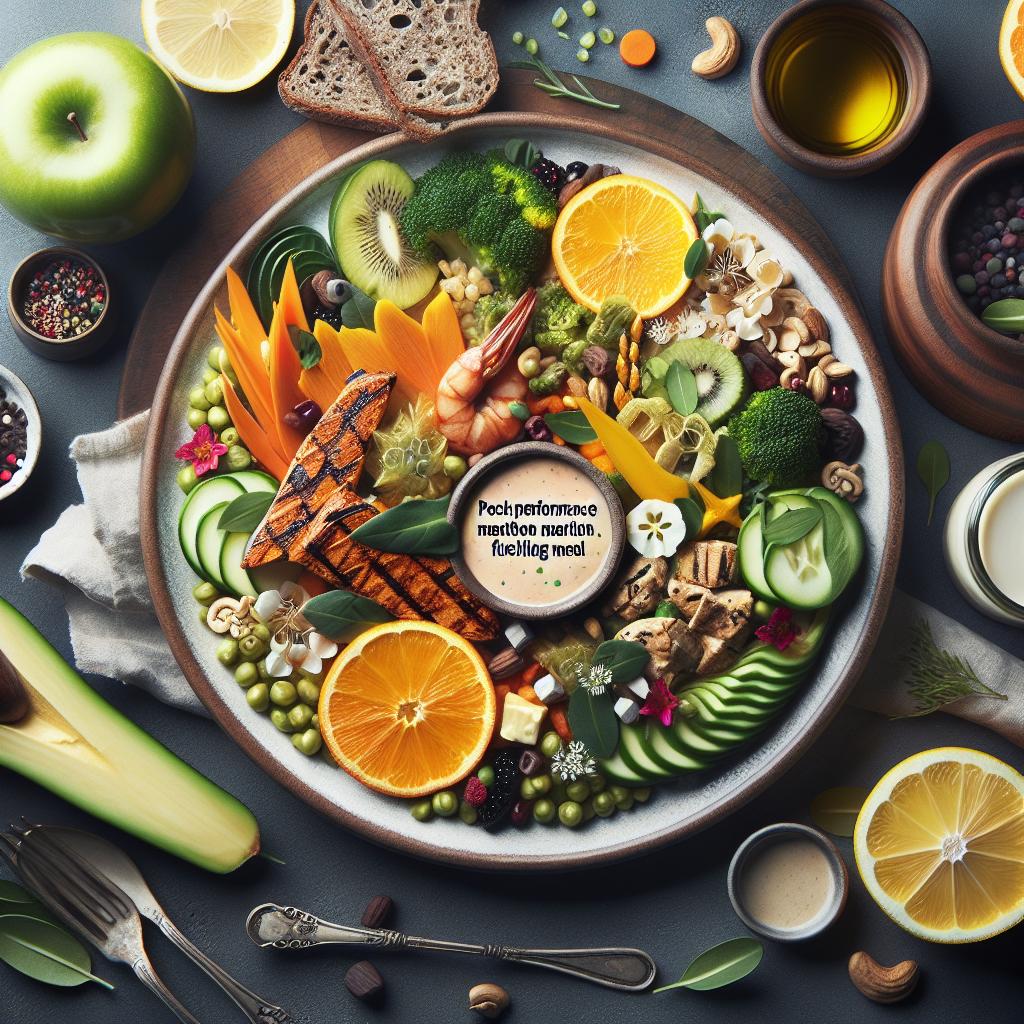
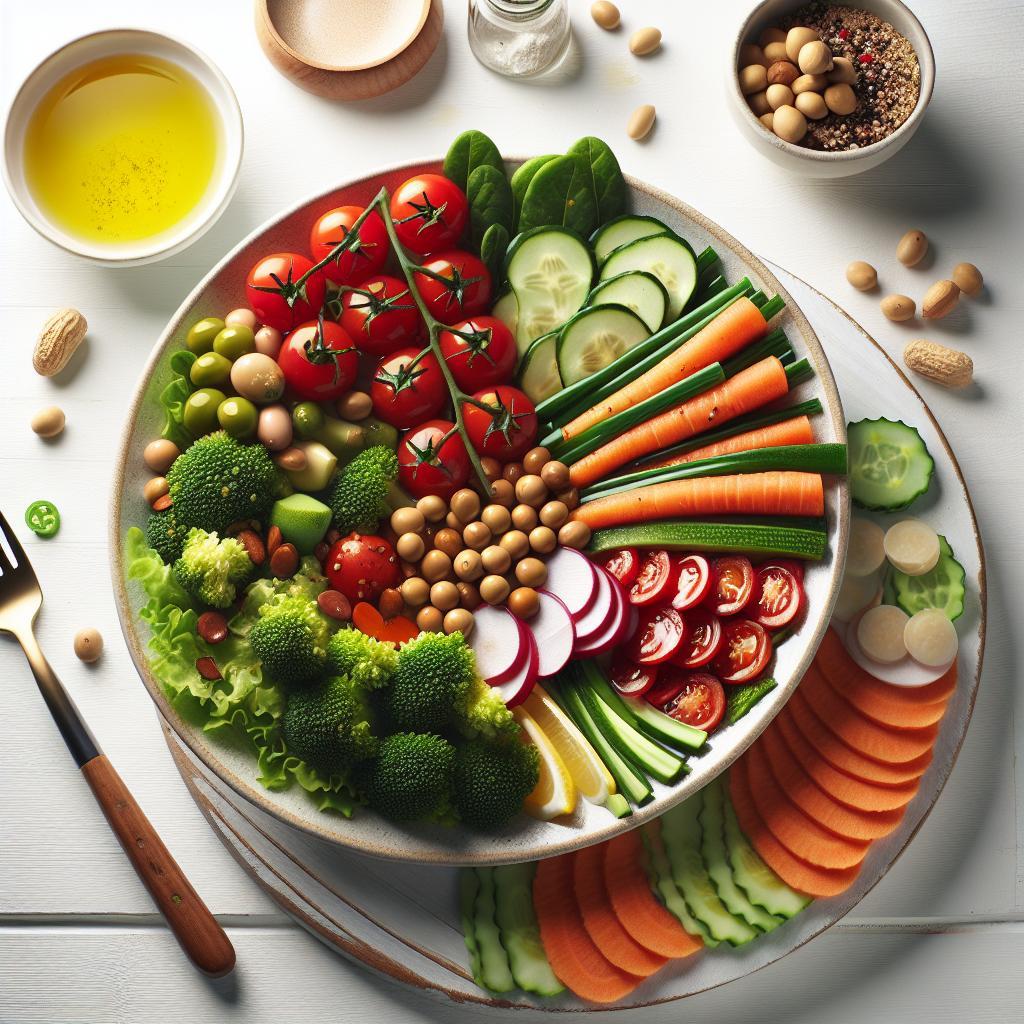
Plate the quinoa and chicken mixture attractively on a shallow bowl, garnished with a few extra fresh spinach leaves and a sprinkle of chia seeds for visual appeal and texture. Serve the banana-coconut electrolyte drink chilled in a clear glass with a lemon wedge on the rim for freshness. This ensemble not only fuels your body but delights your senses, transforming functional nutrition into an inspiring marathon ritual.
| Nutrient | Amount per Serving |
|---|---|
| Calories | 450 kcal |
| Protein | 32 g |
| Carbohydrates | 55 g |
| Fat | 12 g |
Explore expert hydration tips for endurance athletes to complement this fueling strategy.
For more tailored meal plans crafted to power your training days, check out our Endurance Nutrition Plans section.

Q&A
Q&A: Fueling Your Marathon – The Ultimate Guide to Peak Performance
Q1: Why is proper fueling essential for marathon runners?
A1: Think of your body as a high-performance engine. Without the right fuel, it sputters, stalls, and struggles to finish the race. Proper fueling ensures your muscles have the energy to keep moving, your mind stays sharp, and your body recovers quickly. It’s the secret sauce that transforms a tough run into a triumph.
Q2: When should a marathon runner start thinking about nutrition?
A2: Nutrition isn’t just race day business-it’s a full-season strategy! Start fueling smart weeks, even months, before the marathon. Building glycogen stores, hydrating consistently, and practicing your race-day meals during training are vital steps toward hitting the finish line strong.
Q3: What’s the best pre-run meal to optimize energy without causing discomfort?
A3: Aim for a mix of easily digestible carbs, a bit of protein, and low fat about 2-3 hours before running. Think oatmeal with a banana and a drizzle of honey or a slice of whole-grain toast with peanut butter. Avoid heavy or fiber-rich foods that might turn your stomach into a battleground.
Q4: During the marathon, how do I know how and when to refuel?
A4: Your body taps into glycogen stores after roughly 60-90 minutes of running, so plan to take in 30-60 grams of carbohydrates per hour. Gel packs, sports drinks, or energy chews work well-just practice during training to find your fave. Hydrate consistently but avoid gulping too much at once to keep cramps at bay.
Q5: Are there specific nutrients that help with endurance and recovery?
A5: Absolutely! Carbs fuel your muscles, protein repairs them, and electrolytes like sodium and potassium maintain your body’s balance, preventing cramps and fatigue. Post-run meals rich in all three-think a smoothie with banana, protein powder, and a pinch of salt-speed recovery and prep you for your next workout.
Q6: Can hydration alone make or break marathon performance?
A6: Hydration is king, yet balance is key. Dehydration drains your energy and focus, but overhydration can lead to hyponatremia-a dangerous dilution of body salts. Sip consistently, listen to your thirst cues, and incorporate electrolyte-rich fluids, especially in hot or humid conditions.
Q7: Is “carb-loading” necessary, and how does it work?
A7: Carb-loading is the art of maximizing glycogen storage in your muscles before race day. During the 2-3 days leading up to the marathon, increase carbohydrate intake while tapering your running. This supercharges your energy tanks, giving you the stamina to power through those last grueling miles.
Q8: What role does gut health play in marathon fueling?
A8: Your gut is your endurance partner-when happy, it efficiently absorbs nutrients and keeps discomfort away. Eat fiber-rich foods in training, but scale back on race day to avoid GI distress. Consider probiotics or fermented foods to keep your digestive system resilient and ready.
Q9: How important is personalization in a marathon fueling plan?
A9: Every runner is unique, like a fingerprint of energy needs. Experiment during training to discover what foods, timing, and hydration strategies suit your body. The perfect race day fuel is a personal recipe crafted by trial, error, and experience.
Q10: What’s the single most valuable piece of advice for marathon fueling?
A10: Start early, practice often, and listen to your body’s cues. Fueling isn’t a last-minute sprint; it’s a marathon of preparation. When you respect your body’s needs and feed it wisely, you unlock a powerful edge that turns miles into milestones.
To Conclude
As your journey toward marathon mastery unfolds, remember that fueling your body is not just about eating-it’s about empowering every stride with intention and care. From the first energized bite to the strategic hydration along the route, the fuel you choose is the secret ingredient to unlocking your peak performance. Armed with this ultimate guide, you’re ready to transform miles into milestones and sweat into success. Lace up, nourish well, and let every step tell the story of a runner who knows that true strength comes from within-and from the plate. Here’s to your best marathon yet!