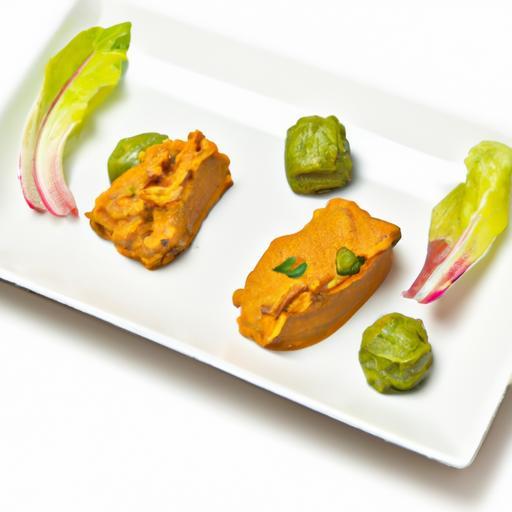

Imagine a bustling city where every resident plays a vital role in maintaining harmony-some store food, others build infrastructure, and yet more keep the peace. Now picture what happens when this delicate balance is disrupted, chaos creeping into once-synchronized streets. Inside our bodies, a similar microcosm exists: trillions of gut microbes working tirelessly to keep us healthy. But what happens when this microbial metropolis falls out of sync? Welcome to the enigmatic world of gut dysbiosis, where the tiny lifeforms within us turn awry, tipping the scales of wellness towards imbalance. In this article, we decode the mysteries of gut dysbiosis, unraveling how and why these microbial missteps occur, and what they mean for our health and vitality.
Embracing Gut Dysbiosis Decoded Flavors: A Gut-Healing Fermented Vegetable Medley
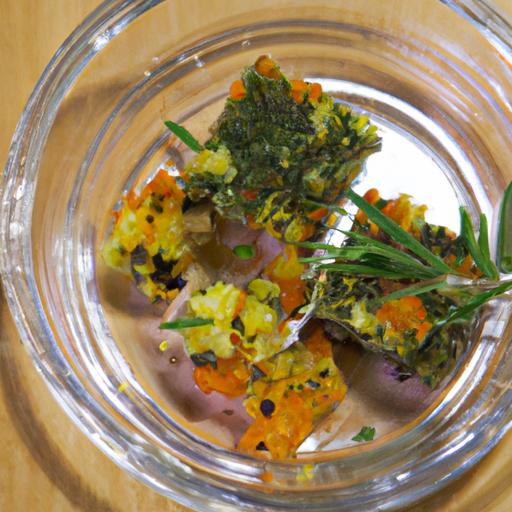
Gut Dysbiosis Decoded reveals the hidden turmoil within our digestive system, a microbial drama that demands not just awareness but delicious intervention. One way to nurture and restore your gut flora is through fermented foods. This vibrant fermented vegetable medley originates from traditional fermentation methods used worldwide, celebrated especially in Korean kimchi and German sauerkraut, known to cultivate beneficial bacteria that soothe a dysbiotic ecosystem inside you. Inspired by these timeless practices, this recipe is designed to make the healing deliciously simple, vibrant, and accessible – a microbial feast that transforms your kitchen into a gateway towards balanced wellness.
Prep and Cook Time
- Preparation: 25 minutes
- Fermentation: 5-7 days (room temperature)
Yield
Approximately 4 cups (serves 6 as a side dish)
Difficulty Level
Easy – Perfect for beginners diving into the world of fermentation
Ingredients
- 1 medium Napa cabbage (about 2 pounds), chopped
- 1 large carrot, julienned
- 1 cup daikon radish, thinly sliced
- 4 green onions, cut into 1-inch pieces
- 3 cloves garlic, minced
- 1 tablespoon fresh ginger, grated
- 3 tablespoons sea salt (non-iodized)
- 2 teaspoons Korean chili flakes (gochugaru) – optional for mild heat
- 1 teaspoon fish sauce or tamari for vegetarian option
- 1 cup filtered water, for brine
Instructions
- Prepare the vegetables: In a large bowl, sprinkle 3 tablespoons of sea salt over the chopped Napa cabbage. Massage the salt into the cabbage until it softens and releases moisture, about 10 minutes. This step is pivotal in drawing out water to help create a natural brine.
- Rinse and drain: Rinse the salted cabbage under cold water twice to remove excess salt. Drain thoroughly and squeeze gently to release any remaining liquid.
- Create the flavor paste: In a separate bowl, combine garlic, ginger, Korean chili flakes, and fish sauce. Mix well to form a spicy, aromatic paste that infuses your ferment with complexity and depth.
- Mix all ingredients: Add the prepared cabbage, carrot, radish, and green onions to the bowl with the flavor paste. Wearing gloves, gently toss until the vegetables are evenly coated.
- Pack the jar: Firmly pack the vegetable mixture into a clean glass jar, pressing down to remove air pockets and release juice. Pour in any leftover liquid from the bowl to cover the vegetables fully.
- Seal and ferment: Close the jar with an airlock lid or a loosely fitted regular lid to allow gases to escape. Store the jar at room temperature away from direct sunlight and ferment for 5 to 7 days. Check daily and press vegetables down if they rise above the brine.
- Refrigerate and enjoy: Once fermented to your desired tanginess and effervescence, seal the jar tightly and refrigerate. The medley will continue to develop flavor slowly and can last up to 2 months refrigerated.
Chef’s Notes for Success
- For a milder ferment, reduce the fermentation time to 3-4 days.
- Use a clean utensil each time you taste to avoid contamination.
- Experiment with adding other colorful veggies like red cabbage or bell peppers for visual appeal and diversity in nutrients.
- If the mix appears cloudy or bubbles excessively, it’s a good sign of active fermentation; however, trust your nose. Any foul smell or sliminess indicates spoilage, requiring a fresh batch.
- Make-ahead tip: Prepare the vegetable mix, pack in jars, and ferment in small batches for continuous gut-nourishing supply.
Serving Suggestions
Savor this fermented vegetable medley as a lively side to rich, comforting dishes such as grilled meats, roasted root vegetables, or hearty stews. Use it as a tangy topping on sandwiches and grain bowls, or fold it into scrambled eggs for a probiotic-packed breakfast. Garnish with fresh cilantro or a sprinkle of black sesame seeds to add another layer of texture and flavor.
| Nutrient | Per Serving (½ cup) |
|---|---|
| Calories | 25 |
| Protein | 1g |
| Carbohydrates | 5g |
| Fat | 0g |
| Fiber | 2g |
| Probiotics | Rich |

For a deeper dive into microbial health, explore our detailed Microbiome Nutrition Guide. To understand the scientific backbone of fermentation benefits, visit this NCBI fermentation study.
Q&A
Q&A: Gut Dysbiosis Decoded – When Your Microbes Go Awry
Q1: What exactly is gut dysbiosis?
A1: Imagine your gut as a bustling city teeming with trillions of microscopic residents-your gut microbes. Gut dysbiosis happens when this vibrant metropolis falls out of balance, with harmful bacteria outnumbering the friendly ones. This microbial chaos can disrupt digestion, immunity, and even mood, turning your gut into a troubled town.
Q2: How do these tiny microbes affect our health?
A2: Your gut microbes are like skilled gardeners tending to your internal ecosystem. They help break down food, produce vital nutrients, and keep harmful invaders at bay. When they’re happy and balanced, your body thrives. But when dysbiosis creeps in, these roles falter, and your health might take a hit-ranging from digestive issues to unexpected impacts on mental well-being.
Q3: What causes gut dysbiosis?
A3: Several culprits can upset your microbial harmony. Overuse of antibiotics, high-sugar or processed diets, chronic stress, infections, and certain illnesses can all tip the scales. Even lifestyle changes, like poor sleep or lack of exercise, may open the door to microbial mayhem.
Q4: What are the signs that your gut microbes are off balance?
A4: Symptoms of dysbiosis are often subtle but persistent. Think bloating, gas, irregular bowel movements, fatigue, skin irritations, or brain fog. Sometimes, it feels like your gut is sending you distress signals, begging for attention and restoration.
Q5: Can you fix gut dysbiosis, and how?
A5: The good news? Yes! Restoring gut balance is like healing a wounded garden. Nourish your microbes with a fiber-rich, plant-based diet, introduce probiotics through fermented foods or supplements, minimize antibiotics unless absolutely necessary, manage stress, and get regular exercise. Personalized approaches, guided by healthcare professionals, can optimize results.
Q6: Is gut dysbiosis linked to any serious diseases?
A6: Research is illuminating connections between gut dysbiosis and conditions like inflammatory bowel disease, obesity, diabetes, allergies, and even mood disorders such as anxiety and depression. While not the sole cause, an imbalanced gut may be a key player in the puzzle of chronic illness.
Q7: How does one maintain a healthy gut microbiome long-term?
A7: Think of your gut as a delicate but resilient ecosystem. Keep it flourishing by eating diverse, whole foods, staying hydrated, prioritizing sleep, minimizing unnecessary antibiotics, and incorporating mindfulness practices to reduce stress. Consistency is your microbial friend.
Q8: What’s the future of gut health research?
A8: The frontier is thrilling! Scientists are exploring personalized microbiome therapies, targeted probiotics, and even fecal transplants to recalibrate dysbiotic guts. As we decode the microbial enigma, tailored treatments promise to revolutionize medicine, putting your gut’s tiny inhabitants at the forefront of health innovation.
In short, your gut microbes are silent maestros orchestrating your well-being. When they go awry, understanding and tending to their world can bring balance back to your body and mind. Gut dysbiosis decoded: the first step to reclaiming harmony is awareness!
To Wrap It Up
As we journey deeper into the microscopic world within us, the delicate balance of our gut microbiome emerges as both guardian and potential saboteur of our health. Gut dysbiosis, once a shadowy concept, now unfolds as a vital key to understanding many of the puzzles that afflict our bodies and minds. By decoding when our microbes go awry, we open the door to not only diagnosing hidden imbalances but also crafting personalized paths toward restoration and well-being. In caring for our unseen companions, we ultimately honor the profound connection woven between life’s smallest inhabitants and our own vibrant existence. So, the next time you consider what nourishes you, remember: nurturing your gut is nurturing the harmony within.