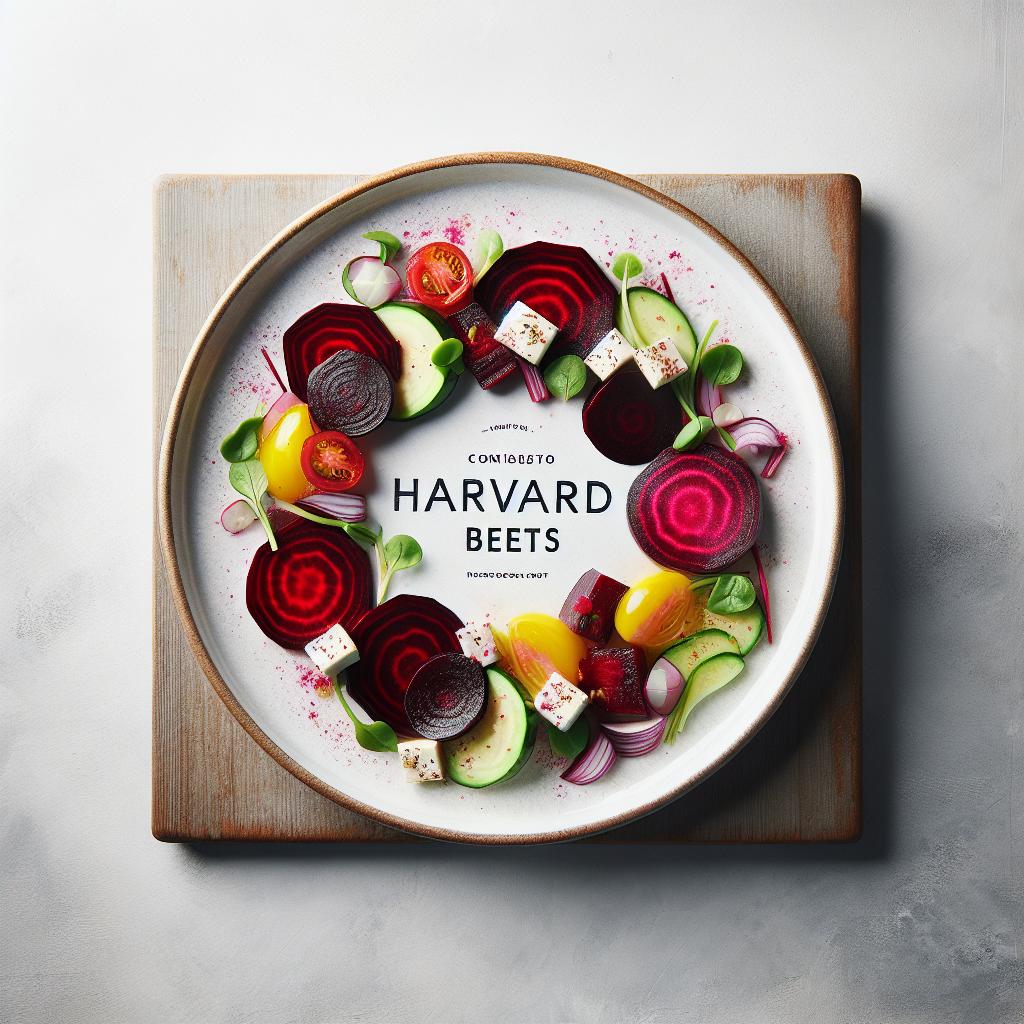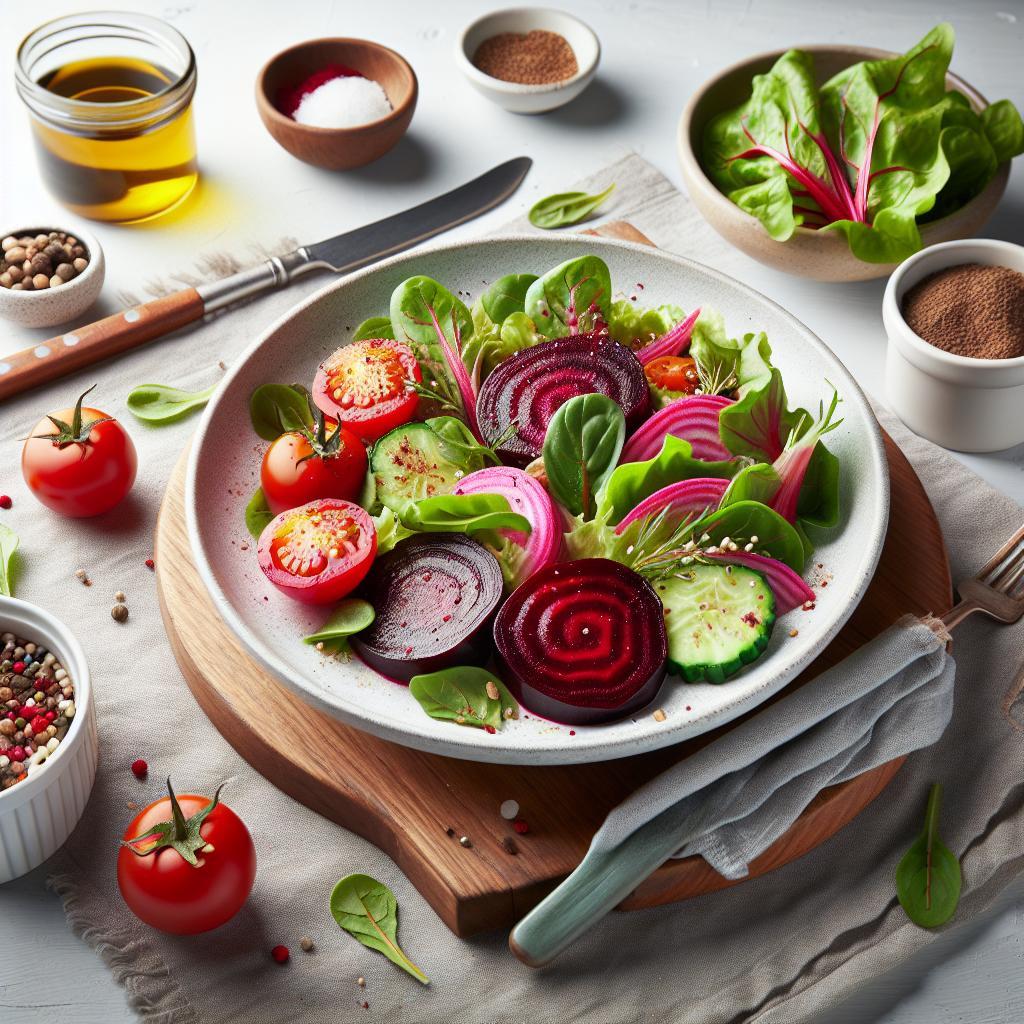

In the world of timeless side dishes, few can match the vibrant charm and earthy sweetness of Harvard beets. This classic recipe, rooted in tradition yet endlessly adaptable, offers a stunning pop of color and a burst of flavor that can elevate any meal. Whether you’re a seasoned home cook or a curious kitchen adventurer, exploring a fresh take on Harvard beets opens the door to a delightful blend of simplicity and sophistication. Join us as we unravel the secrets behind this beloved dish and discover how to bring a modern twist to a culinary gem that never goes out of style.
Harvard Beets Recipe: a fresh take on a timeless side brings a vibrant twist to this classic American favorite, elevating traditional flavors with bold, tangy nuances and a touch of contemporary flair. Originating as a comforting accompaniment in hearty meals, the Harvard beet has long delighted with its crimson color and balance of sweetness and acidity. Today, we explore how to reinvent this nostalgic dish by choosing the best beets for optimal texture and sweetness, mastering the signature glaze, and serving it in ways that make it truly unforgettable.
Prep and Cook Time
Preparation: 15 minutes | Cooking: 30 minutes | Total Time: 45 minutes
Yield
Serves 4 generously as a side dish
Difficulty Level
Easy to Medium – suitable for cooks of all levels with simple ingredients and straightforward steps.
Ingredients
- 4 medium fresh beets, scrubbed and trimmed (about 1 1/2 lbs)
- 1/2 cup apple cider vinegar – for that signature tang
- 1/4 cup granulated sugar – balances the acidity and enhances natural sweetness
- 2 tablespoons unsalted butter – adds richness to the glaze
- 1/2 teaspoon salt, or to taste
- Freshly ground black pepper, to taste
- 1/4 cup finely chopped yellow onion – optional, for added depth
- 1/4 cup water – to adjust glaze consistency
- Fresh thyme sprigs or parsley, for garnish
Instructions
- Prepare the beets: Boil the beets whole with their skins on in a pot of salted water for 30-40 minutes until tender when pierced with a fork. Alternatively, roast wrapped in foil at 400°F (200°C) for 45 minutes. Let cool slightly, then peel using your hands or a paper towel. Slice into 1/4-inch thick rounds or wedges.
- Make the tangy glaze: In a medium skillet, melt the butter over medium heat. Add chopped onion and sauté until translucent and fragrant, about 3 minutes.
- Add vinegar and sugar: Pour in the apple cider vinegar and sprinkle the sugar evenly. Stir gently until the sugar dissolves and the liquid starts to simmer.
- Simmer and reduce: Add water if the mixture seems too thick. Let the glaze gently simmer for 5-7 minutes, stirring occasionally, until slightly thickened and glossy. Season with salt and pepper.
- Combine beets and glaze: Add the sliced beets to the skillet. Toss gently to coat each piece uniformly with the vibrant red glaze. Cook for another 5 minutes, allowing flavors to meld and the glaze to cling beautifully to the beets.
- Finish with fresh herbs: Remove from heat and sprinkle fresh thyme leaves or chopped parsley to add a pop of color and a fragrant note that contrasts the tanginess.
- Serve warm or room temperature: Transfer beets to a serving dish, making sure the glossy glaze is visible for an inviting presentation.
Tips for Success
- Choosing the perfect beets: Opt for smaller, firm beets with smooth skin as they tend to be sweeter and more tender. Avoid large, woody beets that may have a bitter edge.
- Peeling tip: Peeling after cooking is easiest and keeps the vibrant color intact. Use gloves or rub with a paper towel to prevent staining your hands.
- Glaze variations: Swap apple cider vinegar with red wine vinegar or add a teaspoon of Dijon mustard for subtle complexity.
- Make-ahead: Prepare the glaze and cooked beets a day ahead, then gently reheat to serve as flavors intensify beautifully overnight.
- Texture tweak: For a little crunch, sprinkle toasted pecans or walnuts just before serving.
- Sweetness balance: Adjust sugar to your taste preference, especially if your beets are extra sweet.
Serving Suggestions
Present these reinvented Harvard beets alongside hearty roast meats or creamy mashed potatoes for a sophisticated contrast. Their vivid red glaze makes them a stunning centerpiece on holiday spreads or garden-fresh lunches. Garnish with fresh thyme springs or a sprinkle of crumbled goat cheese for a luxe touch. For a light, refreshing option, pair with a crisp green salad and toasted baguette slices. Drizzle a little extra glaze as a finishing touch, capturing the eye and palate alike.
| Nutrient | Per Serving |
|---|---|
| Calories | 110 kcal |
| Protein | 2 g |
| Carbohydrates | 25 g |
| Fat | 4 g |
Internal Resource: For more vibrant vegetable side dishes, explore our collection of roasted vegetable recipes.
External Reference: Discover more on the health benefits of beets from Healthline’s beet nutrition guide.

Q&A
Q&A: Harvard Beets Recipe – A Fresh Take on a Timeless Side
Q1: What exactly are Harvard beets?
A1: Harvard beets are a classic side dish featuring tender, sweet cooked beets glazed in a tangy, vibrant sauce made primarily from vinegar, sugar, and often mustard or butter. Originating in the Victorian era, the dish marries earthy beet flavors with a bright, slightly sweet-and-sour tang, making it a timeless complement to many meals.
Q2: How does this fresh take on Harvard beets differ from the traditional recipe?
A2: The fresh take refreshes the classic by incorporating modern ingredients and techniques. Instead of a heavy syrupy glaze, this version uses fresh orange juice and zesty lemon to brighten the sauce, along with a touch of honey for natural sweetness. A sprinkle of fresh herbs like thyme or parsley adds an aromatic lift, turning an old favorite into a contemporary, lighter side dish.
Q3: What are the benefits of using fresh beets in this recipe?
A3: Fresh beets bring vibrant color and a deep, earthy sweetness that canned or pre-cooked beets can’t match. Cooking your own beets allows you to control texture-whether you prefer them slightly crisp or melting tender-and ensures the freshest flavor profile that truly shines when paired with the tangy sauce.
Q4: Can Harvard beets be served both hot and cold?
A4: Absolutely! Harvard beets are wonderfully versatile. Serve them warm as a comforting side alongside roasted meats, or chill them for a refreshing salad with a sprinkle of fresh herbs and a little crumbled goat cheese. Both temperatures spotlight the dish’s balanced flavor and elegant simplicity.
Q5: Are Harvard beets suitable for special diets?
A5: Yes! This dish is naturally gluten-free and vegan (with a few mindful swaps-like using olive oil instead of butter). It fits seamlessly into low-fat or paleo diets when prepared with wholesome, minimally processed ingredients. Plus, it’s packed with fiber, vitamins, and antioxidants-making it as nourishing as it is beautiful.
Q6: What creative twists can home cooks try with the Harvard beets base?
A6: For a fun twist, try adding a hint of spice with minced ginger or a dash of smoked paprika. Toasted nuts or seeds sprinkled on top add delightful crunch. Swap out traditional white vinegar for apple cider or balsamic for a unique flavor angle. Finally, roasting the beets before glazing can deepen their natural sweetness and lend a caramelized note.
Q7: How do you best store leftover Harvard beets?
A7: Leftovers can be stored in an airtight container in the refrigerator for up to 4 days. Because the beets soak up the tangy glaze, their flavor often intensifies overnight, making the next-day taste even more delicious. For longer storage, freeze after cooking and reheat gently to preserve texture.
Q8: What pairing suggestions are ideal for serving Harvard beets?
A8: Harvard beets pair wonderfully with hearty mains such as roast beef, grilled chicken, or baked salmon. Their bright acidity cuts through rich flavors beautifully. They also harmonize with creamy mashed potatoes, quinoa salads, or crusty artisan bread for a balanced, colorful plate.
This Q&A aims to inspire cooks to rediscover Harvard beets with fresh eyes and inventive touches while honoring the nostalgic essence of this charming side dish. Enjoy the sweet-and-tangy magic on your table!
Concluding Remarks
As the vibrant hues of Harvard beets grace your plate, you’ve not only prepared a side dish but also revived a cherished classic with a fresh twist. This recipe invites you to celebrate the humble beet in a way that’s both timeless and refreshing-melding tradition with a spark of creativity. Whether served alongside a festive roast or as a colorful addition to your everyday meal, these Harvard beets promise a burst of flavor that’s as nourishing as it is nostalgic. So next time you’re looking to elevate your side dishes, remember: sometimes, the simplest ingredients hold the most delightful surprises. Happy cooking!