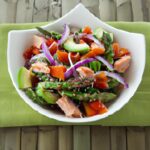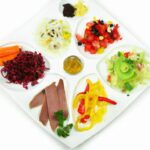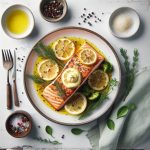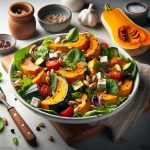

In the intricate symphony of healing, inflammation often plays the double-edged role of both protector and saboteur. While it’s your body’s natural response to injury or stress, unchecked inflammation can slow down recovery, turning your path to wellness into a winding road. What if the secret to a speedier, smoother healing journey was on your plate? Welcome to the world of anti-inflammatory foods-nature’s delicious remedy that can help quiet the fire within, reduce pain, and accelerate repair. In this article, we’ll explore the top culinary champions that don’t just satisfy your taste buds but actively support your body’s recovery process. Prepare to heal faster and feel better, one bite at a time.
Healing Power on Your Plate: Discover the Science Behind Anti-Inflammatory Foods
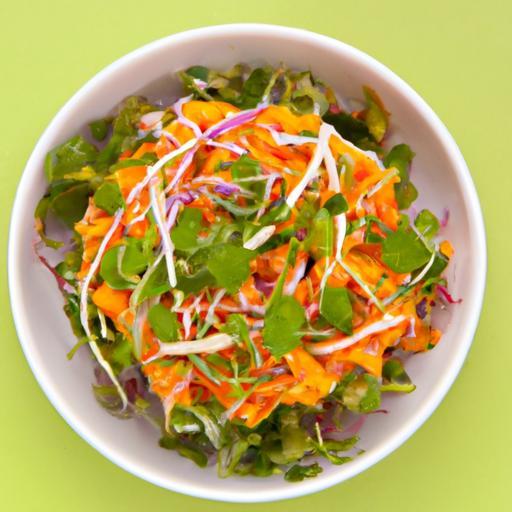
Heal Faster: Top Anti-Inflammatory Foods for Recovery isn’t just a mantra-it’s an invitation to transform your meals into powerful allies against inflammation. Originating from traditional diets yet powered by modern nutritional science, this vibrant bowl brings together nutrient-rich heroes like turmeric, ginger, leafy greens, and berries that actively help your body bounce back quicker. Inspired by my grandmother’s healing kitchen, where food was always the first medicine, this dish celebrates how colorful, thoughtfully combined ingredients can reduce inflammation and boost healing without sacrificing flavor or fun.
Prep and Cook Time:
Prep: 15 minutes | Cook: 20 minutes | Total: 35 minutes
Yield:
Serves 4 generous portions
Difficulty Level:
Easy – Perfect for both kitchen novices and seasoned cooks alike
Ingredients:
- 1 tbsp extra virgin olive oil
- 2 cloves garlic, minced
- 1 inch fresh turmeric root, peeled and grated (or 1 tsp ground turmeric)
- 1 inch fresh ginger root, peeled and grated
- 1 medium red onion, thinly sliced
- 2 cups kale, chopped, stems removed
- 1 cup cooked quinoa, cooled
- 1 cup mixed berries (blueberries, strawberries, and raspberries)
- 1/2 cup walnuts, roughly chopped
- Juice of 1 lemon
- 1 tbsp raw honey
- Salt and freshly cracked black pepper to taste
- Fresh mint leaves for garnish
Instructions:
- Heat olive oil over medium heat in a large skillet. Add the minced garlic, grated turmeric, and ginger. Sauté until fragrant, about 2 minutes, stirring often to prevent burning.
- Add the sliced red onion and cook until soft and translucent, about 5 minutes, stirring occasionally.
- Toss in the kale and sauté for 3-4 minutes until just wilted but still bright green.
- Remove the skillet from heat and stir in the cooked quinoa to combine all flavors evenly.
- In a small bowl, whisk together lemon juice, honey, salt, and pepper to create the dressing.
- Drizzle the dressing over the quinoa-kale mixture and toss gently to coat.
- Garnish with mixed berries, chopped walnuts, and fresh mint leaves. Serve warm or at room temperature.
Tips for Success:
- For an extra anti-inflammatory punch, add a pinch of black pepper when cooking with turmeric-it enhances curcumin absorption.
- Substitute quinoa with brown rice or farro for variety and personal preference.
- Make this dish ahead and refrigerate for up to two days-flavors meld beautifully over time, improving the taste and nutrient absorption.
- Use raw honey over processed sweeteners to maintain the natural anti-inflammatory benefits of this recipe.
- If fresh turmeric isn’t available, ground turmeric works well but use sparingly to avoid overpowering flavors.
Serving Suggestions:
Plate this healing quinoa and kale bowl with a side of roasted sweet potatoes or steamed salmon to round out the meal with omega-3 rich protein. A crisp glass of ginger-infused water complements the spices beautifully. Garnish generously with extra mint leaves and a wedge of lemon for a refreshing zing that awakens the palate and invites you to savor every bite.
| Nutrient | Amount per Serving |
|---|---|
| Calories | 320 |
| Protein | 8g |
| Carbohydrates | 38g |
| Fat | 14g |

Unlock the healing potential of everyday ingredients and empower your recovery journey-because when you cook with intention, your plate becomes a powerful prescription. Dive deeper into trusted science on inflammation and nutrition at NCBI.
Q&A
Q&A: Heal Faster – Top Anti-Inflammatory Foods for Recovery
Q1: Why is managing inflammation important for healing?
A: Inflammation is your body’s natural response to injury or illness-it’s the first step in healing! But when inflammation lingers too long or becomes chronic, it can slow down recovery and even cause further damage. Eating anti-inflammatory foods helps calm this response, promoting faster tissue repair and reducing pain.
Q2: What are some superstar anti-inflammatory foods I should add to my recovery diet?
A: Think of vibrant, nature-packed foods as your healing squad. Key players include:
- Berries (blueberries, strawberries) – bursting with antioxidants that neutralize harmful molecules.
- Fatty fish (salmon, mackerel) – rich in omega-3s, known inflammation fighters.
- Leafy greens (spinach, kale) – full of vitamins and phytonutrients that soothe inflammation.
- Turmeric – its curcumin compound is a potent natural anti-inflammatory powerhouse.
- Nuts and seeds (walnuts, flaxseeds) – packed with healthy fats and fiber to support immune function.
Q3: How do these foods actually work inside the body?
A: Many anti-inflammatory foods contain compounds that block inflammatory signals and oxidative stress. For example: omega-3 fatty acids help produce molecules that reduce swelling, while antioxidants in berries mop up free radicals that can damage cells. Together, they create a calmer, more balanced environment for healing.
Q4: Should I avoid certain foods to reduce inflammation?
A: Yes! To speed up recovery, try to limit processed foods, refined sugars, and excessive red meat-these can trigger or worsen inflammation. Instead, focus on whole, unprocessed foods with natural anti-inflammatory properties. It’s about fueling healing, not feeding inflammation.
Q5: Can anti-inflammatory foods help with specific injuries or illnesses?
A: Absolutely. Whether you’re recovering from a sprained ankle, surgery, or managing chronic conditions like arthritis, anti-inflammatory foods support your body’s repair systems. They can reduce swelling, ease pain, and improve mobility, making your recovery journey smoother.
Q6: How soon can I expect to see benefits from adding these foods?
A: While some effects, like reduced inflammation markers, may show in days to weeks, consistent inclusion of anti-inflammatory foods strengthens your body over time. Think of it as building a foundation for long-term wellness and resilience.
Q7: Any tips to make these foods tastier and easier to include daily?
A: Get creative! Toss berries into smoothies, sprinkle nuts on salads, stir turmeric into soups or golden lattes, and grill fatty fish with fresh herbs. Mixing flavors and textures keeps your meals exciting and nourishing.
Q8: Can supplements replace whole anti-inflammatory foods?
A: Supplements can assist, but they don’t offer the full spectrum of nutrients and benefits found in whole foods. It’s best to use them as a complement-never a replacement-for a balanced diet rich in nature’s healing bounty.
Ready to eat your way to faster healing? Load your plate with these anti-inflammatory heroes and let your body’s natural repair work its magic!
In Summary
As you embark on your journey to recovery, remember that the foods you choose can be your greatest allies in the fight against inflammation. Incorporating these top anti-inflammatory foods into your diet isn’t just about nourishment – it’s about giving your body the vibrant energy and healing power it needs to bounce back faster and stronger. So next time you plan your meals, think of them as fuel for your resilience. Heal smarter, eat brighter, and let nature’s finest ingredients guide you toward a healthier, swifter recovery.