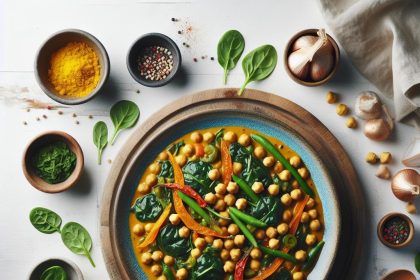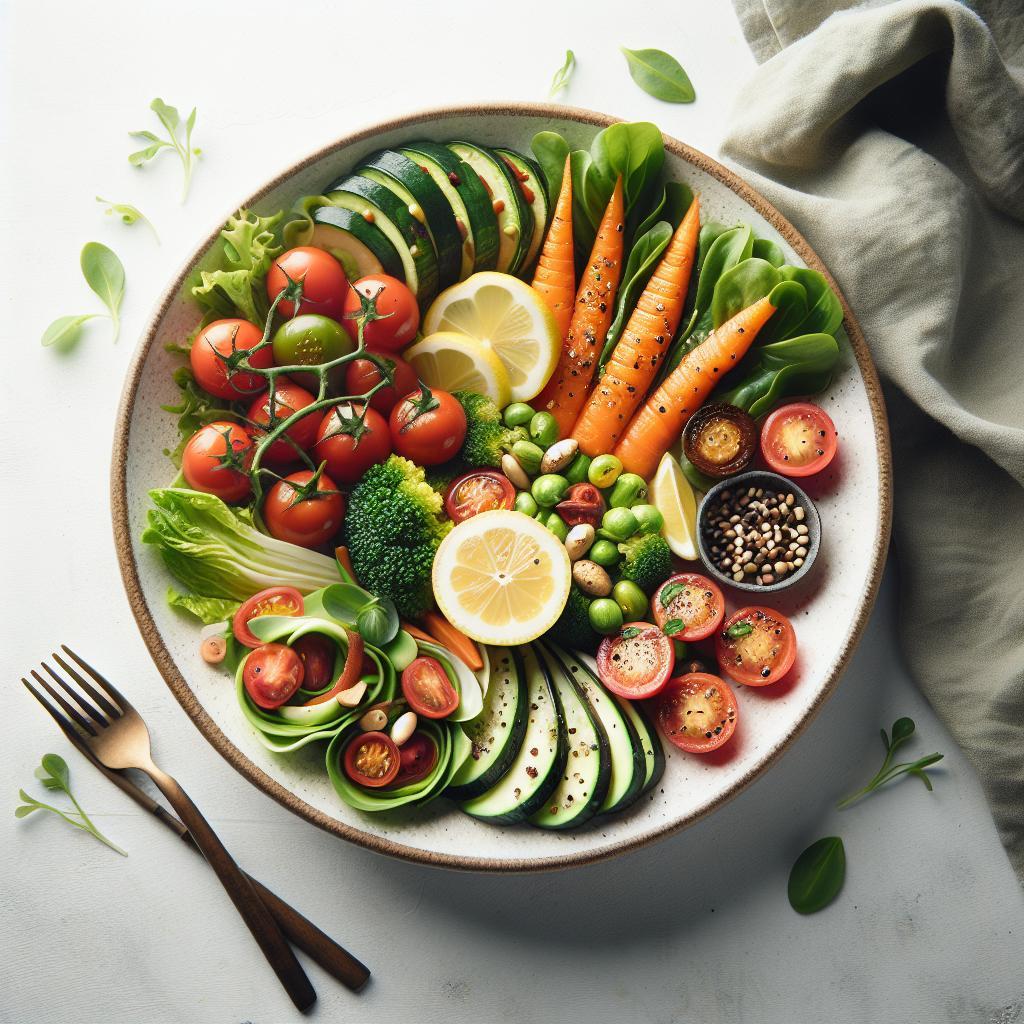

Inflammation is like your body’s own firefighter-rushing in to tackle threats, douse danger, and restore balance. But not all fires are created equal. Sometimes the blaze is sudden and fierce, burning bright but brief. Other times, it smolders quietly, lingering beneath the surface, slowly wearing down defenses over time. Understanding the difference between acute and chronic inflammation is key to unlocking the mysteries of health and illness. In this article, we’ll peel back the layers of inflammation, revealing how these two forms shape your body’s response to injury and disease, and why distinguishing between them matters more than you might think. Welcome to the fascinating world of inflammation unveiled.
Inflammation Unveiled: Acute vs. Chronic Explained Clearly Recipe
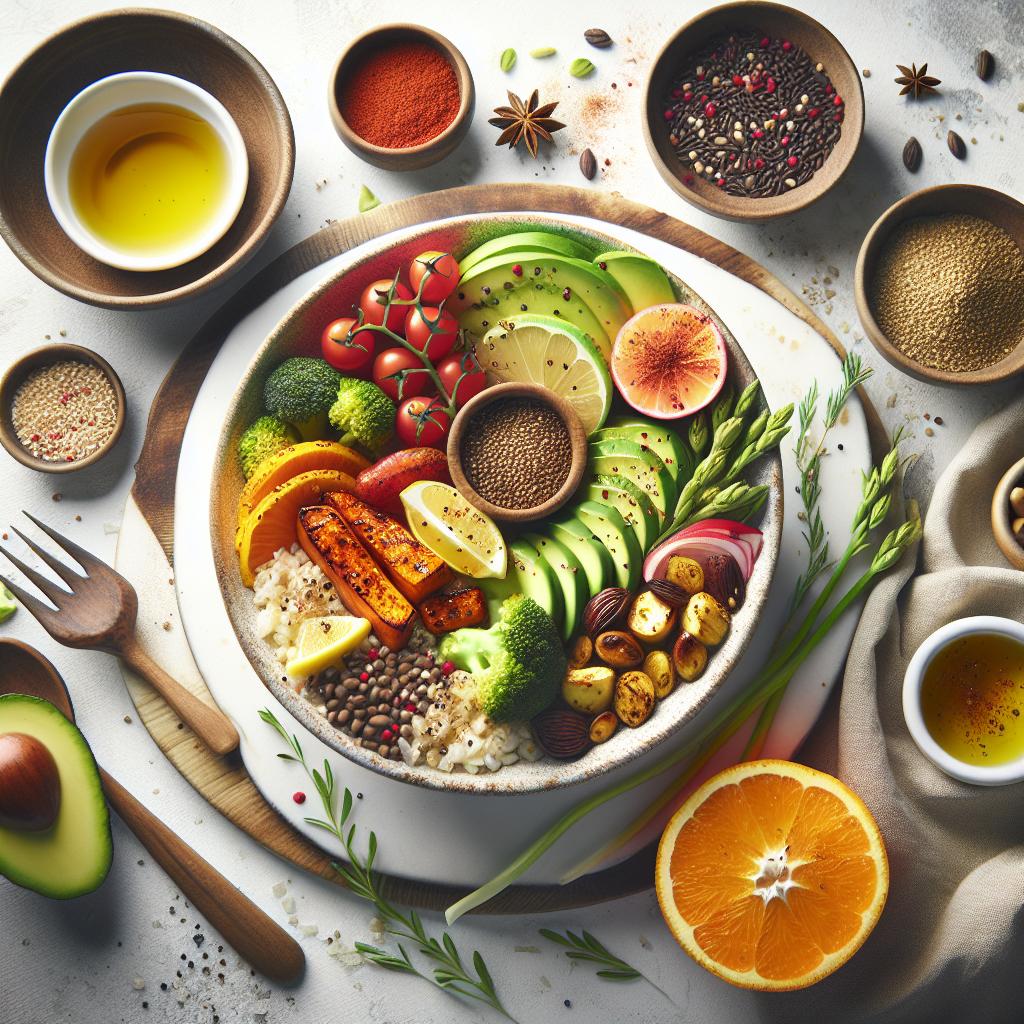
Inflammation Unveiled: Acute vs. Chronic Explained Clearly inspires this vibrant anti-inflammatory quinoa salad-a dish that celebrates the harmony between nutrition and wellbeing. Originating from my travels through the Mediterranean, where fresh, colorful ingredients naturally combat inflammation, this recipe is crafted as both a flavorful and functional meal. It pays homage to nature’s healing power, blending nutrient-dense foods that specifically target inflammation’s biological roots and help maintain a healthy balance within your body.
Prep and Cook Time
Prep Time: 15 minutes
Cook Time: 20 minutes
Total Time: 35 minutes
Yield
Serves 4 as a main course or 6 as a side dish
Difficulty Level
Easy – perfect for all skill levels
Ingredients
- 1 cup quinoa, rinsed
- 2 cups water or low-sodium vegetable broth
- 1 cup cherry tomatoes, halved
- 1 medium cucumber, diced
- ½ cup red bell pepper, finely chopped
- ⅓ cup red onion, minced
- ¼ cup fresh parsley, finely chopped
- 2 tablespoons fresh lemon juice
- 3 tablespoons extra virgin olive oil
- 1 teaspoon ground turmeric
- ½ teaspoon ground cumin
- 1 garlic clove, minced
- Salt and freshly ground black pepper, to taste
- ¼ cup toasted walnuts, chopped
- Optional: ½ avocado, cubed
Instructions
- Cook the quinoa. Combine quinoa and water (or broth) in a medium saucepan. Bring to a boil over medium-high heat, then reduce heat to low, cover, and simmer for 15 minutes or until quinoa is fluffy and water is absorbed. Remove from heat and let stand, covered, for 5 minutes. Fluff with a fork.
- Prepare the dressing. In a small bowl, whisk together lemon juice, olive oil, turmeric, cumin, minced garlic, salt, and pepper. Whisk well to fully combine the anti-inflammatory spices and tangy lemon.
- Combine vegetables. In a large mixing bowl, add cherry tomatoes, cucumber, red bell pepper, red onion, and parsley. Gently toss to distribute evenly.
- Mix quinoa with dressing. Add the cooled quinoa to the vegetables. Pour dressing over and toss gently to coat every vibrant component with flavor and nutrients.
- Add finishing touches. Fold in toasted walnuts for crunch and optional avocado cubes for creaminess and extra healthy fats.
- Chill and serve. Refrigerate the salad for at least 30 minutes before serving to allow flavors to marry beautifully.
Chef’s Notes
- Substitutions: Swap quinoa with bulgur or brown rice for variety.
- Make-ahead tip: This salad keeps well, making it convenient for meal prep. Store in an airtight container up to 3 days.
- Custom heat: Add a pinch of cayenne pepper or diced jalapeño for a kick that can further help modulate inflammation.
- Nut-free option: Replace walnuts with pumpkin seeds for crunch and anti-inflammatory benefits without nuts.
- Dressing variation: Use apple cider vinegar instead of lemon juice for a milder tang and additional gut health support.
Serving Suggestions
This dish shines when served chilled on a bed of fresh baby spinach or arugula. Garnish with lemon wedges and a sprinkle of toasted sesame seeds. Pair alongside grilled wild salmon or roasted chickpeas for a powerful anti-inflammatory meal that supports recovery & vitality.

| Nutrient | Amount per Serving |
|---|---|
| Calories | 320 |
| Protein | 9g |
| Carbohydrates | 35g |
| Fat | 14g |
| Fiber | 6g |
| Vitamin C | 35% DV |
Understanding the Focus Keyword in Context
The focus keyword Inflammation Unveiled: Acute vs. Chronic Explained Clearly is vital here not only as a concept inspiring this recipe but reflecting the nutritional principles intrinsic to combating inflammation. Foods rich in antioxidants, omega-3s, and anti-inflammatory spices-like turmeric-help modulate both acute and chronic inflammatory responses.
For further depth, check out our Anti-Inflammatory Diets Explained article. Reliable resources like NIH’s overview on inflammation and health provide foundational science supporting these nutritional strategies.
Q&A
Q&A: Inflammation Unveiled – Acute vs. Chronic Explained Clearly
Q1: What is inflammation, really?
A1: Think of inflammation as your body’s emergency response squad-called into action when you get injured or face an invader like bacteria. It’s a natural defense mechanism designed to protect and heal, rallying immune cells to the frontline.
Q2: How does acute inflammation differ from chronic inflammation?
A2: Acute inflammation is the sprint-it’s fast, intense, and short-lived. Imagine a sudden cut that gets red, warm, and swollen; that’s your body rushing to fix the damage. Chronic inflammation, on the other hand, is the marathon runner-slow, persistent, and sometimes stealthy. It lingers in the background, often triggered by long-term irritants or immune system glitches, quietly wearing down tissues over months or years.
Q3: What are the signs of acute inflammation?
A3: Classic signs include redness, heat, swelling, pain, and sometimes loss of function. These signals mark the battleground where your immune cells fight off pathogens and start repair.
Q4: Can chronic inflammation be harmful?
A4: Yes! While acute inflammation heals, chronic inflammation can backfire. It’s linked to diseases like diabetes, arthritis, heart disease, and even certain cancers. When the immune system keeps firing on all cylinders unnecessarily, it can damage healthy tissues.
Q5: What causes chronic inflammation?
A5: Factors include persistent infections, long-term exposure to irritants (like pollution or smoke), autoimmune disorders where the body mistakenly attacks itself, and lifestyle choices such as poor diet, stress, and inactivity.
Q6: How can we manage or reduce chronic inflammation?
A6: The good news: lifestyle changes pack a powerful punch. Eating anti-inflammatory foods (think leafy greens, berries, fatty fish), exercising regularly, managing stress, and avoiding smoking can help. In some cases, doctors might prescribe medications or recommend therapies to keep inflammation in check.
Q7: When should someone seek medical help for inflammation?
A7: If inflammation is severe, persistent, or accompanied by symptoms like unexplained fatigue, fever, or joint pain lasting more than a few days, it’s time to see a healthcare professional. Early diagnosis can prevent chronic inflammation from turning into a serious condition.
Q8: Can inflammation be measured or seen?
A8: Yes, doctors use blood tests to detect markers like C-reactive protein (CRP) or erythrocyte sedimentation rate (ESR) to gauge inflammation levels. Imaging tests can also reveal swelling or tissue damage in affected areas.
Q9: Is all inflammation bad?
A9: Absolutely not! Acute inflammation is essential for healing and defense. Without it, even minor injuries or infections could spiral out of control. The problem arises when inflammation sticks around too long or occurs inappropriately.
Q10: What’s the takeaway message about inflammation?
A10: Inflammation is a double-edged sword-your body’s protector but also a potential troublemaker if unchecked. Understanding the difference between acute and chronic inflammation empowers you to recognize when your body is healing and when it might need a helping hand to restore balance.
Closing Remarks
As we peel back the layers of inflammation, what emerges is a story of balance-a natural defender that can sometimes turn into a silent saboteur. Acute inflammation, the body’s swift response to injury, is a powerful ally, marshaling forces to heal and protect. Chronic inflammation, however, lingers like an uninvited guest, quietly reshaping our health in ways both subtle and profound. By understanding these twin faces of inflammation, we empower ourselves to recognize the signals, seek timely interventions, and foster a wellness that thrives long after the initial spark has faded. Inflammation unveiled is not just a biological process-it’s a vital conversation between our body and the world, one worth listening to closely.