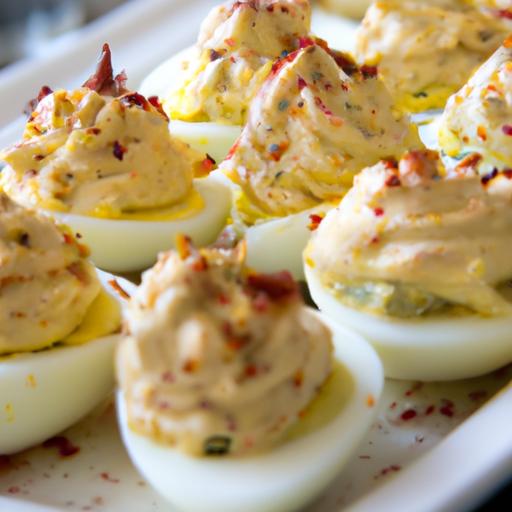

When your stomach calls for gentle, yet delicious nourishment, the challenge to find snacks that satisfy without triggering discomfort can feel daunting. Enter the humble deviled egg-transformed into a low FODMAP delight that’s as kind to sensitive digestive systems as it is to your taste buds. In this article, we’ll explore how these classic, creamy bites can be reinvented with thoughtful ingredient swaps and clever culinary tweaks, proving that tummy-friendly treats don’t have to be boring. Whether you’re managing IBS or simply seeking digestive harmony, discover how low FODMAP deviled eggs bring flavor, fun, and comfort together in every bite.
Understanding the Low FODMAP Diet and Its Benefits for Digestive Health
Low FODMAP Deviled Eggs offer a delightful way to enjoy a classic appetizer while adhering to a diet that is gentle on sensitive stomachs. Originating from Monash University’s research on fermentable carbohydrates, the low FODMAP diet is designed to alleviate symptoms of irritable bowel syndrome (IBS) and other digestive disorders by limiting specific short-chain carbs that can cause bloating, gas, and discomfort. This diet empowers many to savor flavorful foods without sacrificing digestive tranquility. With deviled eggs as a base, this recipe transforms a timeless treat into a gut-friendly gem, blending creamy textures and vibrant flavors that satisfy both cravings and health goals.
Prep and Cook Time
- Preparation: 15 minutes
- Cooking: 10 minutes
- Total Time: 25 minutes
Yield
- 12 deviled egg halves (6 whole eggs)
Difficulty Level
- Easy – perfect for beginner cooks and those looking for quick yet impressive bites
Ingredients
- 6 large eggs, hard-boiled and peeled
- 3 tablespoons lactose-free mayonnaise
- 1 teaspoon Dijon mustard
- 1 teaspoon garlic-infused olive oil (low FODMAP, use oil only, no bits)
- 1 tablespoon fresh chives, finely chopped
- 1 teaspoon apple cider vinegar
- 1/4 teaspoon smoked paprika, plus extra for garnish
- Salt and freshly ground black pepper, to taste
Instructions
- Prepare the eggs: Place the large eggs in a single layer in a saucepan and cover with cold water by about an inch. Bring to a boil over medium-high heat. Once boiling, remove from heat and cover with a lid. Let rest for 10 minutes to ensure perfect hard-boiled yolks.
- Cool and peel: Drain the hot water and fill the pot with cold water and ice cubes to chill the eggs quickly. Peel the eggs carefully to avoid tearing the whites, then slice each egg in half lengthwise.
- Scoop the yolks: Gently remove the yolks using a spoon and place them into a medium bowl. Arrange the egg whites on a serving platter.
- Blend the filling: Mash the yolks with a fork until smooth. Add lactose-free mayonnaise, Dijon mustard, garlic-infused olive oil, apple cider vinegar, and chopped chives. Stir until creamy and well combined. Season with salt, pepper, and smoked paprika-adjust seasoning to taste.
- Fill the egg whites: Using a teaspoon or piping bag, evenly spoon the yolk mixture back into the hollowed whites, creating neat, inviting mounds.
- Garnish and chill: Sprinkle a pinch of smoked paprika over each deviled egg for a pop of color and subtle smoky flavor. Refrigerate for at least 30 minutes to let flavors meld and serving texture firm up.
- Serve: Present on a beautiful platter garnished with extra chives or parsley for fresh, green contrast.
Tips for Success and Customizing Your Low FODMAP Deviled Eggs
- Make it creamy and smooth: For a silkier filling, add a teaspoon of lactose-free Greek yogurt or a splash of low FODMAP vegetable broth if the mixture feels too dense.
- Choose your infused oil wisely: Garlic-infused olive oil adds depth without FODMAPs, but avoid fresh garlic or onion bits to maintain gut-friendliness.
- Spice it up: Add a dash of cayenne pepper or smoked chipotle powder for smoky heat, or swap paprika for turmeric for an earthy twist.
- Herb variations: Try dill, tarragon, or basil for fresh flavor alternatives that still align with low FODMAP guidelines.
- Make ahead: Prepare the filling and eggs separately up to a day ahead. Assemble just before serving to keep whites firm and filling fresh.
Serving Suggestions
Serve your Low FODMAP Deviled Eggs chilled on a rustic wooden board or elegant ceramic dish. These bites pair beautifully with crisp cucumber slices, cherry tomatoes, or a vibrant mixed greens salad lightly dressed with lemon and olive oil. To elevate presentation, sprinkle microgreens or edible flowers atop each deviled egg half. For beverage pairing, a dry white wine or herbal iced tea complements the creamy, tangy flavors perfectly.
| Nutrient | Per Serving (2 halves) |
|---|---|
| Calories | 110 kcal |
| Protein | 6 g |
| Carbohydrates | 1 g |
| Fat | 9 g |
Discover even more gut-friendly recipes and tips by checking out our Low FODMAP Snacks Collection and learn more about the science behind the diet at Monash University’s Low FODMAP Program.

Q&A
Q&A: Low FODMAP Deviled Eggs – Tasty Bites for Sensitive Stomachs
Q1: What makes deviled eggs a good snack choice for people with sensitive stomachs?
A1: Deviled eggs are naturally low in FODMAPs, which are fermentable carbs that can trigger digestive discomfort. They’re protein-packed, easy to digest, and when prepared mindfully, they avoid common high-FODMAP ingredients like onions or garlic that typically upset sensitive stomachs.
Q2: Can traditional deviled egg recipes be made low FODMAP?
A2: Absolutely! The main tweak is swapping out garlic and onion powders or high-FODMAP mayo for their low-FODMAP alternatives. Using herbs, lemon juice, and a hint of Dijon mustard can add robust flavor without the tummy troubles.
Q3: What ingredients should I avoid in deviled eggs if I’m following a low FODMAP diet?
A3: Steer clear of onion and garlic (both fresh and powdered), as well as high-FODMAP mayonnaise or creamy dressings with hidden sugars or lactose. Instead, focus on simple seasonings like chives, paprika, salt, pepper, and a splash of vinegar or mustard.
Q4: How do low FODMAP deviled eggs help with digestion?
A4: By eliminating fermentable carbs that often ferment in the gut causing gas, bloating, and discomfort, these eggs provide protein and healthy fats that are gentle on sensitive digestive systems. This means you can enjoy a flavorful snack without fearing digestive consequences.
Q5: Are low FODMAP deviled eggs versatile for different diets?
A5: Yes! They are naturally gluten-free, keto-friendly, and high in protein. Plus, you can customize the filling with different herbs and spices or even add small amounts of low FODMAP veggies like finely chopped bell peppers or cucumber for an extra crunch.
Q6: Any tips for making the perfect low FODMAP deviled eggs?
A6: Start with perfectly hard-boiled eggs (about 9-12 minutes). Use a fork or whisk to create a smooth yolk filling. Add flavors gradually, tasting as you go, to find the perfect balance without overpowering your sensitive stomach. Chill before serving to let the flavors meld beautifully.
Q7: Can I prepare these deviled eggs in advance?
A7: Definitely! Low FODMAP deviled eggs keep well in the fridge for up to 2 days. Just cover them tightly with plastic wrap or store them in an airtight container to preserve freshness and flavor.
Q8: Where can I find more low FODMAP recipes like deviled eggs?
A8: Many low FODMAP cookbooks and websites now focus on delicious, tummy-friendly meals. Look for recipes that highlight whole foods and simple swaps to keep your gut happy. Join online low FODMAP communities for inspiration and shared tips!
In Retrospect
In the realm of digestive-friendly delights, Low FODMAP Deviled Eggs stand out as a perfect marriage of flavor and sensitivity. These tasty bites offer a satisfying solution for those navigating dietary restrictions without sacrificing enjoyment. Whether you’re hosting a gathering or simply craving a wholesome snack, these deviled eggs prove that managing a sensitive stomach doesn’t mean compromising on taste. So next time you seek a flavorful, gut-friendly treat, reach for these little gems-because mindful eating can be deliciously simple.